





French Chateau Columns
French chateau columns bring monumental architectural presence into a room, offering grand proportions and distressed patinas that anchor a sophisticated interior scheme.
French Chateau Columns
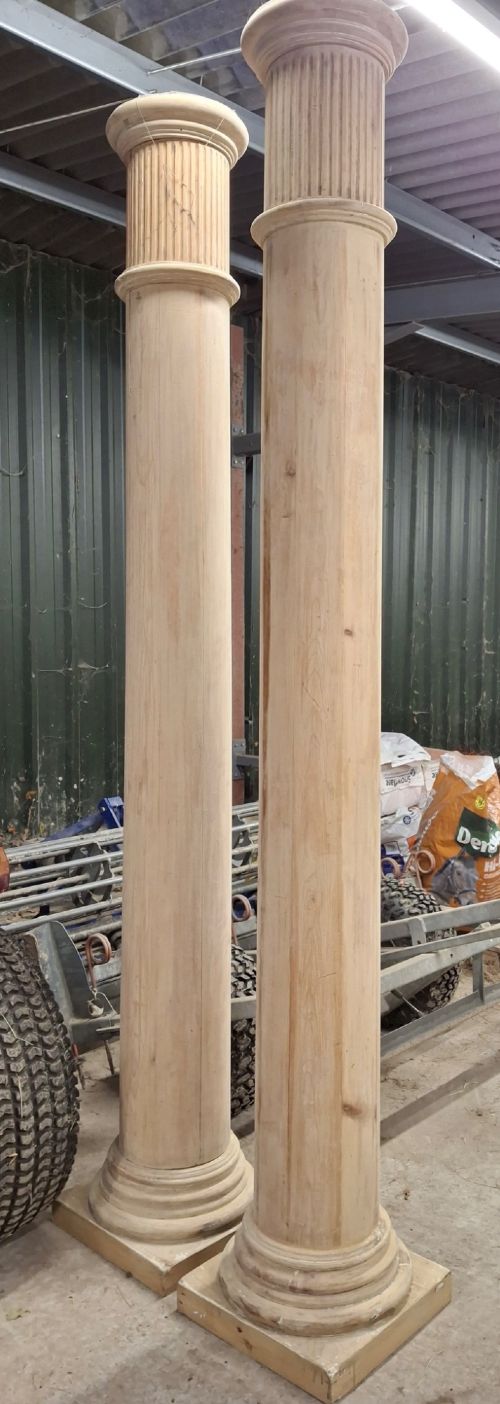
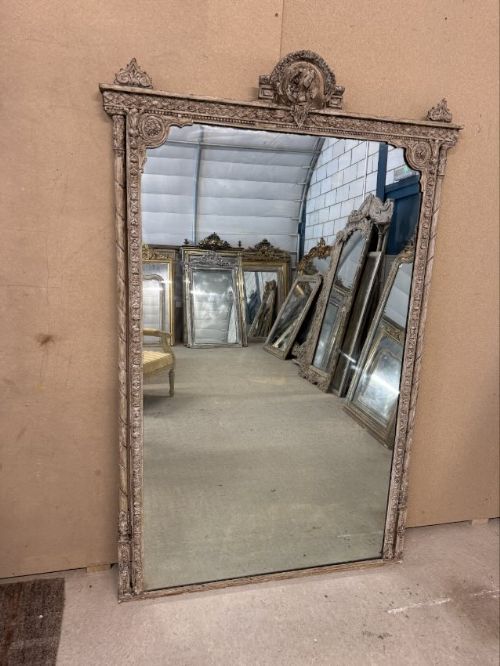
When buyers search for French chateau columns, they are seeking architectural supports, pedestals, and column-framed mirrors that evoke the stately grandeur of historic European houses. The selection here spans the nineteenth century through the early twentieth century, encompassing Neoclassical, French Empire, and French Rococo Revival styles.
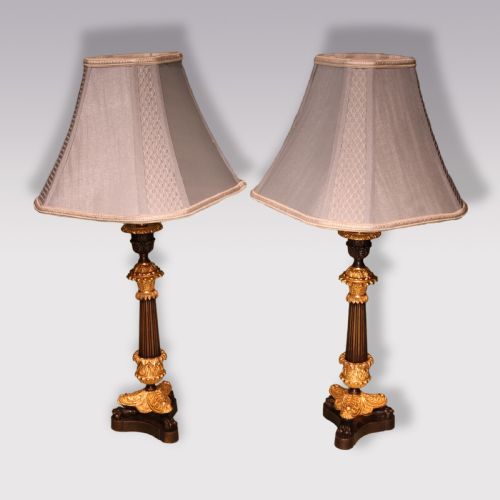
The versions most frequently encountered on this page include carved wood and gesso painted column-framed mirrors, decorative plaster pedestals, and rotating marble stands mounted in gilt bronze. These pieces range from substantial pairs of nineteenth-century columns to smaller plant stands, jardiniere tables, and table lamps.
The origins reflect classical French design motifs, often utilising caryatids, chiseled brass, and painted pine surfaces to create decorative focal points. Whether utilised as display plinths or wall mirrors, these items combine structural utility with ornamental presence.
Materials and Construction
Carpenters and artisans shaped these pieces primarily from wood, including pine, applying layers of gesso and paint to achieve textured, aged surfaces. Gilt bronze and brass mounts provide metallic contrast and structural detailing on stands and mirrors.
Joinery and surface decoration rely on traditional nineteenth-century workshop methods, where carved wooden elements meet cast metal components and hand-applied painted finishes. The combination of painted wood, polished marble, and patinated brass defines the physical substance of these works.
French Chateau Columns Retail Price Guide 2026
Typical asking prices for french chateau columns among the pieces listed under this phrase on Sellingantiques today, from the lower quarter to the upper quarter. They describe what is for sale here now, not the wider market.
Listings feature items spanning the nineteenth century through the 1930s, constructed from wood, paint, gesso, brass, marble, glass, plaster, and pine.
Assessing Quality and Execution
The distinction between ordinary and exceptional pieces lies in the crispness of the carving and the depth of the surface finish. Hand-carved wood and detailed gesso work demonstrate superior artisan involvement compared to simpler moulded plaster.
Materials dictate much of the inherent grade, with heavy marble tops, rotating bronze mounts, and cast brass elements representing more ambitious manufacturing. The preservation of original painted surfaces and patinated gilt bronze also elevates the stature of a piece.
Proportion and architectural balance separate standard decorative items from truly commanding examples. Pieces that maintain robust structural integrity while showing honest age in their paint and gesso command greater visual authority.
The French Chateau Columns Glossary
- Gesso
- A plaster-like mixture applied to wood surfaces as a base for paint or gilding. It allows for smooth finishing and intricate relief decoration.
- Caryatid
- A sculpted female figure serving as an architectural support taking the place of a column or pier. They appear frequently on classical pedestals and mirror frames.
- Ormolu
- Finely chopped and dismally amalgamated gold-bronze application used for decorative mounts on furniture and stands. It provides a rich metallic lustre.
- Jardiniere
- An ornamental pot or stand for plants and flowers. These often feature brass or bronze construction to withstand moisture.
- Neoclassical
- A style inspired by the classical architecture and art of ancient Greece and Rome. It emphasises symmetry, straight lines, and classical motifs.
French Chateau Columns: Frequently Asked Questions
How were French chateau columns used?
These pieces served both structural and purely decorative functions in grand interiors, acting as load-bearing architectural elements or ornamental display plinths. Pedestals elevated statues, urns, and vases to command attention within a room.
Column-framed mirrors similarly created the illusion of deep architectural space while reflecting light across the salon. Today, they remain versatile accents for displaying sculpture or framing interior walls.
How do I style a pedestal in a modern room?
A antique pedestal works best when left to stand alone as a sculptural focal point in an entryway or corner. Placing a contemporary bronze or ceramic vessel on top creates a striking dialogue between old and new.
Ensure the surrounding floor space is clear so the architectural lines of the wood or plaster can be fully appreciated without visual clutter.
How do I distinguish Neoclassical from Rococo Revival columns?
Neoclassical pieces rely on straight lines, symmetry, and restrained classical motifs drawn from ancient architectural orders. They present a clean, balanced geometry.
Rococo Revival items embrace asymmetry, flowing curves, and exuberant naturalistic motifs like C-scrolls and foliage. Examining the carving style quickly reveals which design vocabulary the maker followed.
Are these pieces suitable for outdoor use?
Most items listed are constructed from interior materials like pine, gesso, plaster, and polished marble which cannot withstand weathering. Exposure to moisture and temperature fluctuations will damage the delicate gesso and painted wood surfaces.
They are strictly intended for protected indoor environments where humidity remains stable.