


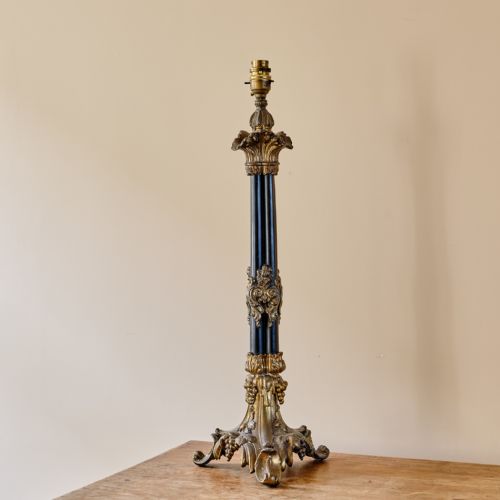
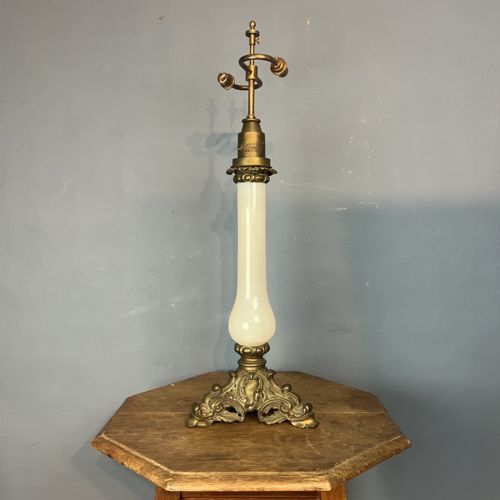
Antique Gilt Columns
These antique gilt columns bring classical architectural presence and shining metallic surface into a room.
Antique Gilt Columns
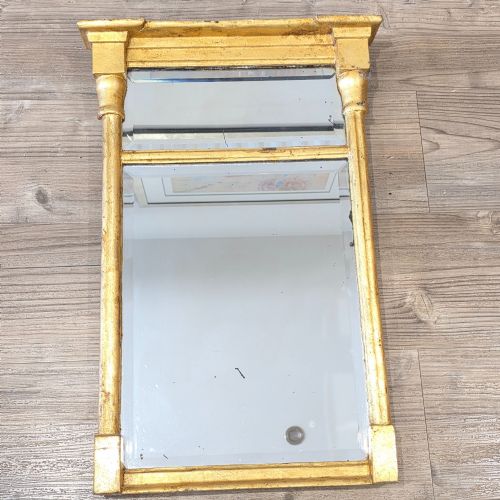
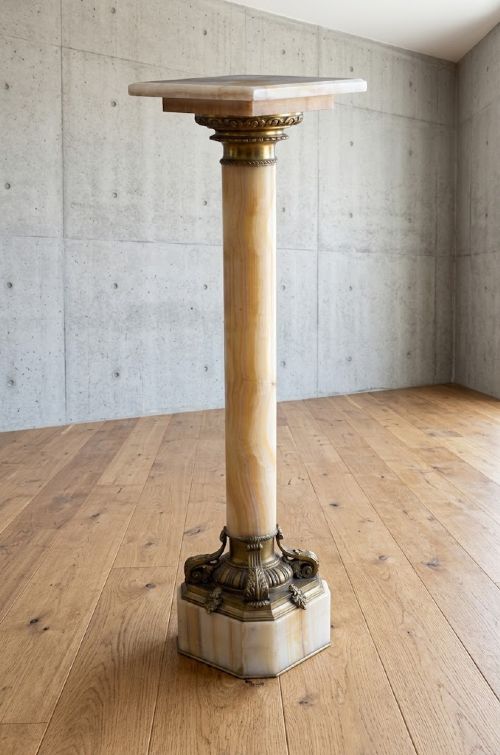
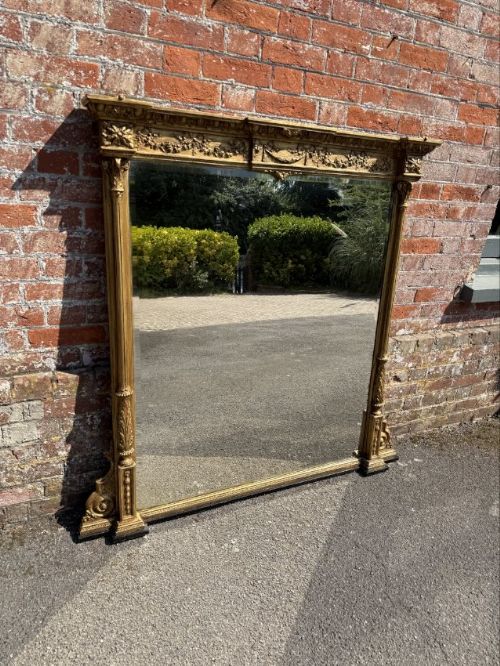
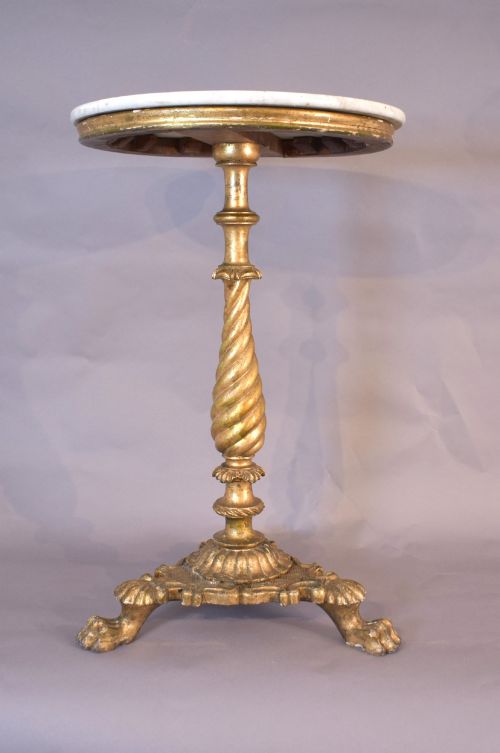
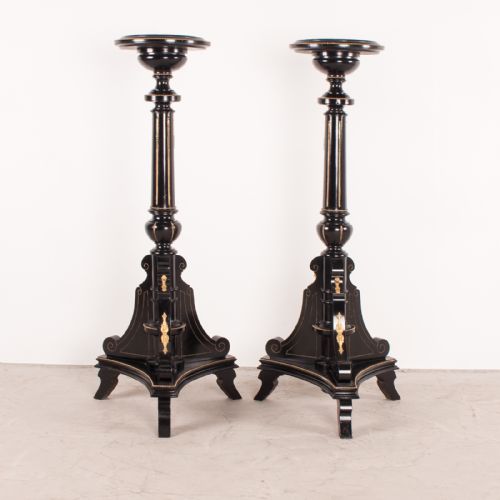
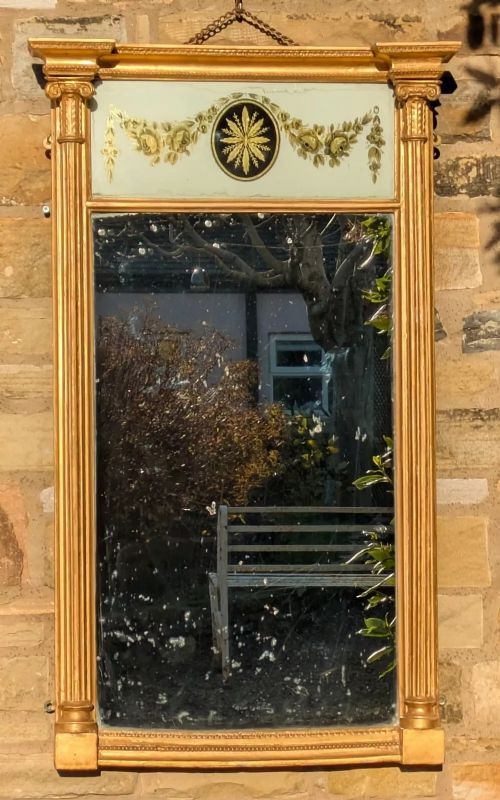
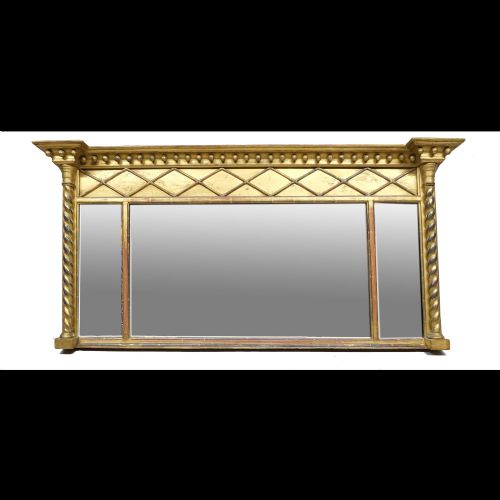
When searching for antique gilt columns, a buyer encounters architectural supports, pedestals, and decorative mirror frames shaped by classical ideals. These objects range from freestanding marble and onyx columns with ormolu collars to carved wood pier mirrors framed by fluted or ribbed shafts.
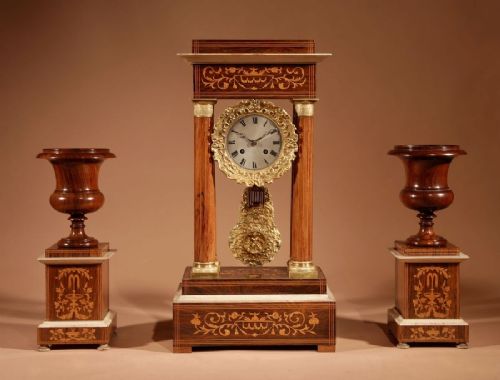
The versions most frequently met on this page date from the nineteenth century, reflecting Regency, Victorian, and French Empire tastes. Makers adapted classical orders into domestic furnishings such as torcheres, portico clock garnitures, and lamp bases.
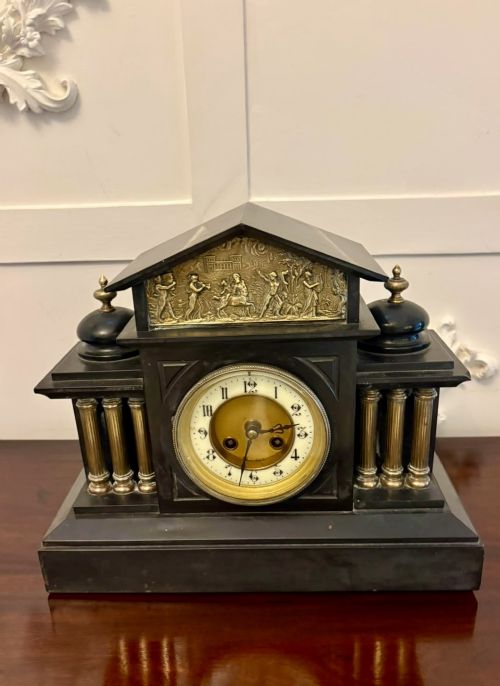
Many examples integrate metallic gilding with contrasting materials like ebonised wood or black marble to create vertical emphasis in a Victorian or Regency interior. Whether standing alone as display pedestals or supporting mirror plates, they function as focal points of structural ornamentation.
How they were made
Craftsmen built these pieces using timber, cast brass, and carved gesso before applying thin layers of gold leaf or gilt bronze. Giltwood and carved wood frames relied on skilled hand-carving to achieve crisp acanthus leaves, reeded columns, and classical motifs.
Stonemasons and metalworkers combined materials such as white or black marble, onyx, and opaline glass with ormolu mounts and cast feet. Portico clocks and table lamps incorporated turned columns of faux lapis lazuli or birds eye maple secured with brass collars.
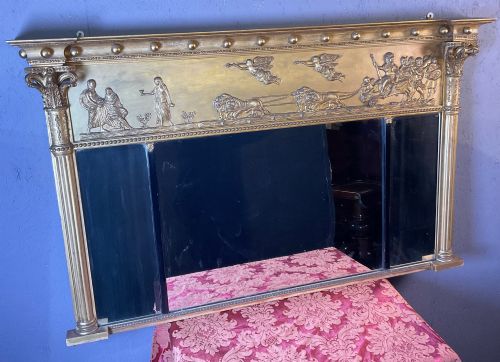
Gilding techniques involved laying gold leaf over prepared gesso grounds on wood, or casting bronze elements which were subsequently mercury-gilded. Glass panels such as verre eglomise and mirror plates were integrated into frames alongside architectural pilasters.
Materials span giltwood, ormolu, marble, onyx, and ebonised wood across mirrors, clocks, and pedestals.
What varies in quality
The calibre of an antique gilt column rests upon the crispness of its surface carving and the weight of its metal mounts. Hand-chased ormolu and deeply carved gesso over timber reveal an artisan's dedication compared to pressed metal or shallow surface moulding.
Material selection divides the standard range from the exceptional, particularly in the density of the marble, the figuration of the onyx, or the clarity of the verre eglomise panels. Substantial timber foundations and genuine fire gilding maintain their visual depth over generations.
The Antique Gilt Columns Glossary
- Ormolu
- Gilded bronze used for decorative mounts and furniture highlights. This technique involved applying an amalgam of gold and mercury to bronze before heating.
- Gesso
- A plaster mixture applied to wood surfaces as a base for carving and gilding. It allowed artisans to create sharp relief ornamentation before applying gold leaf.
- Pier Mirror
- A tall glass designed to hang on the wall between windows, frequently featuring architectural columns or pilasters. These mirrors amplified natural light in nineteenth-century drawing rooms.
- Verre Eglomise
- A cold decoration technique where designs are gilded or painted on the reverse of glass panels. It appeared frequently in the upper sections of Regency pier glasses.
- Portico Clock
- A mantel clock styled after classical temple architecture with supporting pillars framing the pendulum. They emerged during the French Empire and Charles X periods in marble and wood.
Antique Gilt Columns: Frequently Asked Questions
Where should I place a gilt column pedestal?
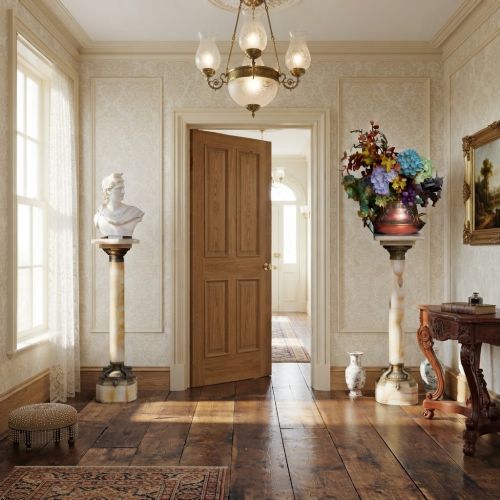
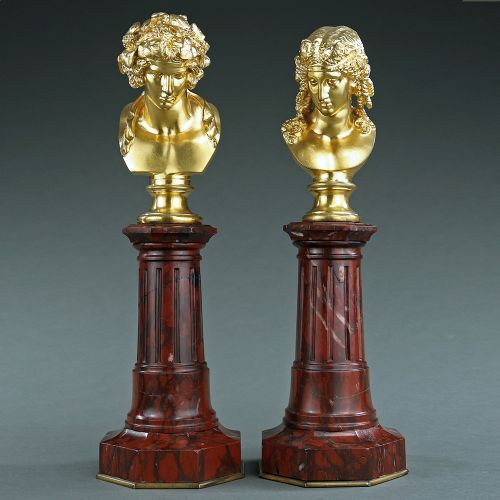
These supports suit corners or blank wall spaces where their vertical form draws the eye upward. Placing a bronze bust, vase, or lamp on top completes the traditional display arrangement.
Ensure the floor surface is level because marble and onyx columns carry substantial weight. They perform well in entrance halls or reception rooms styled with classical or neoclassical furnishings.
How do I identify Regency gilt mirrors?
Regency mirrors frequently incorporate ebonised details, convex glass plates, and classical architectural elements such as reeded columns or gilt balls. The frames display crisp carved wood and gesso ornamentation reflecting ancient Greek and Roman motifs.
Inspect the construction methods at the back of the frame to understand the period. Timber selection and original gilding patination offer clear clues to nineteenth-century manufacture.
What is a portico clock?
A portico clock is a mantel timepiece structured like a classical building with twin supporting columns framing the central pendulum. Originating in France during the late eighteenth and early nineteenth centuries, they utilised marble, wood, and ormolu.
These timepieces often formed part of a garniture set flanked by matching candelabra or urns. Their architectural silhouette complements heavy Victorian mantelpieces and sideboards.
How do I care for antique gilding?
Antique gilding requires gentle dusting with a soft, dry brush to prevent the delicate gold leaf from abrading. Avoid chemical cleaners, water, and modern polishes which can strip the underlying gesso.
Keep these pieces away from direct sunlight and fluctuating heat sources to protect the wood and prevent the gesso from cracking. Professional conservation is advised if the surface shows signs of flaking.