


Carved Display Columns
These carved display columns elevate sculpture and pottery with classical dignity, turning a simple corner into a formal stage.
Carved Display Columns
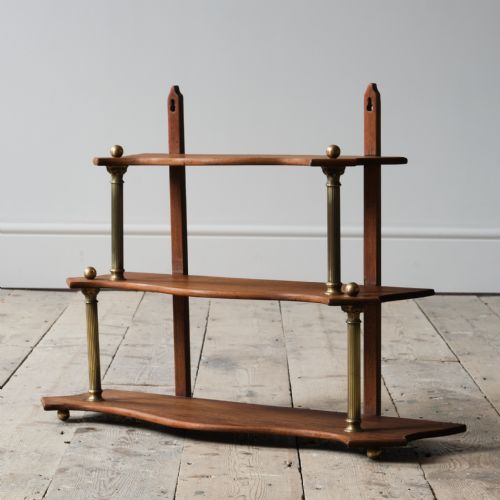
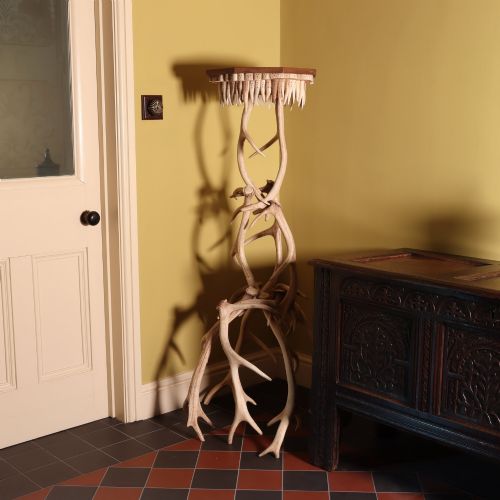
When you search for carved display columns, you are looking at architectural supports and elevated stages designed to showcase sculpture, urns, and plants. These pieces range from towering marble shafts to compact wooden stands intended to lift decorative objects into the line of sight.
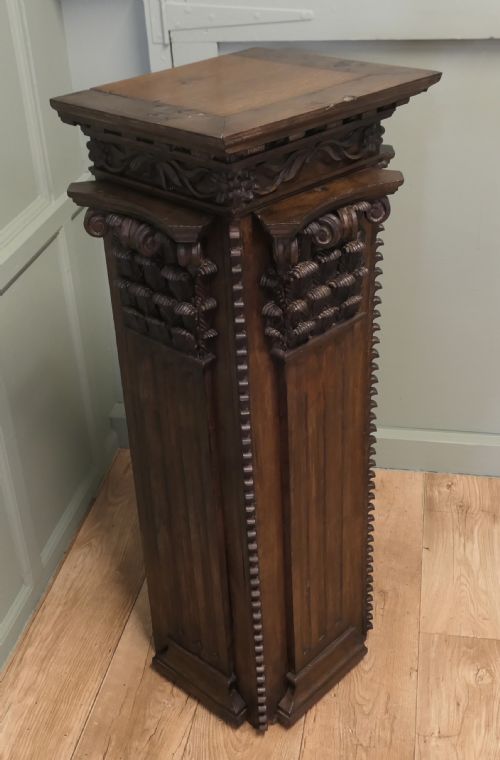
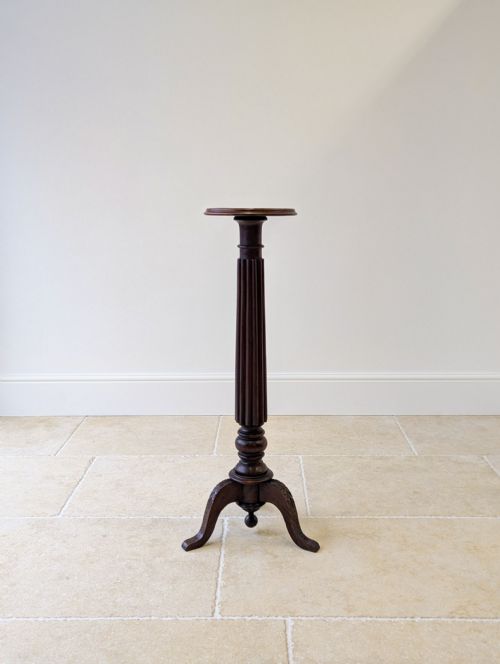
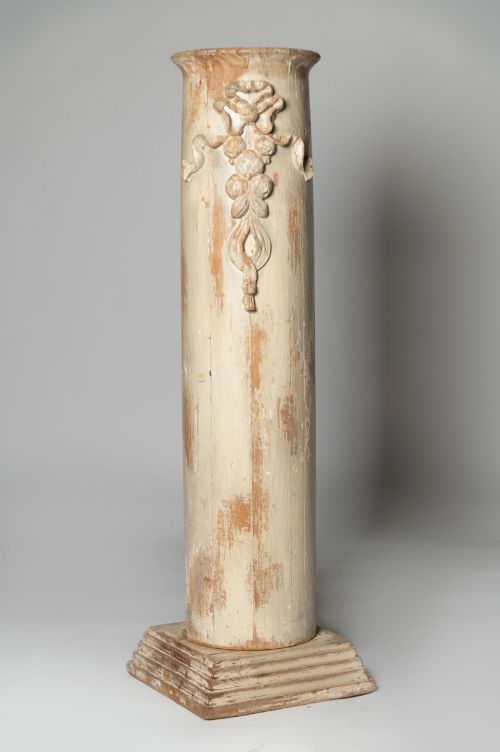
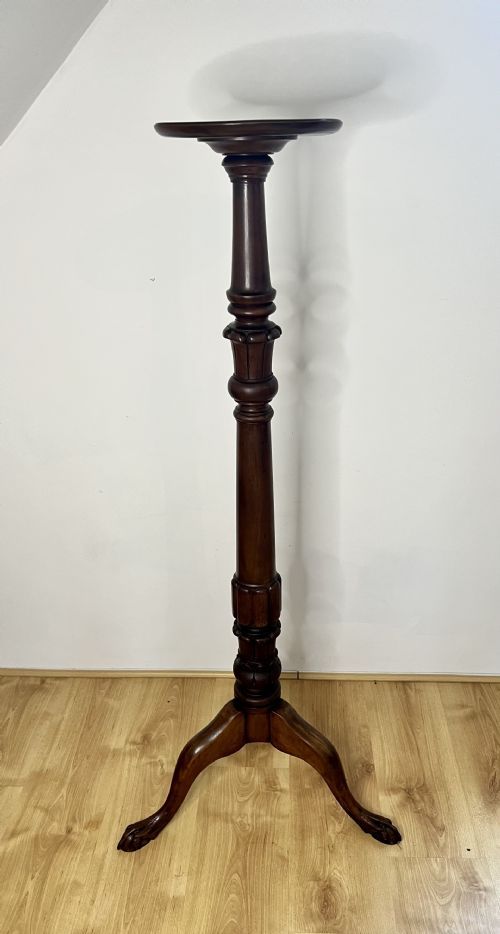
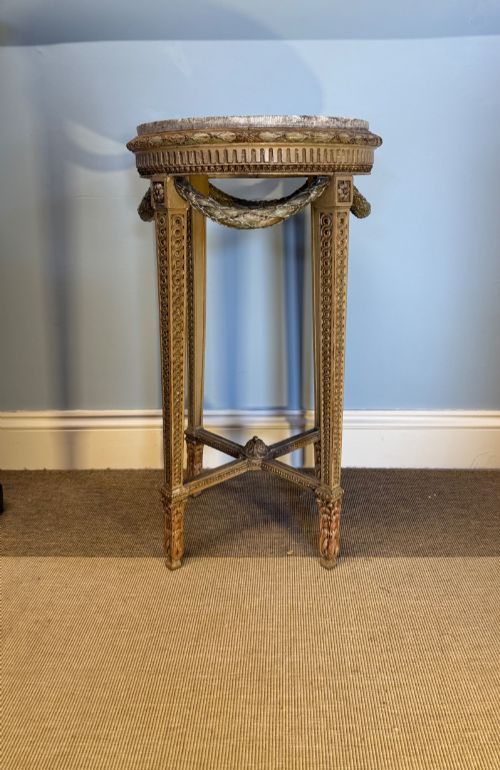
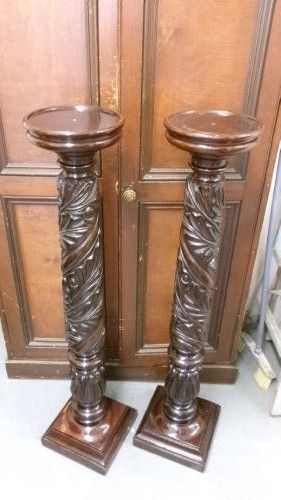
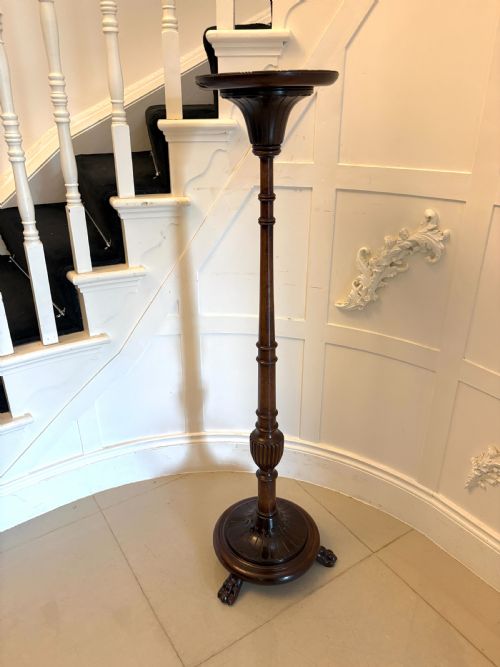
The versions you are most likely to meet on this page take the form of tall pedestals, torcheres, and plant stands rooted in nineteenth-century craftsmanship. Examples stretch back into the eighteenth century and forward into the early twentieth century, appearing in mahogany, oak, walnut, and variegated stone.
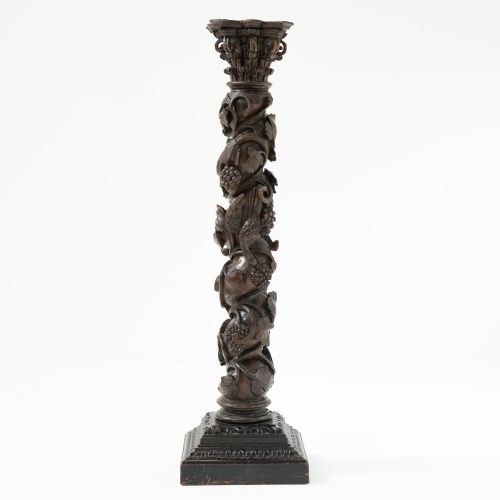
Originating largely from English and continental workshops, these supports reflect stylistic revivals spanning the neoclassical, baroque, and Victorian eras. Whether rendered as a solomonic spiral in oak or a sleek marble column with brass detailing, each piece serves to frame three-dimensional art.
Judgement of Quality
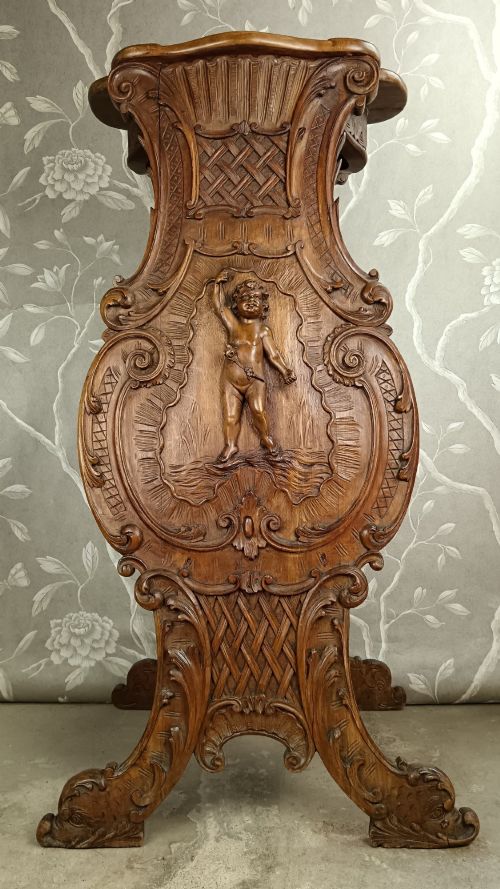
The distinction between ordinary and exceptional standards lies in the depth and sharpness of the carving. Superior examples exhibit crisply articulated detail in the foliage or figures, where every edge remains clean and deliberate rather than softened by excessive sanding or subsequent wear.
Selection of materials dictates the upper tier of these pieces, particularly in the figuring of the mahogany or walnut veneers and the harmonious veining of the marble tops. Stability, proportion, and the seamless integration of secondary timbers further separate standard utility pieces from exhibition-grade works.
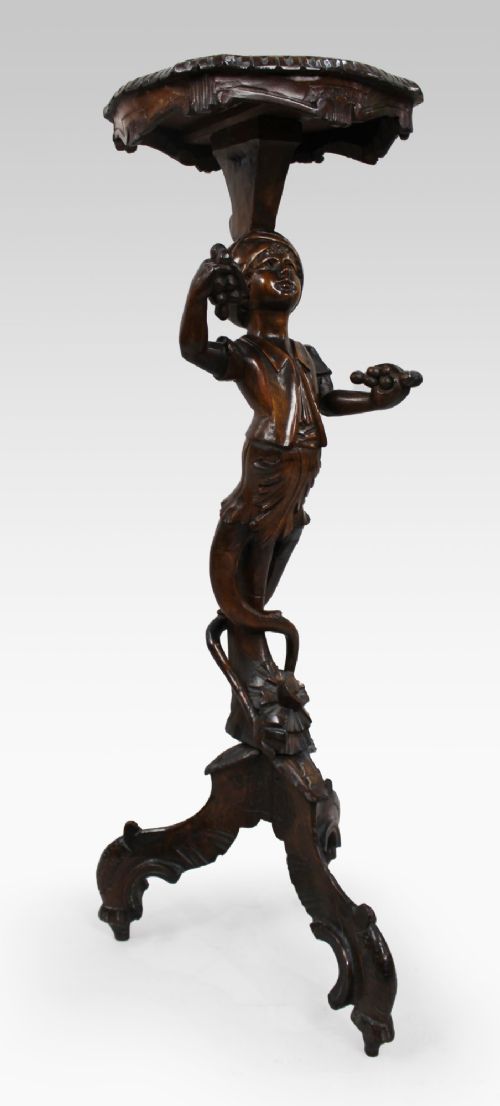
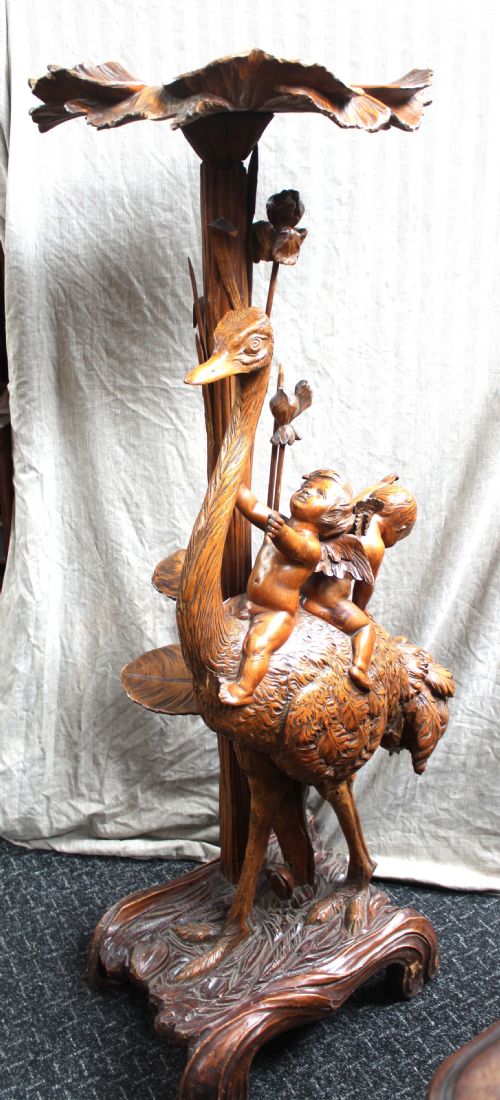
Several pieces feature crouching figures and Blackamoor designs, reflecting the theatrical domestic tastes of the late Victorian era.
The Carved Display Columns Glossary
- Torchere
- A tall, slender stand designed specifically to support a lamp, urn, or decorative figure. These pieces are frequently found in matched pairs to flank doorways or fireplaces.
- Solomonic
- A column characterised by a helical twist along its shaft, creating a dynamic spiralling effect. This form gained popularity during the baroque revival and brings notable movement to a static corner.
- Caryatid
- A sculpted female figure serving as an architectural support in place of a traditional column. These carved figures often lend a dramatic mythological presence to pedestals.
- Verde Antico
- A dark green serpentine marble heavily prized for classical columns and architectural details. Its distinctive mottled green and white veining creates a rich surface pattern.
Carved Display Columns: Frequently Asked Questions
What is the difference between a torchere and a pedestal?
A torchere is traditionally a slender stand intended to elevate a light source, plant, or bust, featuring a light and graceful silhouette. A pedestal is typically more robust and square-shouldered, engineered to bear heavy marble or bronze sculptural works.
While both terms overlap in nineteenth-century catalogues, torcheres lean towards decorative display, whereas pedestals function as architectural platforms.
How do I choose the right height for a display column?
The ideal height depends entirely on the scale of the object you intend to place upon it and the ceiling height of your room. Taller shafts work best for smaller bronzes or trailing plants that benefit from cascading downwards.
Shorter columns are better suited for large busts or heavy urns that require eye-level viewing without dominating the vertical space.
Can these columns support heavy marble sculptures?
Hardwood and stone variants constructed with wide triform or stepped bases possess immense structural strength. Solid oak, mahogany, and genuine marble shafts are fully capable of bearing substantial weight.
It is nevertheless wise to inspect the joinery at the base and top plate to ensure the internal core remains stable and secure.
How do I identify the period of a carved column?
Dating relies heavily on the prevailing stylistic revival and the choice of secondary timbers visible beneath the surface. Pieces featuring bold acanthus carving and heavy proportions often align with Victorian tastes, while cleaner lines point towards neoclassical or Regency influences.
Tool marks, timber species, and the type of marble used also offer reliable clues to the decade of manufacture.