

Antique Oak Pedestal
An antique oak pedestal brings solid timber furniture into daily use, offering substantial surface space and enduring utility.
Antique Oak Pedestal
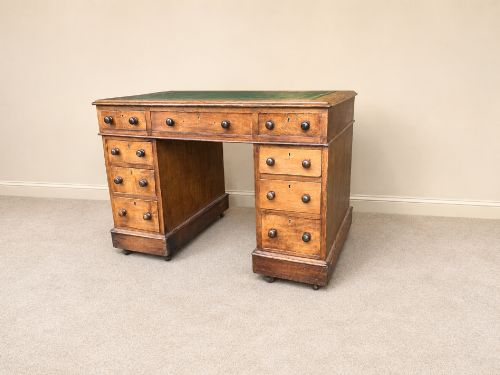
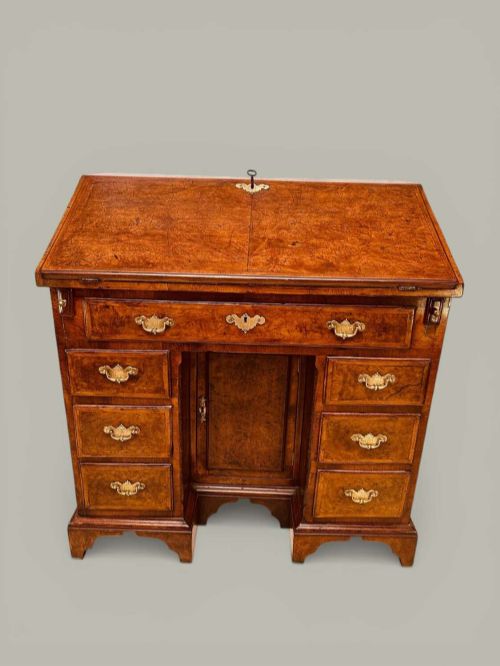
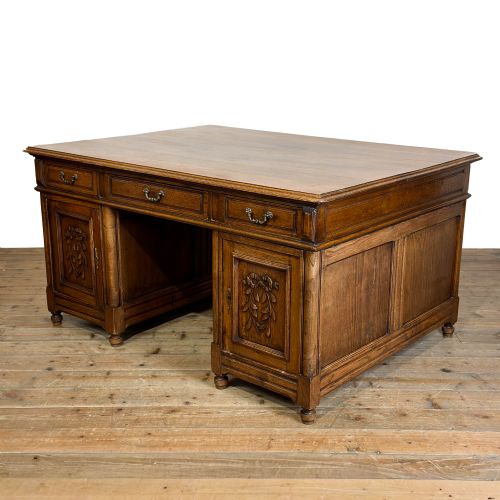
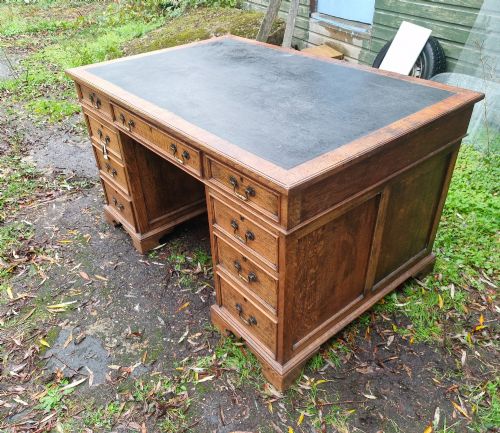
An antique oak pedestal encompasses various forms built from solid timber across multiple centuries, ranging from functional office furniture to decorative display columns. Desks dominate the selection, appearing as single or twin pedestal configurations with multiple drawers and occasional leather writing inserts.
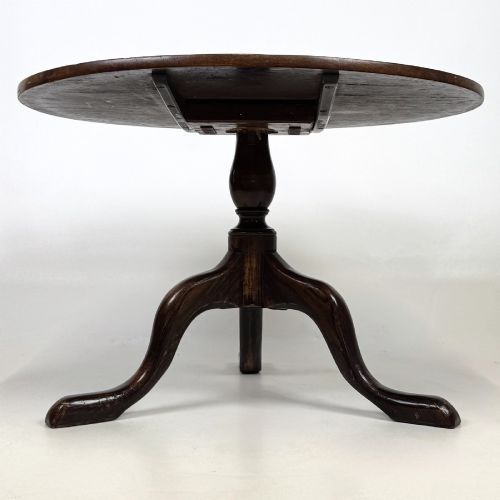
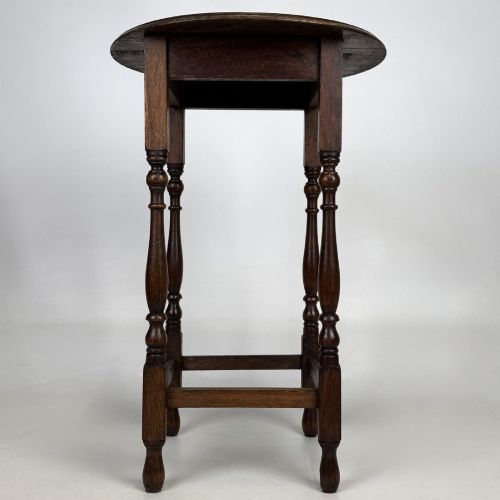
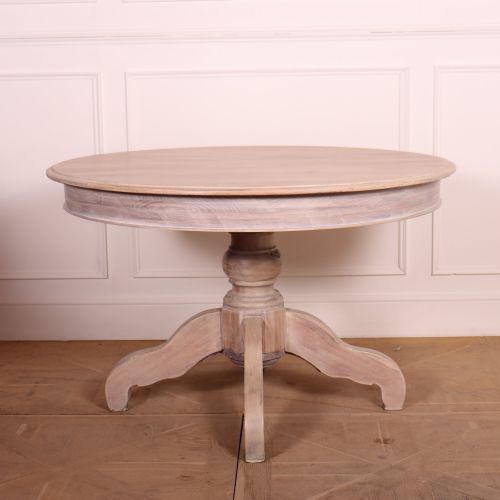
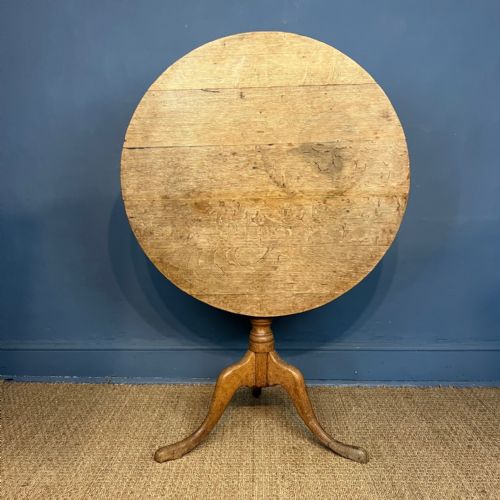
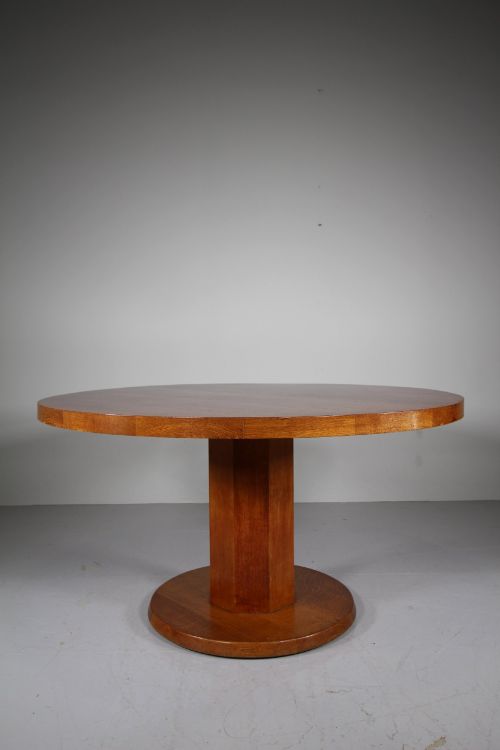
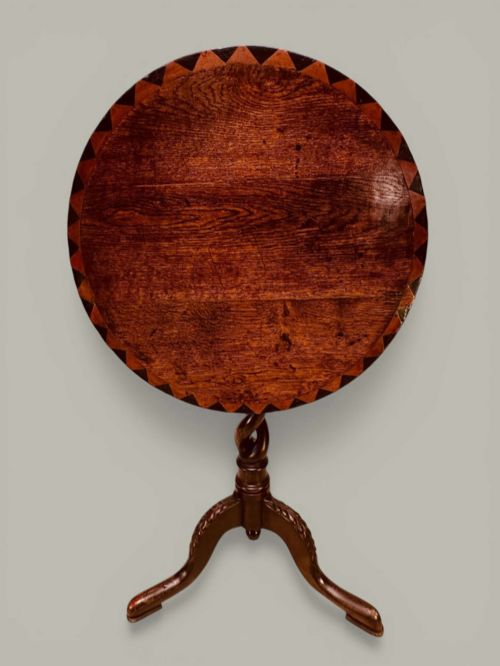
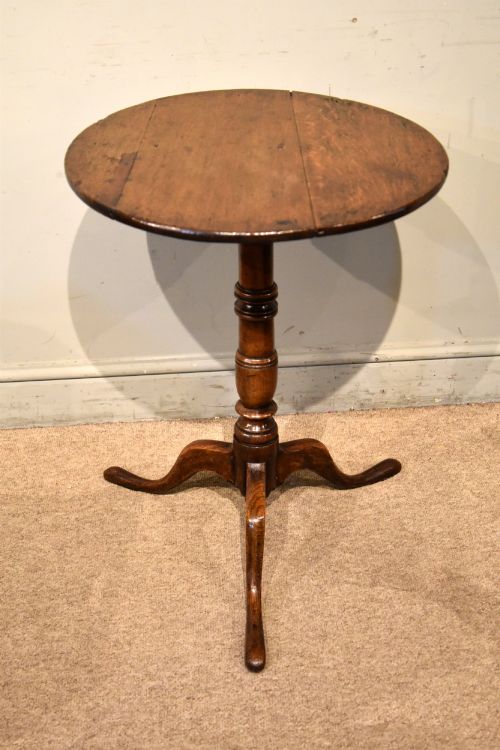
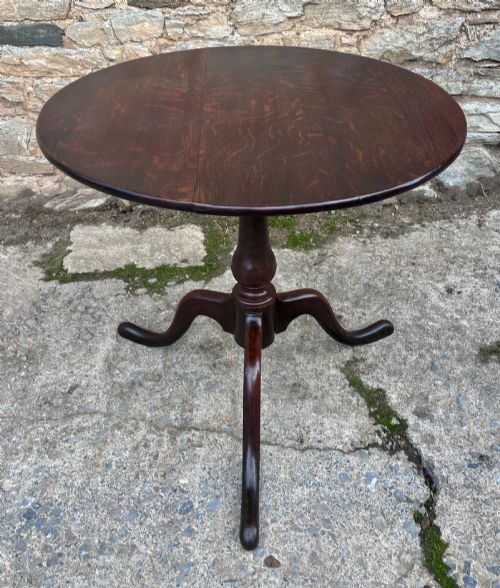
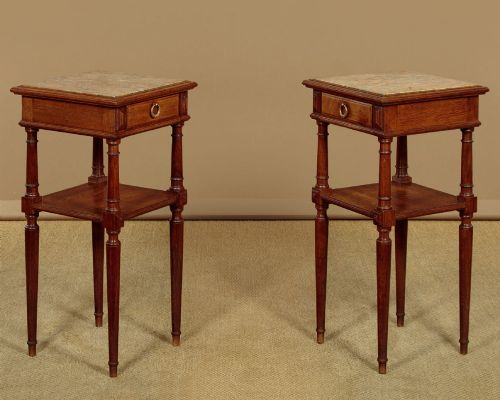
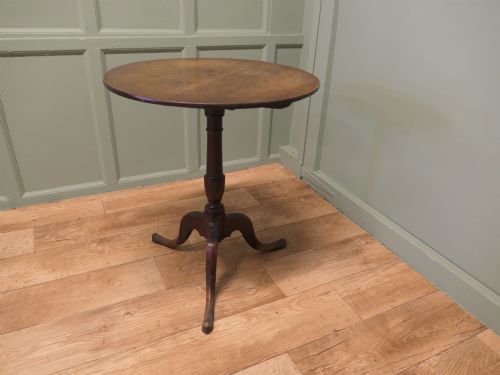
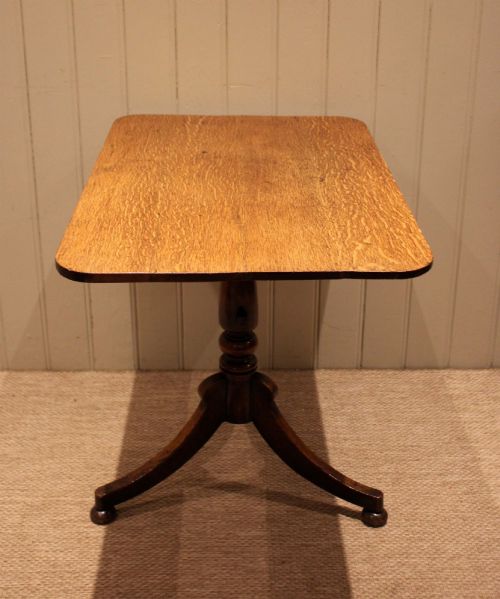
Beyond workspaces, buyers frequently encounter smaller occasional tables, tilt-top wine tables, plant stands, and architectural columns. These items span periods from the Georgian era through the Victorian and Edwardian decades into the Art Deco period.
The aesthetic vocabulary stretches from plain utilitarian office pieces to heavily carved Victorian items, Arts and Crafts designs, and Jacobean Revival details. This variety ensures that whether the requirement is a sturdy partner desk or a slender display stand, an example exists in the material.
How they were made
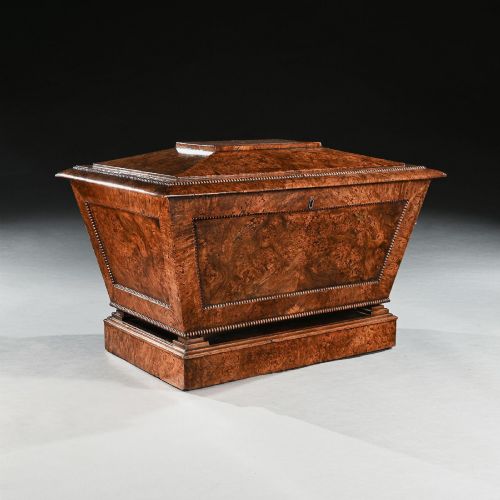
Carpenters utilised native and imported timbers, combining solid oak with burr oak veneers to create figured surfaces on desk fronts and table tops. Secondary structural elements sometimes incorporated contrasting woods like mahogany or walnut within drawer linings.
Hardware played an essential role, integrating brass handles, locks, and hinges alongside structural iron components on heavier tables and desks. Surface enrichment relied heavily on hand carving, displaying linenfold motifs, fruiting vines, and geometric Jacobean panels.
Assembly techniques involved traditional joinery suited to heavy use, allowing large items like refectory dining tables and kneehole desks to endure centuries of daily service. Leather inserts, often tooled with gold leaf, provided durable writing surfaces on the tops of pedestal desks.
Antique Oak Pedestal Retail Price Guide 2026
Typical asking prices for oak pedestal among the pieces listed under this phrase on Sellingantiques today, from the lower quarter to the upper quarter. They describe what is for sale here now, not the wider market.
Secret compartments occasionally hide inside nineteenth-century pedestal desks, waiting for modern finders to discover them.
What varies in quality
The standard of timber selection dictates much of the distinction between standard items and superior examples. Figures utilising tightly grained oak or highly figured burr oak show greater consideration by the original maker.
Execution of decorative carving separates utilitarian workshop production from finer studio pieces. Crisp, deep relief work in motifs such as linenfold or vine leaves reflects skilled hand labour rather than mechanical mass production.
Integrity of construction and proportion governs the lasting appeal of these objects. Balanced pedestal arrangements, smooth drawer operations, and well-fitted structural joints distinguish the best examples from simpler utility pieces.
Heals of London
The Antique Oak Pedestal Glossary
- Twin Pedestal Desk
- A large freestanding desk comprising two distinct stacks of drawers supporting a single top. This form provides substantial storage and a generous central kneehole.
- Burr Oak
- A specialised timber growth showing intricate swirling grain patterns. Cabinetmakers utilised this material for decorative veneers on prominent surfaces.
- Tilt-Top Table
- A table featuring a mechanism that allows the top to pivot vertically when not in use. This design enabled easy storage against walls in smaller rooms.
- Linenfold
- A style of wood carving depicting folded parchment or fabric. This technique appeared frequently on panels during the Gothic and Revival periods.
- Solomonic Column
- A helical twist column resembling a spiral. These decorative supports appeared on furniture and architectural elements during the seventeenth century and subsequent revival eras.
Antique Oak Pedestal: Frequently Asked Questions
How do I care for an antique oak desk?
Keep wooden surfaces clean using a dry cloth and apply occasional wax to nourish the timber. Avoid placing furniture in direct sunlight or near heat sources to prevent cracking.
Protect leather writing inserts from moisture and sharp implements by using blotters or pads during daily work.
How can I date an oak pedestal table?
Examine construction methods, hardware types, and prevailing style markers. Georgian and Victorian pieces often display hand-cut dovetails and specific turning patterns.
Later Edwardian and 1930s examples incorporate machine-made elements alongside revival styles like Arts and Crafts or Art Deco.
Where were pedestal desks originally used?
These pieces served primarily in libraries, studies, and administrative offices as functional writing and storage furniture. Wealthy households and commercial institutions relied on them for daily correspondence.
Today, they transition easily into modern home offices and living spaces as statement workstations.