

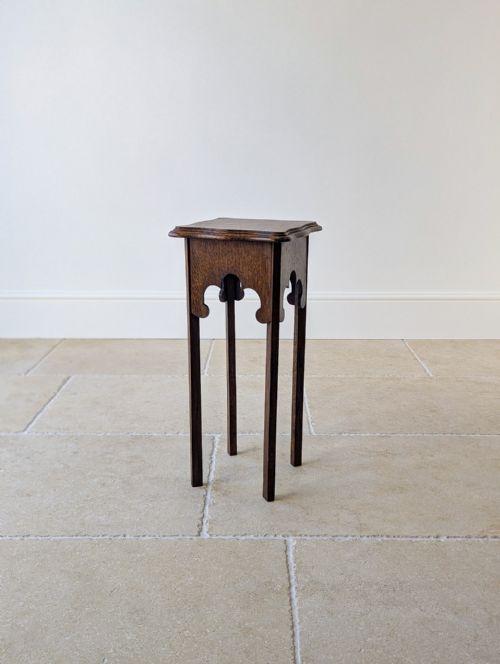
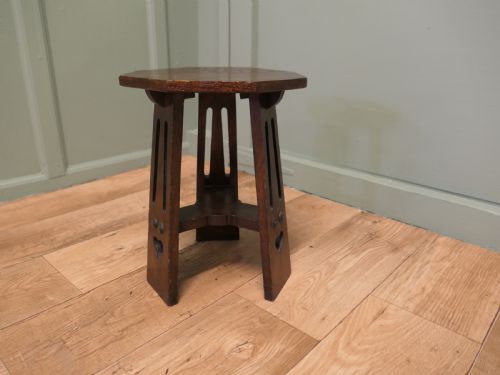
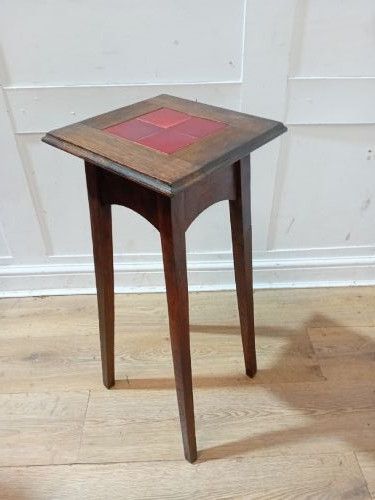
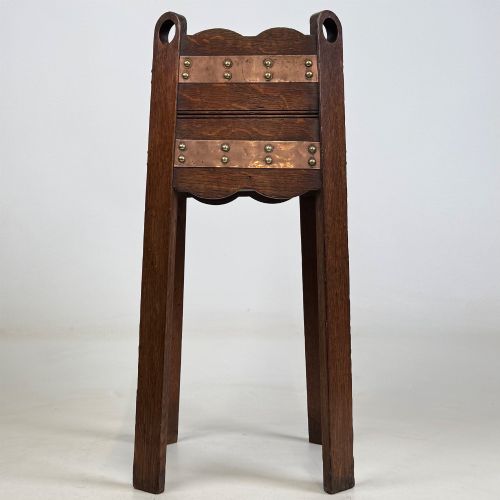


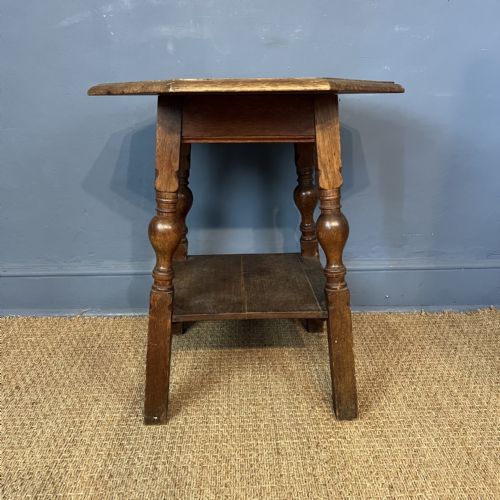
Liberty Style Plant Stand
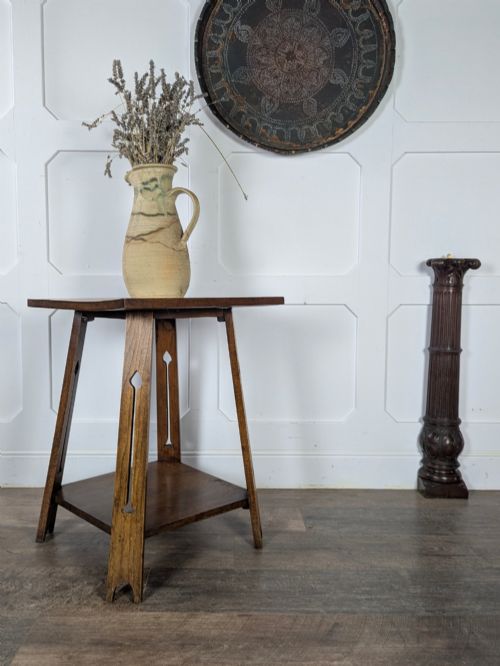
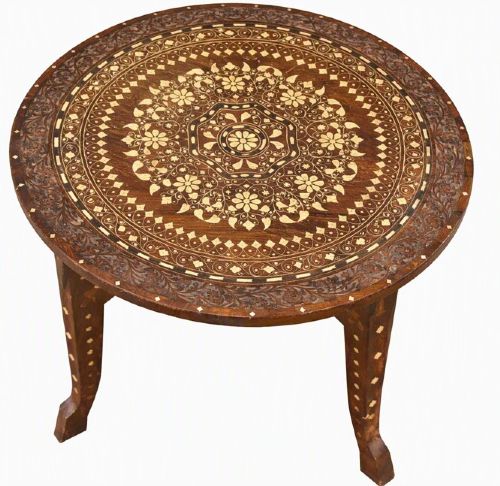
A liberty style plant stand brings distinct Arts and Crafts and Moorish character to a room through solid oak and intricate carved detail.
Liberty Style Plant Stand
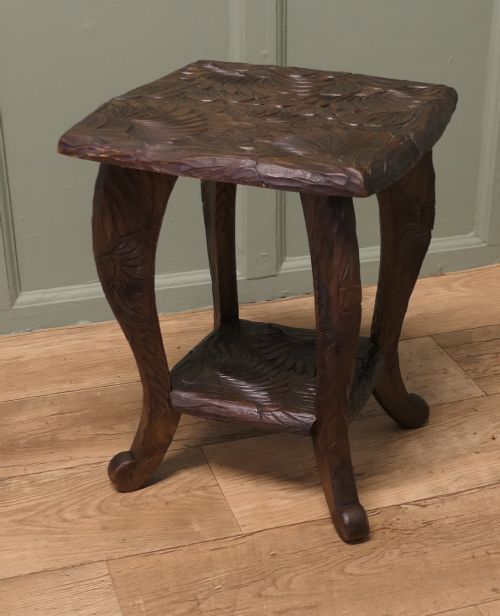
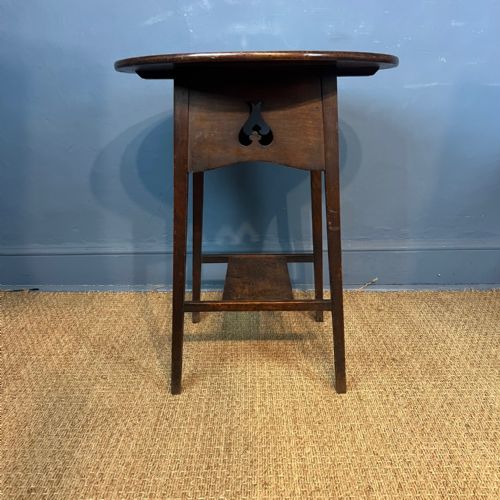
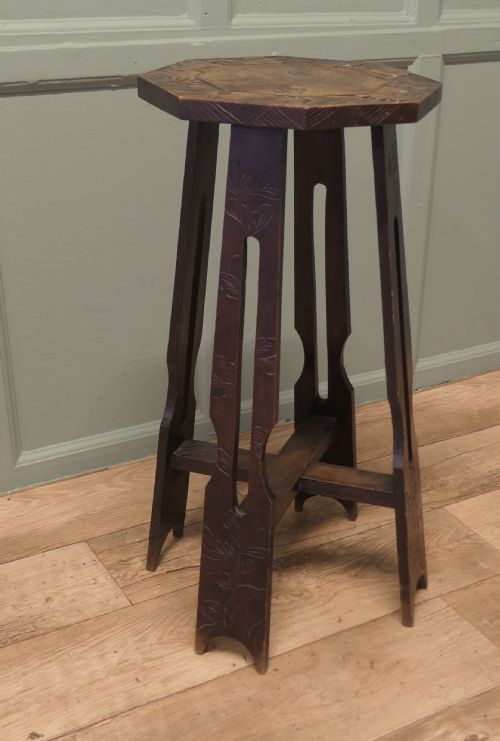
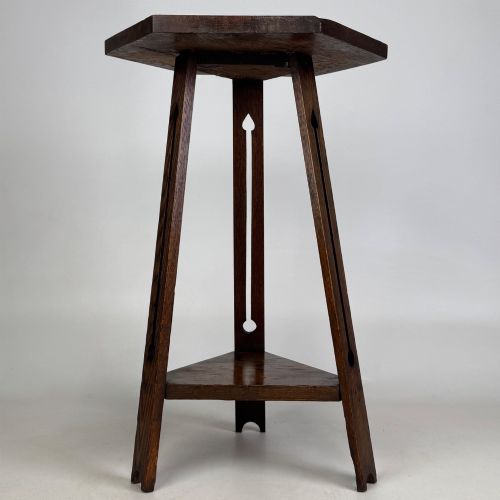
A liberty style plant stand typically takes the form of an octagonal or circular occasional table designed to hold plants, lamps or decorative objects. You will most frequently encounter sturdy oak examples originating from the late nineteenth and early twentieth centuries, spanning the Victorian and Edwardian periods.
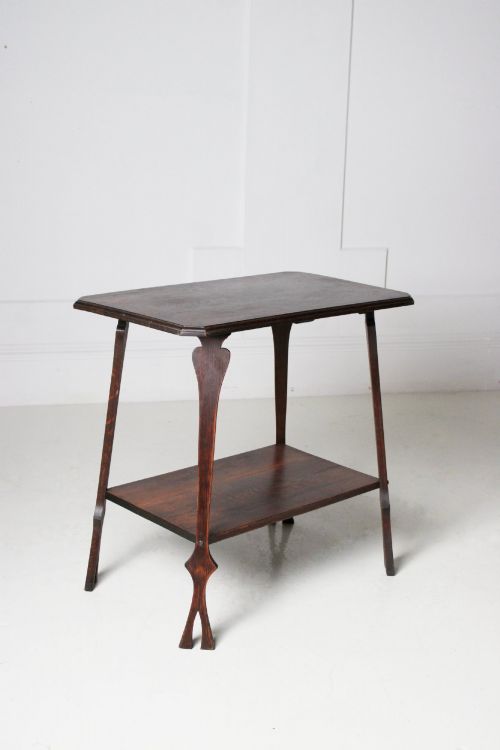
The selection also encompasses related side tables and jardiniere stands sharing the same aesthetic vocabulary. Makers working in this idiom drew upon Arts and Crafts, Moorish Revival, and Anglo-Japanese styles to create functional furniture with artistic intent.
How they were made
Construction relies heavily on solid oak and carved hardwood, yielding robust frames capable of supporting heavy ceramic tiles or metal jardiniere pots. Joinery methods of the period prioritized visible structural integrity alongside surface decoration.
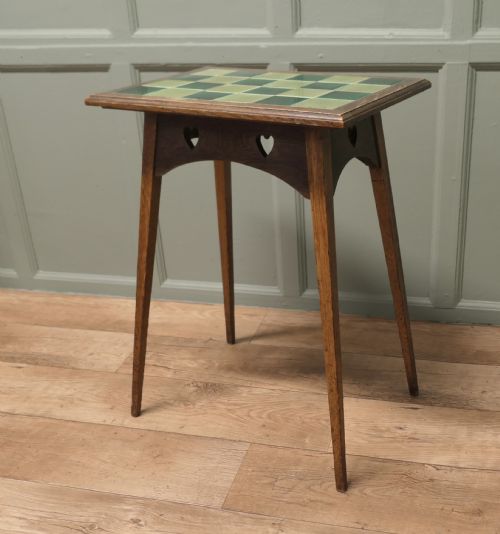
Surface ornamentation incorporates diverse techniques including hand carving, fretwork, and detailed inlay work using bone or mother-of-pearl. Some iterations integrate ceramic tiles into the top surface to provide a durable, heat-resistant platform for plants.
Liberty Style Plant Stand Retail Price Guide 2026
Typical asking prices for liberty style plant stand among the pieces listed under this phrase on Sellingantiques today, from the lower quarter to the upper quarter. They describe what is for sale here now, not the wider market.
Listings feature oak, hardwood, mother-of-pearl, bone, and ceramic tiles across Victorian, Edwardian, and early twentieth century periods.
What varies in quality
Quality rests upon the crispness of the hand carving and the selection of timber used in the frame. Superior examples demonstrate confident execution in fretwork and inlay without relying on excessive applied ornamentation.
The integrity of the construction and the presence of maker attribution or retailer stamps further distinguish finer pieces. Structural balance and the harmonious integration of mixed materials like ceramic tiles or bone inlay separate standard production from exceptional work.
Liberty and Co·Liberty of London·Baillie Scott·Archibald Knox
The Liberty Style Plant Stand Glossary
- Arts and Crafts
- A design movement emphasising handcraftsmanship, simple forms, and traditional materials. It reacted against mass production by celebrating the visibility of construction.
- Moorish Revival
- An architectural and decorative style incorporating geometric patterns and intricate woodwork inspired by Islamic architecture. It found popularity in British interiors through retailers seeking exoticism.
- Jardiniere
- A large decorative pot or stand designed to hold indoor plants and flowers. These items often feature waterproof inserts or tiled surfaces to manage moisture.
- Fretwork
- Ornamental design created by cutting patterns through thin wood using a fretsaw. This technique adds delicate visual texture to skirts and aprons of tables.
Liberty Style Plant Stand: Frequently Asked Questions
Where should I place a plant stand?
These stands suit corners or empty spaces where a tall, compact surface can display a potted plant or lamp without obstructing foot traffic. Their modest footprints allow them to integrate easily into both traditional and contemporary room layouts.
Position them near natural light sources if used for living plants, ensuring the timber is kept away from direct heat sources that might dry out the wood.
How do I care for antique oak?
Maintain the timber by dusting with a dry, soft cloth and occasionally applying a traditional beeswax polish to nourish the grain. Avoid chemical sprays and excessive moisture which can damage the polished finish.
Protect surfaces from damp plant pots by using appropriate saucers beneath greenery, as standing water will leave permanent rings on older wood finishes.
What defines the Arts and Crafts style?
The style prioritizes honest construction, visible grain, and functional utility over superfluous ornamentation. It values the contribution of individual makers and traditional workshop methods.
Pieces often display straightforward joinery and sturdy proportions, utilising native timbers like oak rather than exotic veneers.
How can I identify a retailer piece?
Look for stamped maker marks or retailer signatures typically located on the underside of the table or along the interior edge of the frame. Design characteristics such as specific heart motifs or particular carved geometric patterns also point toward known workshops.
Not all items carry explicit stamps, so attribution often relies on distinctive construction methods and stylistic markers associated with specific designers.