



Dark Oak Jardiniere
A dark oak jardiniere brings rich grain and grounded presence to a room, holding greenery with architectural steadiness.
Dark Oak Jardiniere
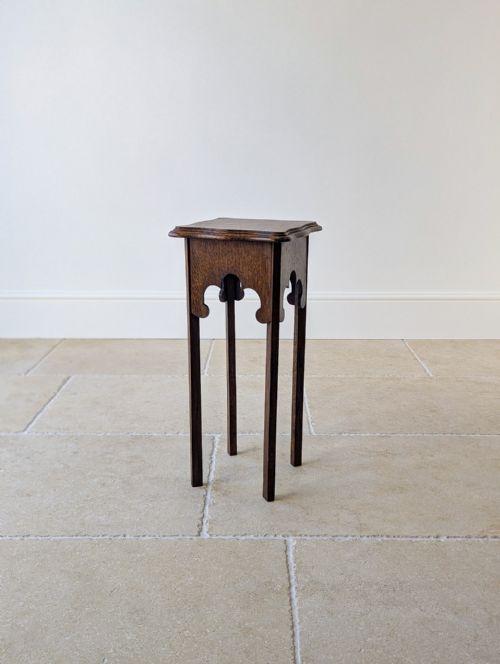
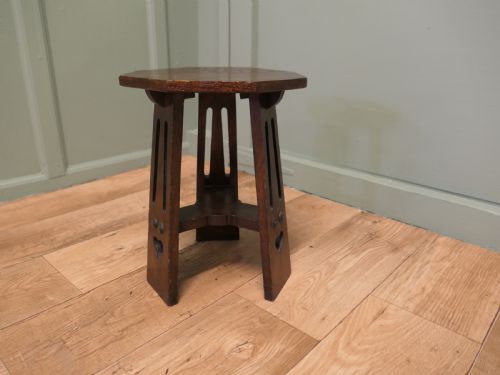
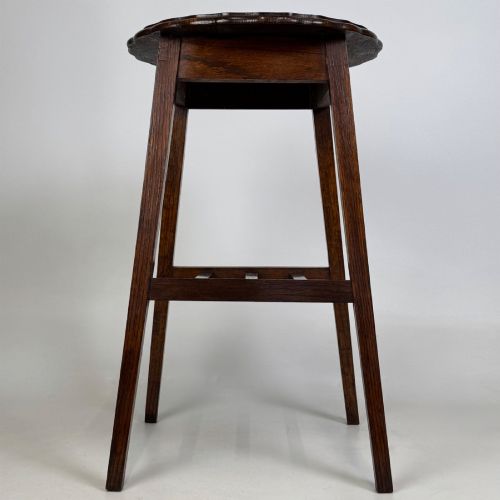
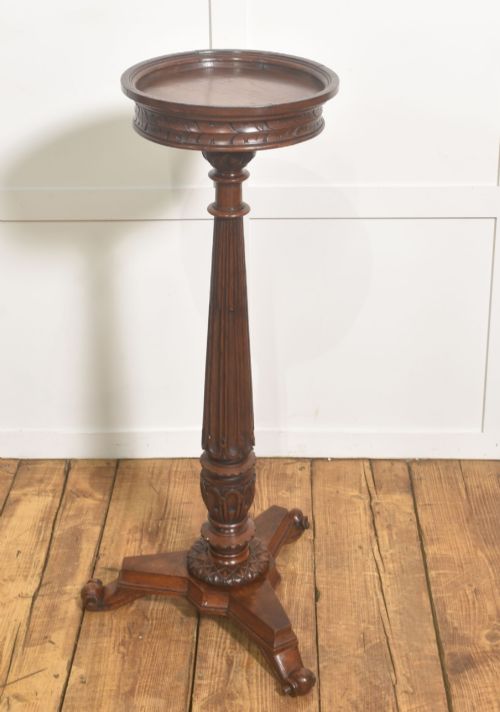
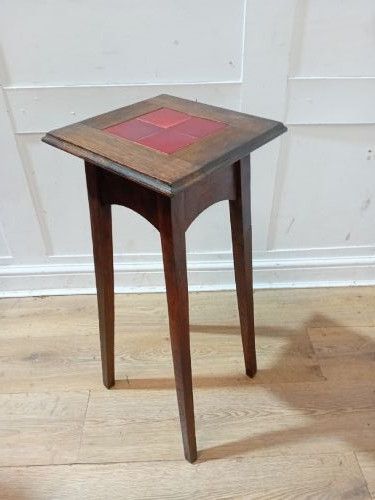
A dark oak jardiniere takes the form of a plant stand, pedestal, side table, or coopered planter designed to display indoor foliage. These pieces emerge predominantly from the Edwardian era, alongside items dated to the nineteenth century, nineteen-twenty, and nineteen-thirty.
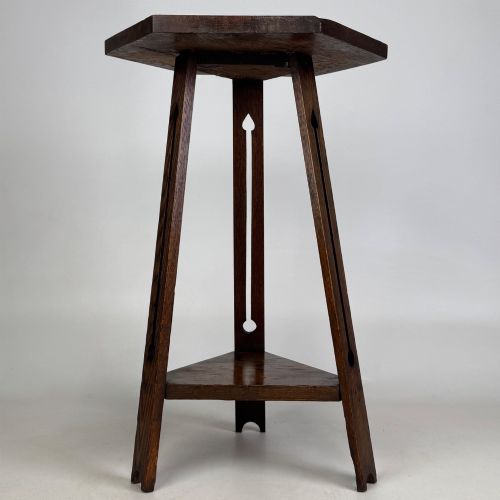
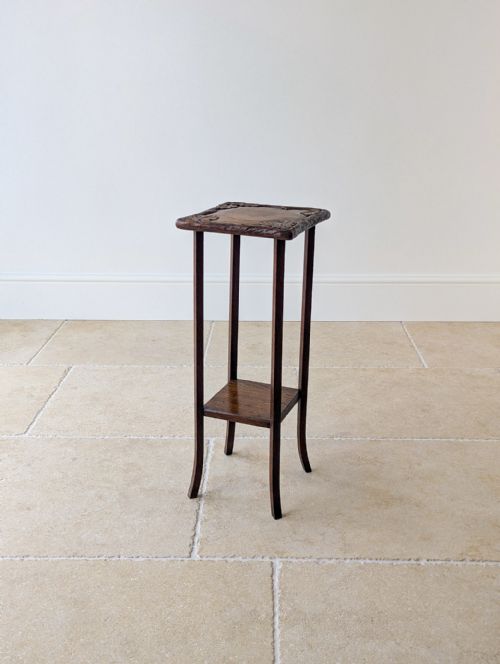
The objects combine practical display surfaces with the deep, warm tones characteristic of dark timber. Buyers encounter octagonal plant stands, two-tier tables, and floor-standing planters built to anchor a botanical display in a hallway or parlour.
Materials and construction
Makers utilised solid oak, frequently employing coopered construction methods where individual wooden staves are bound together like barrels to form cylindrical planter vessels. Turned supports, barley twist columns, and carved structural elements provide vertical strength to the stands.
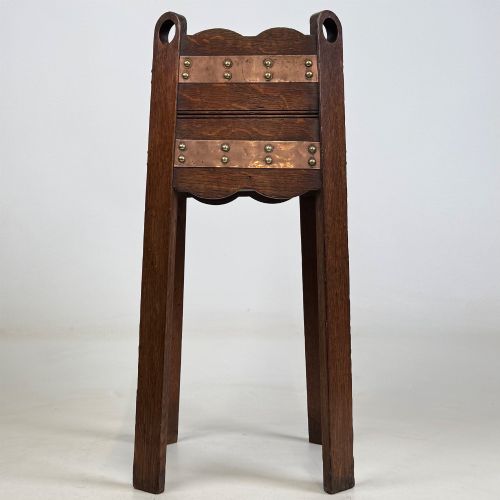
Metal components play an essential structural and decorative role, with brass and copper liners fitted inside the wooden planters to hold water and soil safely. Carved hardwood details and metal hardware appear across pieces aligned with the Arts and Crafts and Renaissance Revival styles.
Dark Oak Jardiniere Retail Price Guide 2026
Typical asking prices for dark oak jardiniere among the pieces listed under this phrase on Sellingantiques today, from the lower quarter to the upper quarter. They describe what is for sale here now, not the wider market.
Common forms include plant stands, two-tier tables, pedestals, and coopered planters reflecting Arts and Crafts and Art Deco design styles.
Distinctions in craftsmanship
Quality rests upon the integrity of the timber selection and the precision of the joinery, whether in the tightness of coopered staves or the stability of a multi-tiered stand. Pieces featuring hand-carved ornamentation and well-fitted metal liners demonstrate a higher level of workshop attention.
Stylistic coherence elevates certain examples, particularly where Arts and Crafts or Art Deco design principles dictate the proportions. The relationship between the supporting stand and the planter vessel governs the visual balance of the complete object.
The Dark Oak Jardiniere Glossary
- Coopered
- Constructed from tapered wooden staves fitted side by side and bound by bands, traditional for vessels holding plants.
- Jardiniere
- An ornamental pot or stand designed specifically for holding flowers or growing plants indoors.
- Barley twist
- A decorative turning technique resembling a twisted rope, common on the upright supports of plant stands.
- Pedestal
- A tall base or support used to elevate a planter or jardiniere above floor level.
- Arts and Crafts
- A design movement valuing handcraftsmanship, simple forms, and honest expression of materials.
Dark Oak Jardiniere: Frequently Asked Questions
What is a dark oak jardiniere used for?
These pieces serve as dedicated plant holders, combining a decorative stand with a waterproof inner vessel for indoor greenery. They elevate potted plants to create focal points in living spaces and hallways.
Historically, they brought living plants into Victorian and Edwardian interiors, protecting interior surfaces while displaying ferns and palms.
How do I care for the wood?
Maintain the timber by keeping it away from direct heat sources and excessive moisture that might damage the dark finish. Occasional gentle dusting and appropriate wax care preserve the surface sheen.
Ensure that metal liners are removed or protected when watering plants to prevent water from reaching the oak staves.
How do I date an oak jardiniere?
Dating relies on stylistic markers such as Arts and Crafts hand-carving, Edwardian turned columns, or Art Deco geometric lines. The construction methods, including the type of fixings and metal liners, also provide clues to the period.
Compare the proportion and decorative details against pieces firmly attributed to the late nineteenth and early twentieth centuries.
Are liners original to the piece?
Many planters retain their original brass or copper liners, which show appropriate signs of age through patination and minor wear. Replacements sometimes occur over decades of active use.
The presence of a fitted metal insert designed specifically for the wooden vessel adds authenticity to the ensemble.