



Antique Wooden Pot Stand
An antique wooden pot stand elevates greenery and ceramics, bringing functional warmth and traditional craft into domestic spaces.
Antique Wooden Pot Stand
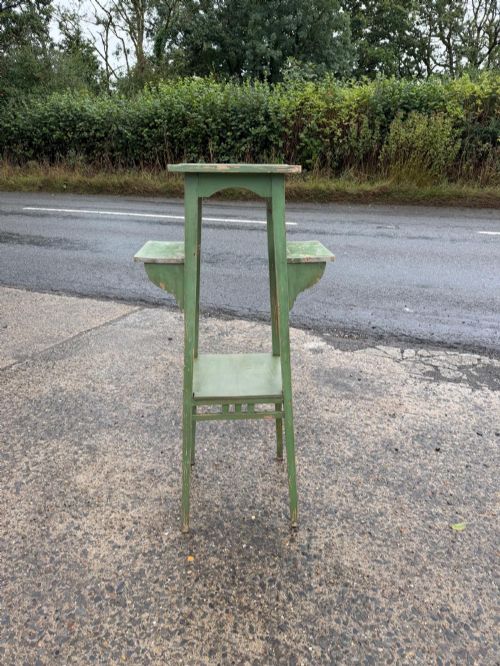
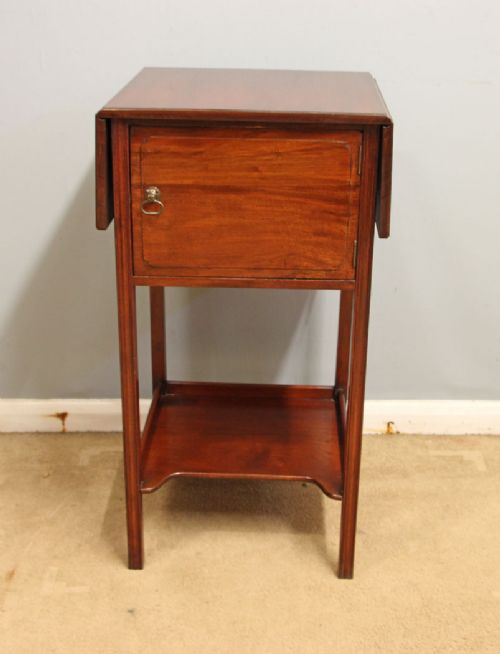
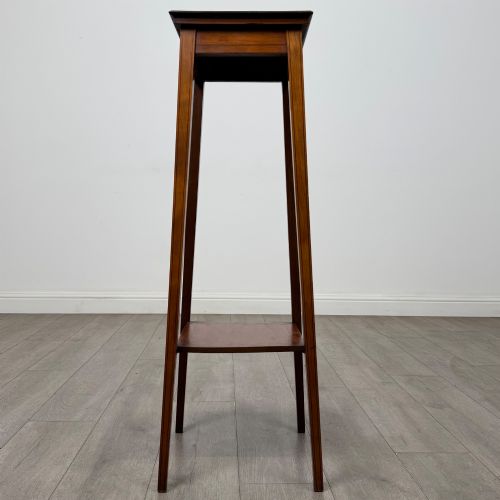
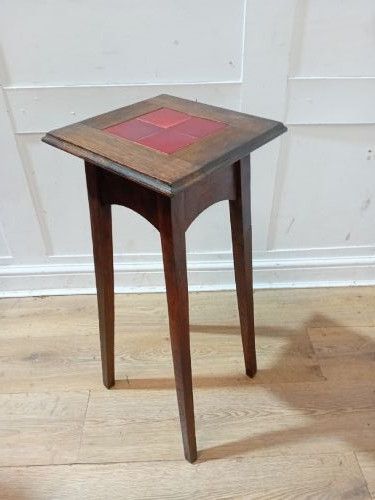
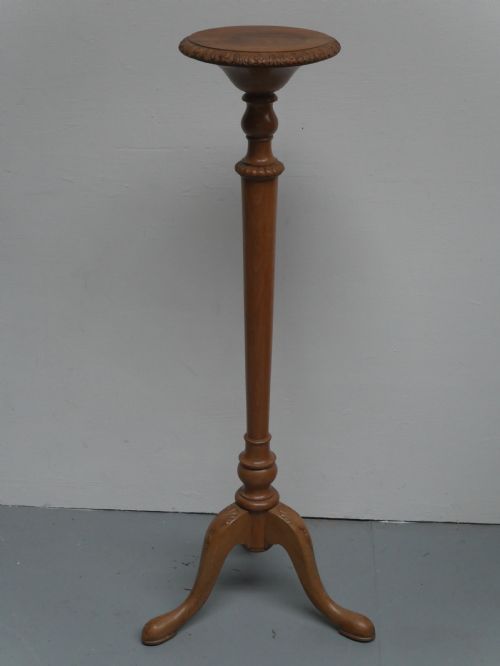
When searching for an antique wooden pot stand, buyers encounter plant supports, jardiniere holders, and vase pedestals designed to lift heavy flora off the floor. These items span from the eighteenth century through the Edwardian era, reflecting shifting domestic tastes for interior botany.
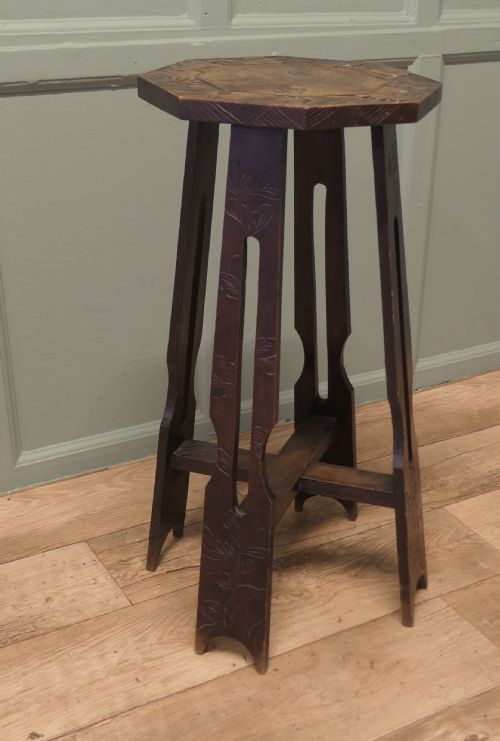
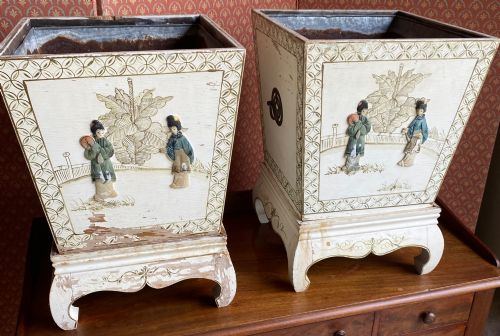
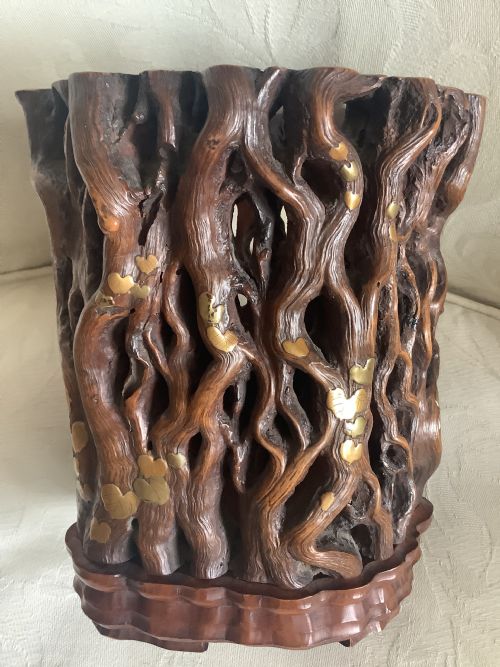
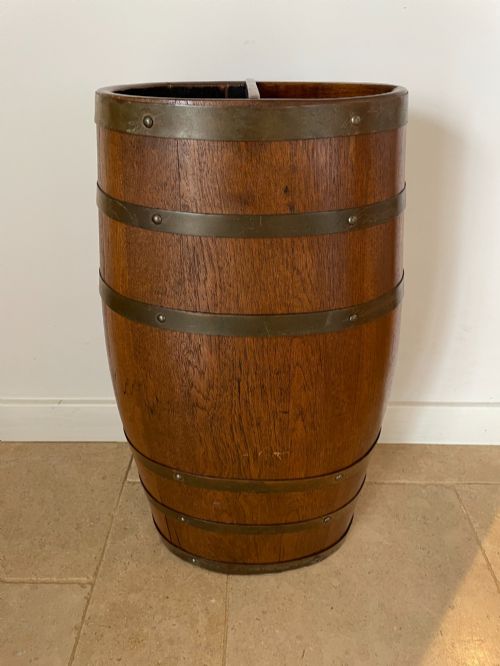
The most common examples on this page date from the nineteenth and early twentieth centuries, constructed in forms ranging from simple turned columns to coopered oak barrels and carved oriental pedestals. Makers utilised native hardwoods like oak and mahogany alongside exotic timbers to build sturdy display furniture.
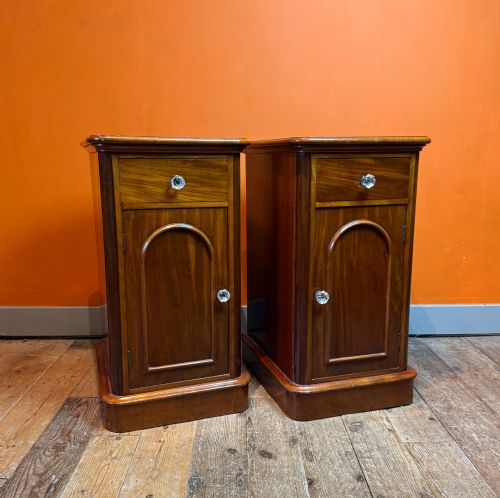
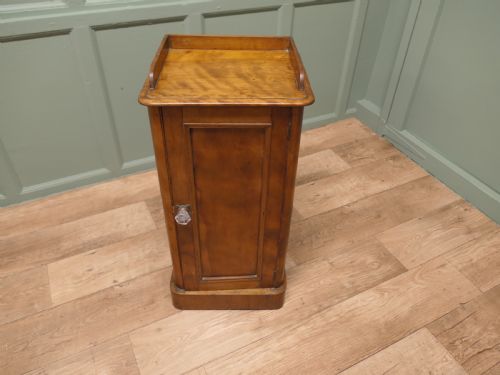
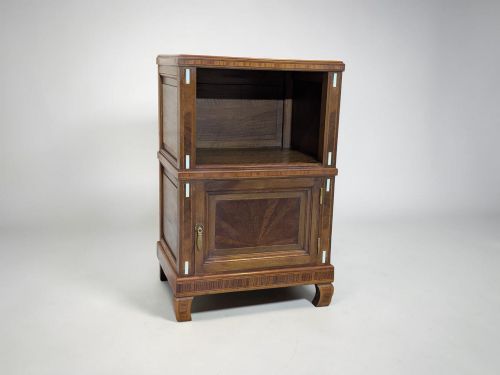
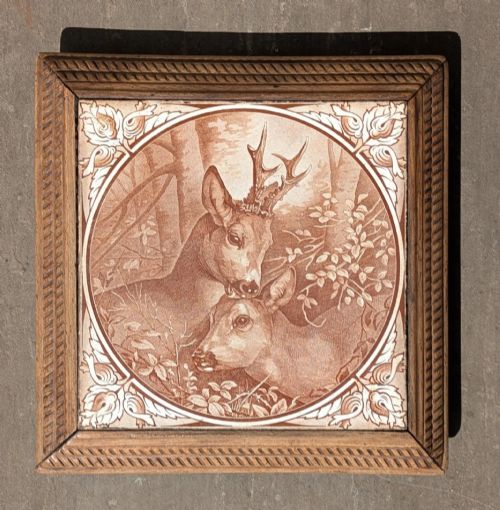
Alongside traditional plant holders, the selection includes related bedside tables, nightstands, and small display tables that share similar timber construction and decorative carving. These varied forms demonstrate how wooden stands served multiple utilitarian purposes within period interiors.
Materials and construction
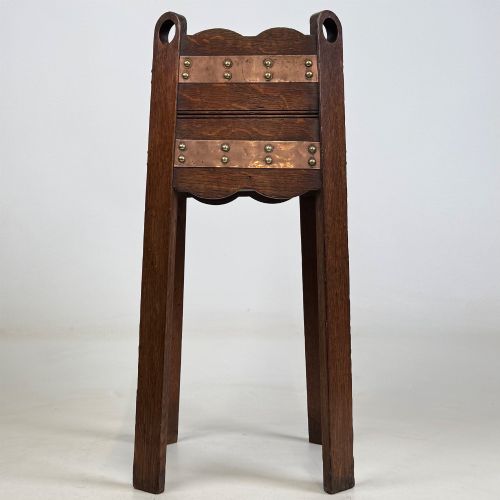
Cabinetmakers relied heavily on mahogany, oak, and walnut, selecting timbers for their grain pattern and structural strength. Many stands incorporate secondary materials such as brass bands, marble inserts, or hand-painted finishes to protect the wood from water damage and add decorative contrast.
Construction techniques combine traditional joinery with turned supports, coopered staves, and intricate hand-carving. Artisans employed mortise and tenon joints to ensure stability, allowing tall pedestals to safely bear the heavy weight of potted plants and ceramic jardinieres.
Antique Wooden Pot Stand Retail Price Guide 2026
Typical asking prices for wooden pot stand among the pieces listed under this phrase on Sellingantiques today, from the lower quarter to the upper quarter. They describe what is for sale here now, not the wider market.
The inventory combines British and continental European designs, including Oriental hardwood display pieces and rustic garden room trays.
Assessing craftsmanship
Quality rests in the selection of timber and the crispness of carved detail, distinguishing standard production items from master-carved or maker-attributed pieces. Superior stands exhibit tight joinery, balanced proportions, and well-figured grain that remains stable over centuries of use.
The integration of secondary materials, such as heavy brass bindings or inset marble tops, separates finer examples from utilitarian ones. Original patination and untouched surface finishes further elevate a piece, showing the natural ageing of the wood rather than modern intervention.
Liberty of London
The Antique Wooden Pot Stand Glossary
- Jardiniere
- An ornamental pot or stand designed to hold a plant or floral arrangement. These vessels often sit upon dedicated wooden or brass-bound pedestals.
- Coopered
- Constructed from curved wooden staves bound together with metal hoops, much like a barrel. This technique was frequently utilised for heavy plant tubs and umbrella stands.
- Hardwood
- Timber derived from broad-leaved deciduous trees such as oak, mahogany, and walnut. These dense woods provide the necessary durability for load-bearing furniture.
- Pedestal
- A tall, freestanding support structure used to elevate vases, figures, or plants. They feature prominently in nineteenth-century interior displays.
- Patina
- The surface sheen and colour acquired by timber through age, handling, and light exposure. Collectors value original patination for its historical authenticity.
Antique Wooden Pot Stand: Frequently Asked Questions
What is an antique wooden pot stand used for?
These stands were originally built to elevate potted plants, palms, and floral arrangements away from cold floors and damp surfaces.
Today, collectors utilise them to display ceramics, sculptures, and lamps, adding vertical interest and traditional character to modern rooms.
How do I care for antique wooden furniture?
Maintain timber stands by keeping them away from direct heat sources and sudden humidity changes that cause wood to crack.
Apply natural beeswax periodically to nourish the grain and protect the historical surface from moisture.
Are these stands strong enough for heavy plants?
Most period stands were engineered to bear the substantial weight of wet soil and large ceramic pots.
Solid hardwood construction and sturdy pedestal bases ensure they remain stable under significant loads.
How do I identify the period of a stand?
Dating relies on observing timber choices, construction methods, and stylistic cues such as Arts and Crafts simplicity or Victorian carving.
Comparing the turned elements and secondary materials against documented examples helps confirm the era of manufacture.