

Antique Jardiniere on Stand
An antique jardiniere on stand brings organic form indoors, elevating a potted plant or floral display upon a dedicated pedestal or table.
Antique Jardiniere on Stand
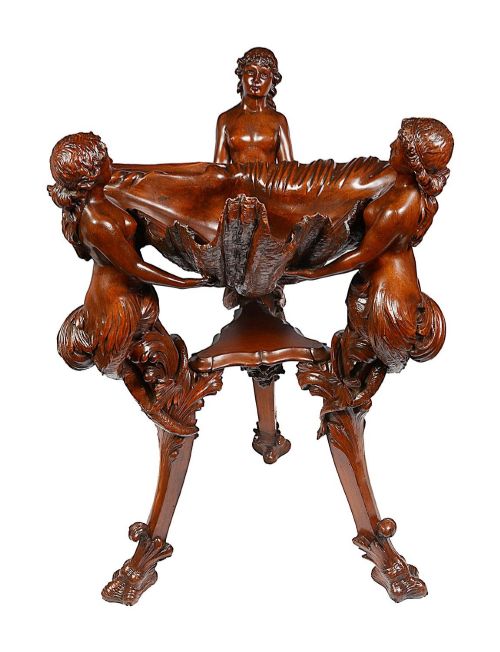
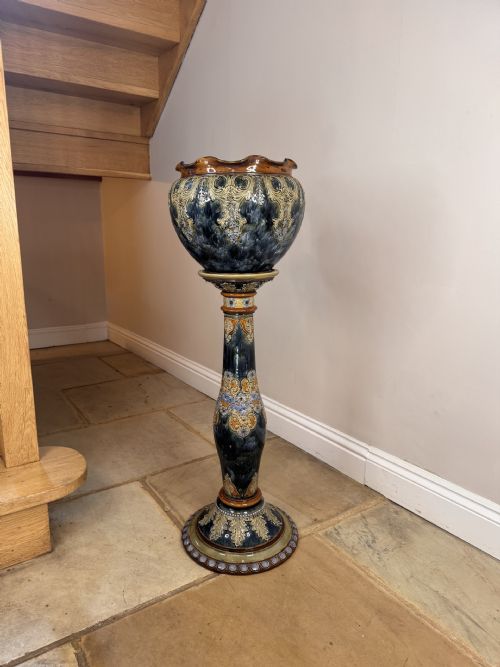
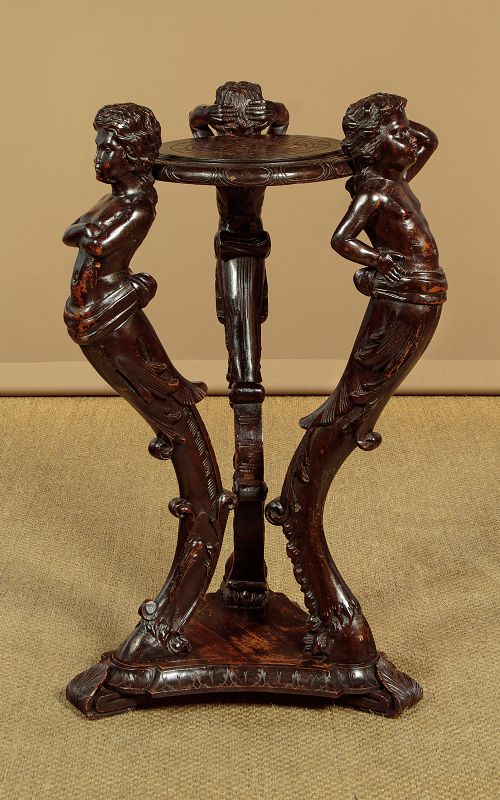
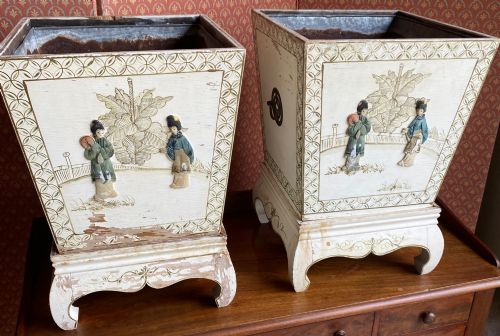
An antique jardiniere on stand combines a vessel for plants with a matching pedestal, column, or table base. These pieces span Victorian, Edwardian, and nineteenth-century periods, bringing botanical display into interior spaces.
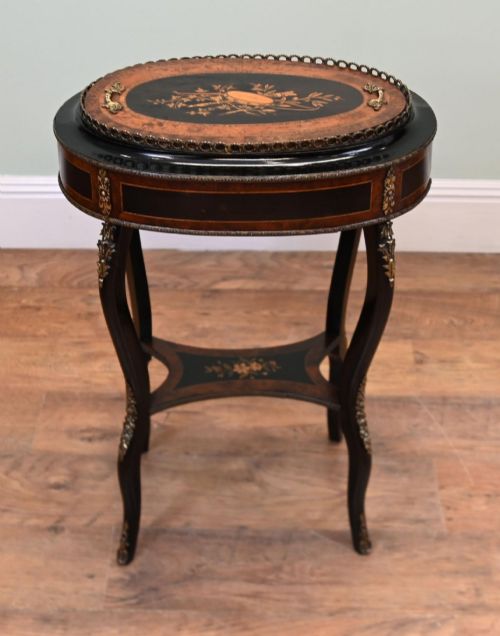
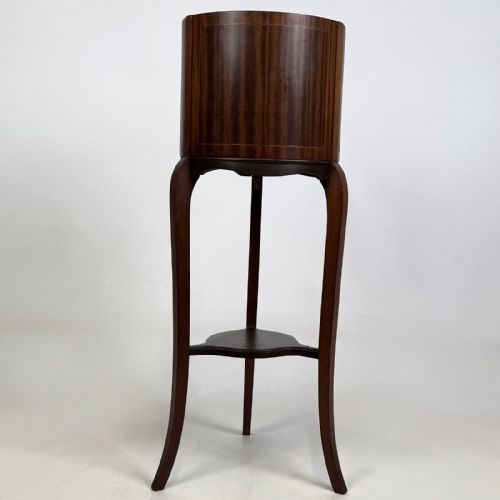
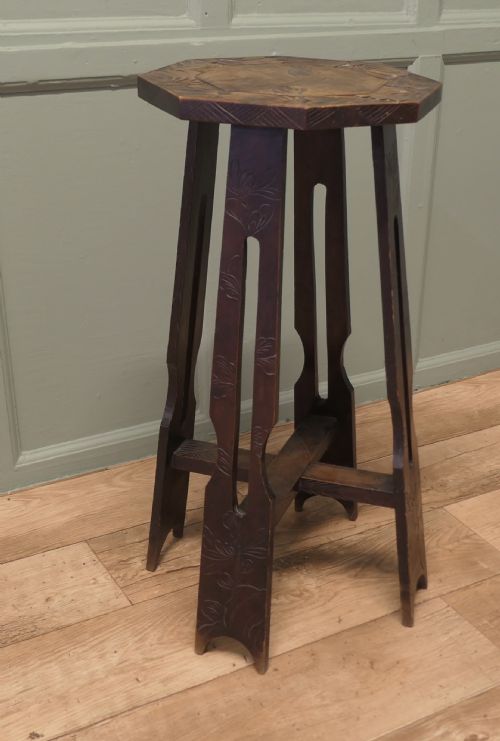
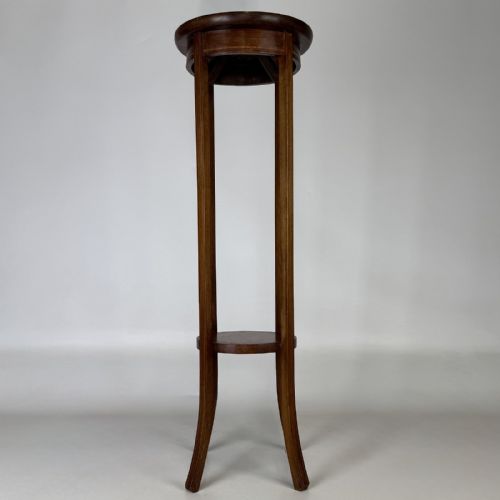
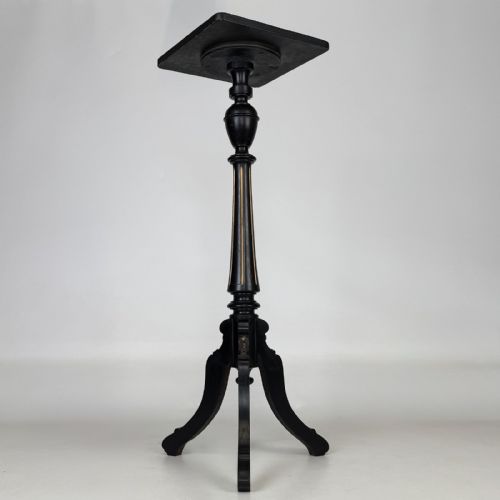
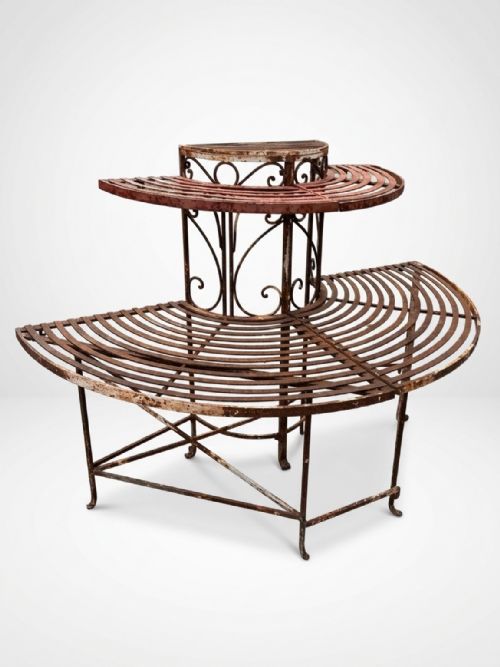
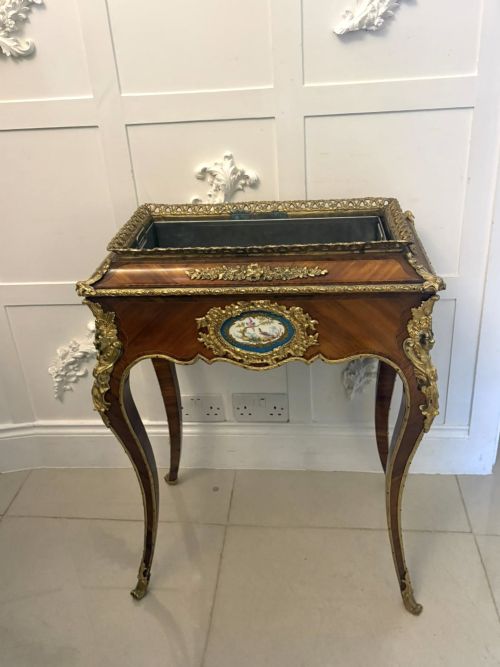
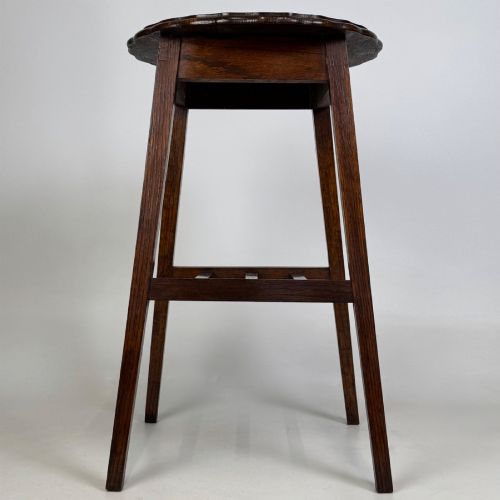
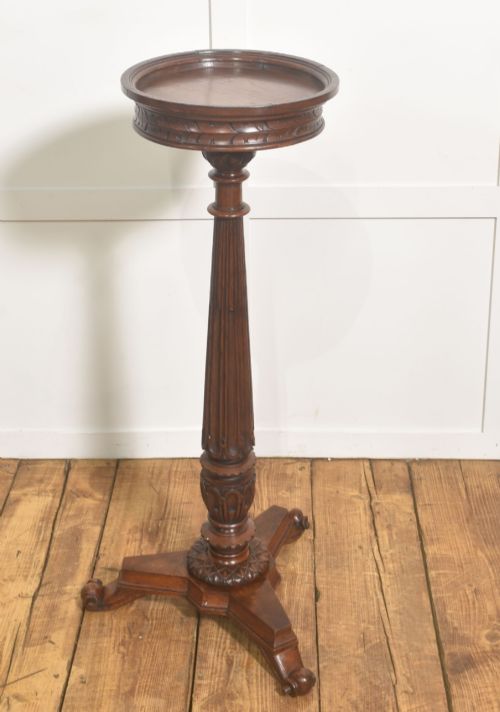
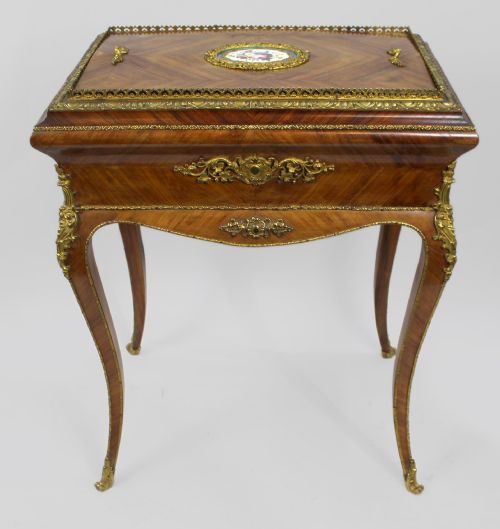
The selections here range from tall plant stands and torcheres to French ormolu-mounted planter tables and majolica vessels on pedestals. Oak, mahogany, and ebonised wood form the structural foundations.
Makers and workshops from Arts and Crafts movements to French nineteenth-century ateliers produced these vessels to hold heavy soil and damp plants safely above household flooring.
How they were made
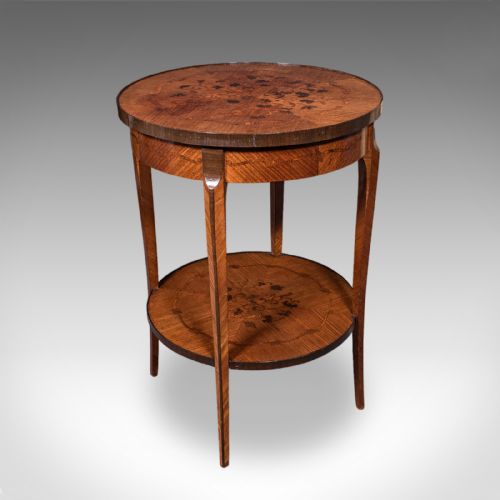
Cabinetmakers utilised hardwoods such as mahogany, oak, walnut, and kingwood, employing sturdy construction methods to support the considerable weight of wet earth and ceramics. Inlaid veneers, carved cabriole legs, and shaped shelves demonstrate period woodworking expertise.
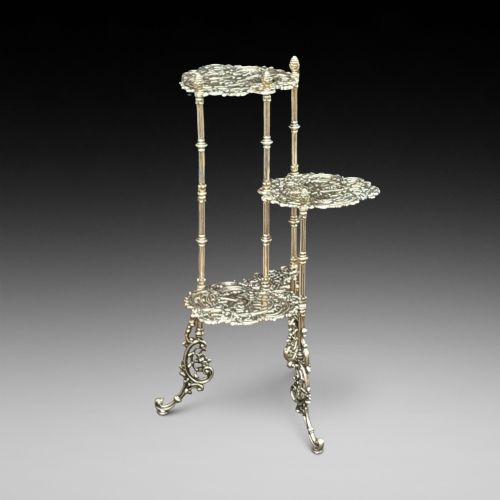
Metal components, including brass liners, ormolu mounts, and bronze details, were cast and chased to reinforce edges and add decorative contrast. Porcelain plaques and majolica bodies brought glazed colour into the composition.
Antique Jardiniere on Stand Retail Price Guide 2026
Typical asking prices for jardiniere on stand among the pieces listed under this phrase on Sellingantiques today, from the lower quarter to the upper quarter. They describe what is for sale here now, not the wider market.
Listings feature oak, mahogany, walnut, and kingwood alongside porcelain, brass, and majolica across nineteenth-century and Edwardian periods.
What varies in quality
The refinement of carving and inlay marks the distinction between standard production pieces and finer salon examples. Crisp details on brass mounts and hand-painted ceramic plaques indicate higher workshop standards.
Structural integrity under heavy loads separates robust pieces from lighter occasional tables adapted for plant display. Original metal liners and matched stands preserve the physical unity of the design.
Liberty & Co
The Antique Jardiniere on Stand Glossary
- Jardiniere
- An ornamental pot or vessel designed specifically to hold plants or flowers. They often sit within a fitted stand or table frame.
- Torchere
- A tall, slender stand or pedestal originally intended to hold a candle or torch, frequently utilised as a plant stand.
- Ormolu
- Gilded bronze mounts applied to furniture and decorative vessels during the eighteenth and nineteenth centuries. This technique provides metallic contrast against dark hardwoods.
- Majolica
- A type of earthenware glazed with tin enamel, capable of holding bright, opaque colours. Pieces often feature moulded botanical or figural relief work.
Antique Jardiniere on Stand: Frequently Asked Questions
What is an antique jardiniere on stand used for?
These pieces function as elevated plant holders, combining a decorative planter vessel with a matching pedestal, column, or table base. They allow large ferns, flowering plants, or small trees to sit prominently within a room.
Historically, they protected interior flooring from water and soil while bringing living greenery into nineteenth-century parlours and drawing rooms.
How do I care for a wooden plant stand?
Protect wooden surfaces from moisture by placing waterproof liners or saucers inside the jardiniere vessel. Wipe away condensation promptly to preserve polish and veneer.
Apply suitable wax periodically to nourish hardwoods like mahogany, oak, and walnut, avoiding harsh chemical cleaners that strip period finishes.
How can I tell a Victorian stand from an Edwardian one?
Victorian examples often employ darker timbers, ebonised finishes, or ornate brass details, reflecting heavier, more formal interior tastes. Carving tends to be deep and substantial.
Edwardian pieces frequently showcase lighter satinwood or inlaid mahogany, favouring simpler lines and slender cabriole legs influenced by Arts and Crafts ideals.
Were these stands only used for plants?
While primarily designed for horticulture, many forms doubled as torchieres, occasional tables, or wine coolers. Lift-off lids and fitted liners allowed some examples to serve multiple domestic functions.
Their sturdy construction made them adaptable surfaces for displaying ceramics, lamps, or decorative objects when plants were absent.