




Craftsman Oak Plant Stand
These craftsman oak plant stand examples bring honest joinery and solid timber into a room, offering a sturdy perch for foliage.
Craftsman Oak Plant Stand
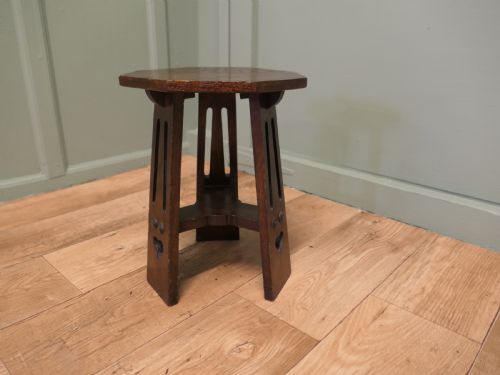
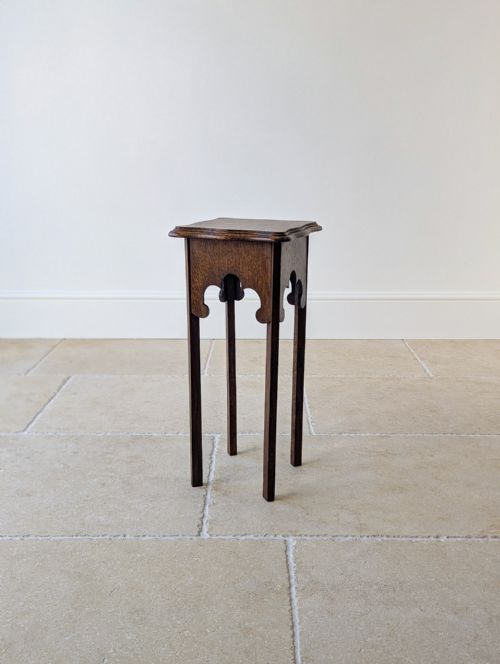
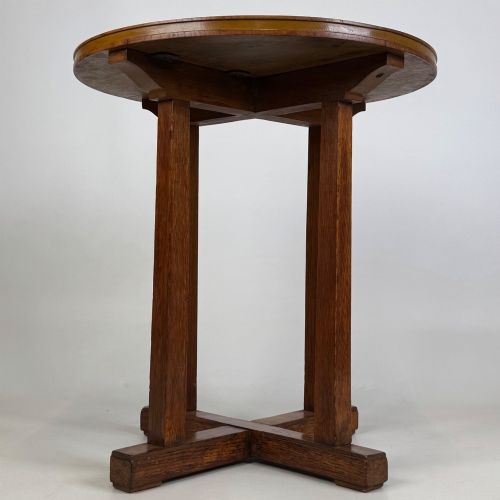
A craftsman oak plant stand combines utility with the honest structural principles of the Arts and Crafts movement. You will encounter octagonal tops, round surfaces, and occasional three-tier designs spanning the Victorian, Edwardian, and early twentieth-century periods.
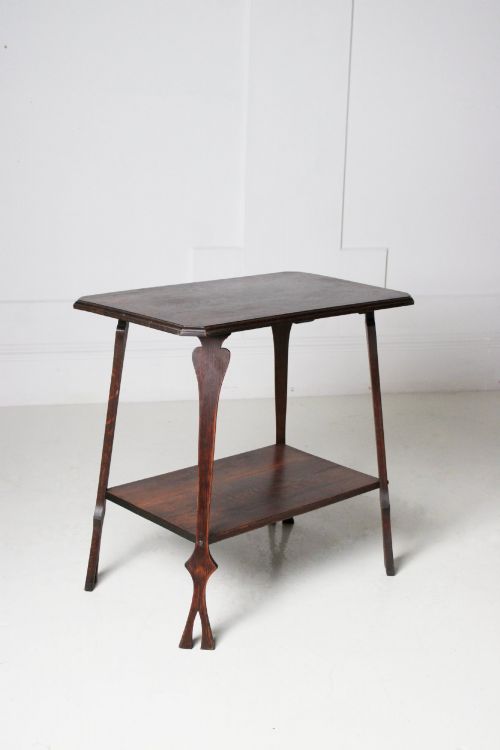
Makers of the era favoured solid timber construction, frequently aligning these plant stands with side tables and lamp tables. The forms remain compact, designed to fit corners or beside seating while carrying the weight of heavy pots.
How they were made
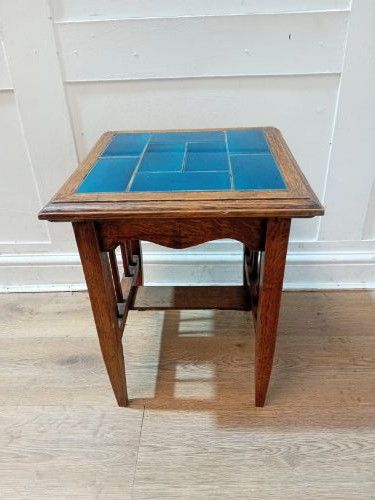
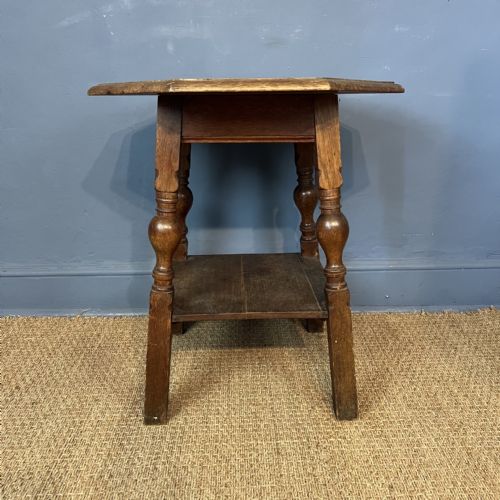
Constructed primarily from solid oak, these pieces rely on straightforward joinery that exposes the grain and natural figure of the wood. Workshops occasionally integrated ceramic tiles into the tops to protect against moisture from watering.
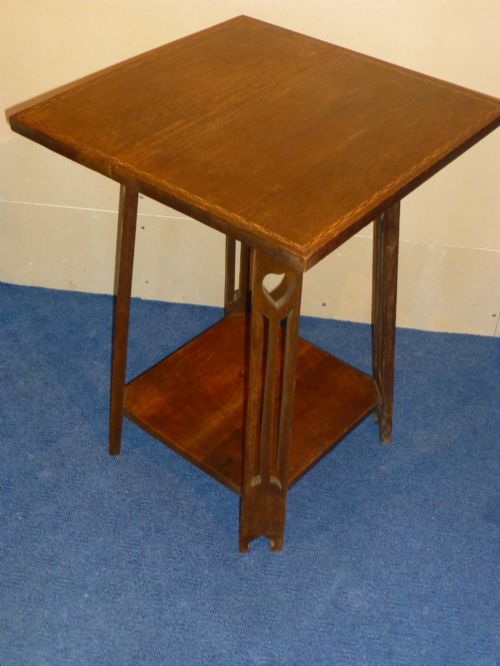
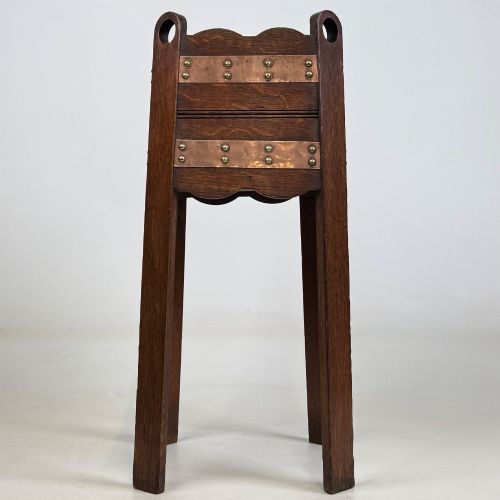
Decorative touches included chequered wood inlay alongside subtle applications of copper and brass elements. Surfaces were finished to highlight the tactile qualities of the timber rather than hiding them beneath heavy gloss.
Some plant stands doubled as impromptu coffee tables when the watering can was put away.
What varies in quality
Quality rests in the weight of the timber and the rigidity of the frame, separating standard workshop output from pieces associated with notable retailers or designers. Solid oak construction with precise joinery holds up better over decades than lighter, more utilitarian builds.
The integration of secondary materials such as ceramic tiles or inlaid wood reveals the ambition of the maker. Finer examples display deliberate attention to proportions and surface decoration that elevates a simple utilitarian object.
Liberty & Co.·William Birch·Baillie Scott
The Craftsman Oak Plant Stand Glossary
- Arts and Crafts
- A design movement valuing handcraftsmanship and simple forms over mass production. This style rejects excessive ornament in favour of honest construction.
- Occasional table
- A small, versatile table used for specific, temporary purposes such as holding a lamp or a plant. These items are easily moved about a room as needed.
- Chequered inlay
- A decorative technique where small contrasting squares of wood are embedded flush into the surface. This creates a geometric pattern along tabletops or borders.
- Tile top
- A tabletop inset with glazed ceramic tiles designed to resist water and heat. Such surfaces were practical additions for plant stands and smoking tables.
Craftsman Oak Plant Stand: Frequently Asked Questions
What is a craftsman oak plant stand?
A sturdy wooden stand designed to hold potted plants, often featuring simple joinery and materials typical of the movement.
These pieces double as small side tables or lamp tables in domestic interiors.
How do I date a plant stand?
Dating relies on period characteristics, construction methods, and stylistic cues linked to the late nineteenth and early twentieth centuries.
Evidence often points toward Victorian and Edwardian eras through specific timber treatments and design forms.
Where should I place it?
Position these stands in corners, beside armchairs, or near windows to support trailing plants and heavy ceramic pots.
Their compact footprints allow them to fit easily into smaller spaces without crowding a room.
Are tile top tables practical?
Ceramic inserts provide a durable, water-resistant surface ideal for holding damp plant pots and watering equipment.
This practical addition protects the underlying oak from moisture damage over years of use.