


Pierced Oak Side Table
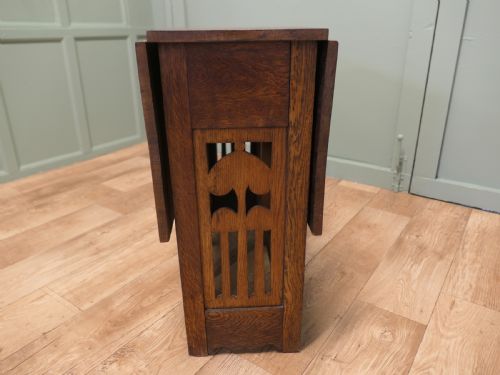
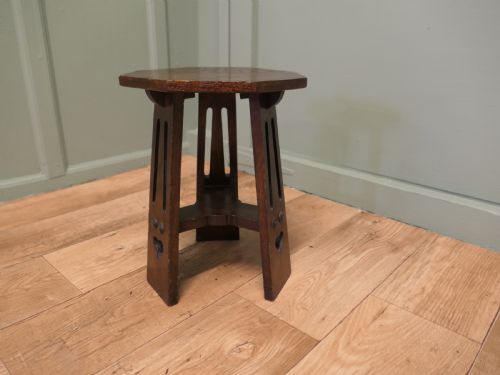
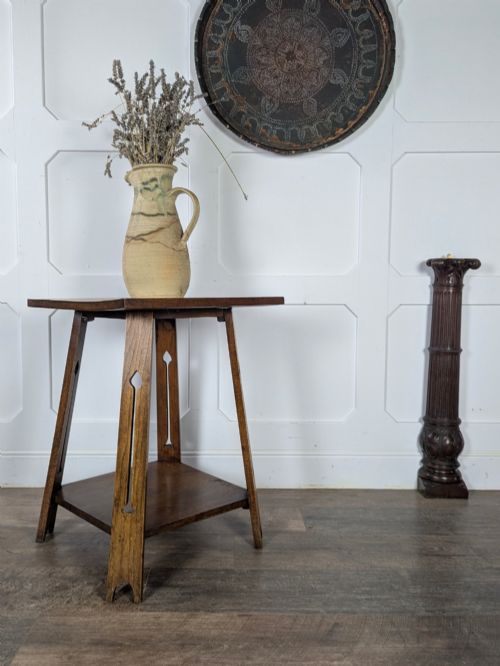
A pierced oak side table brings sturdy timber work and openwork detail together, offering a practical surface with distinct character.
Pierced Oak Side Table
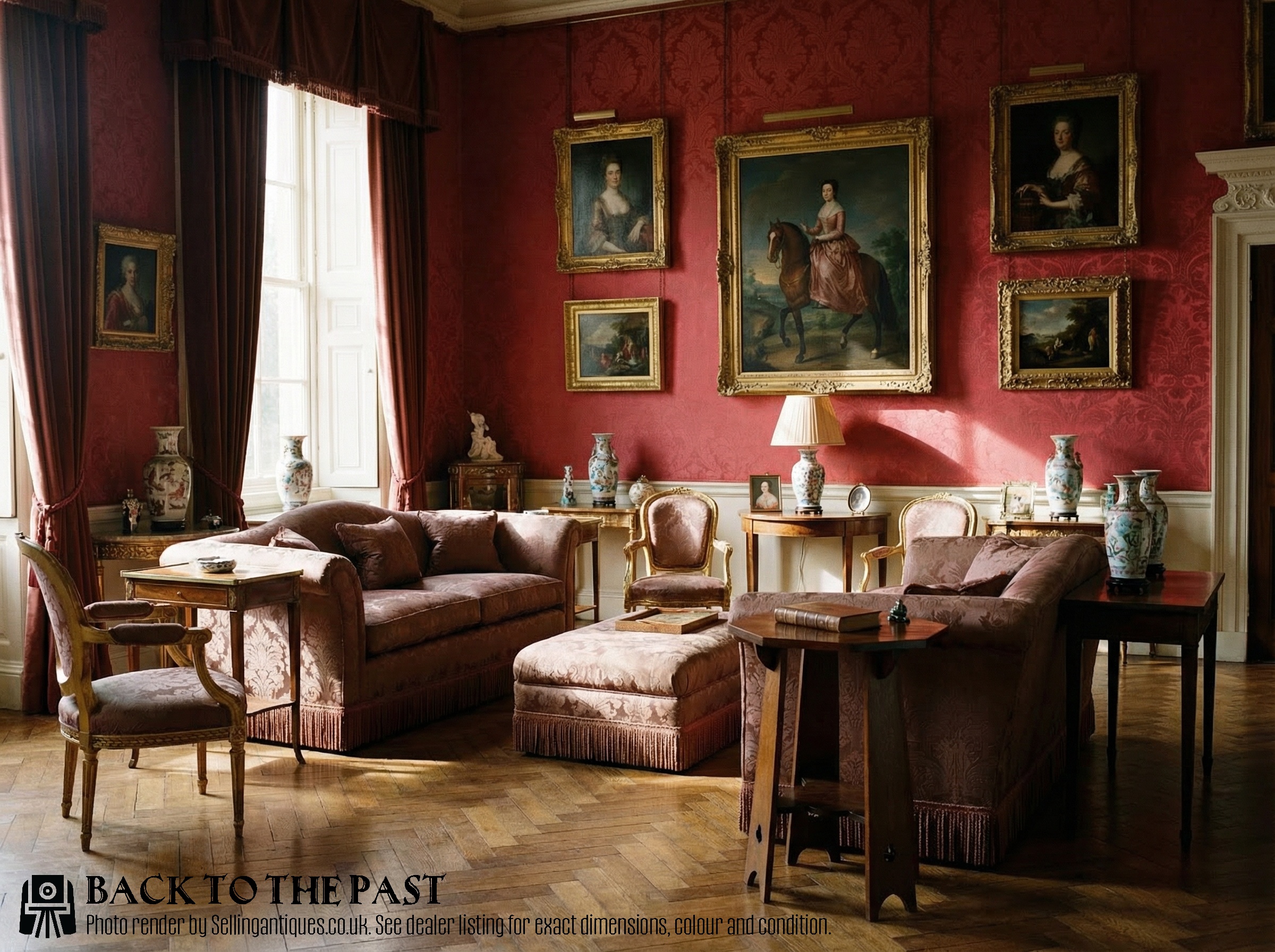
When you search for a pierced oak side table, you encounter practical domestic furniture built primarily from various forms of oak, including solid, figured, and burr timber. These pieces range from Georgian designs to later Edwardian and Arts and Crafts examples, alongside occasional tables, plant stands, and butler trays on stands.
The defining characteristic across these examples is the pierced detail, often found in friezes or gallery sections, paired with the substantial grain of oak. You are most likely to meet pieces spanning the nineteenth century up to the early twentieth century, reflecting stylistic shifts from Gothic Revival to Art Nouveau.
Forms vary from octagonal plant tables and two-tier gallery tables to traditional side tables with pierced friezes. Each version demonstrates how makers adapted oak to domestic settings, using openwork carving or cutouts to lighten otherwise heavy timber silhouettes.
How they were made
Construction relies on solid oak, burr oak, and figured golden oak, frequently augmented with brass hardware or copper tops. Carpenters utilised traditional joinery methods to frame the timber, ensuring stability across side tables, folding tables, and stretcher bases.
The pierced elements require precise hand-cutting or carving directly into the oak framework or frieze. Makers integrated these openwork details alongside turned legs, gallery rails, and occasional ceramic tile inlays to create textured surfaces.
Pierced Oak Side Table Retail Price Guide 2026
Typical asking prices for pierced oak side table among the pieces listed under this phrase on Sellingantiques today, from the lower quarter to the upper quarter. They describe what is for sale here now, not the wider market.
Some tables double as plant stands, proving that Victorian ferns deserved their own bespoke architecture.
What varies in quality
Quality reveals itself in the selection of the timber, particularly where figured or burr oak displays deep natural grain patterns. Superior examples exhibit crisp, deliberate execution in the pierced woodwork rather than soft or shallow incisions.
Proportion and structural integrity separate standard utility pieces from finer workshop productions. The integration of auxiliary materials like brass fittings or copper tops also influences the overall refinement of the table.
Liberty·Waring
The Pierced Oak Side Table Glossary
- Pierced frieze
- A decorative horizontal band beneath the tabletop featuring cut-out or openwork patterns. This technique lightened the visual weight of heavy oak furniture.
- Burr oak
- Timber taken from tree growths containing distorted grain patterns that create rich, swirling visual textures. It is selected for decorative surfaces on better quality tables.
- Gallery rail
- A raised border around the edge of a tabletop, sometimes pierced, designed to prevent items from sliding off. These often appear on Edwardian tier tables.
- Cricket table
- A small, three-legged occasional table with a round top, frequently associated with early vernacular English furniture traditions. They provide stable placement on uneven floors.
- Arts and Crafts
- A design movement valuing hand craftsmanship, natural materials, and simple construction over mass production. Pieces from this era often highlight the natural grain of oak.
Pierced Oak Side Table: Frequently Asked Questions
What is a pierced oak side table used for?
These tables function as practical surface areas for holding lamps, plants, or books in living spaces and hallways. The pierced detailing adds decorative interest to the furniture without compromising its load-bearing utility.
Historically, specific variations like gallery tables or butler trays served specialised domestic tasks. Today, they integrate easily into modern interiors as accent furniture.
What is a pierced frieze?
A pierced frieze is a decorative band running beneath the top edge of the table that has patterns cut entirely through the wood. This technique provides visual relief and ornamentation to otherwise solid timber structures.
On side tables, this openwork design often takes the form of geometric, floral, or Celtic-inspired motifs. It requires careful hand-working to ensure the structural strength of the frame remains intact.
How do I care for antique oak furniture?
Maintain antique oak by keeping it away from direct heat sources and drastic humidity changes to prevent the timber from splitting. Regular dusting with a dry, soft cloth preserves the natural finish without building up heavy chemical residues.
Avoid using silicone-based polishes, opting instead for traditional beeswax when the wood appears dry. Gentle care ensures the surface develops a deeper patina over time.