
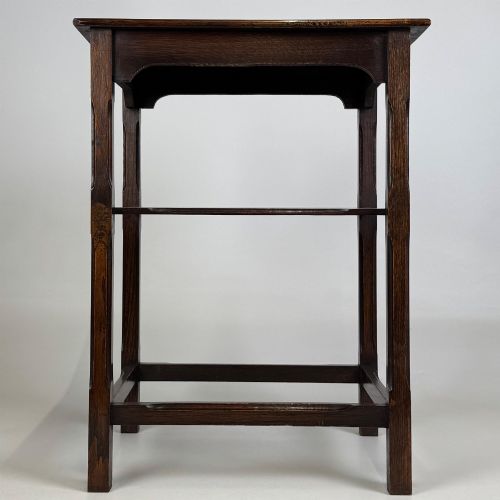
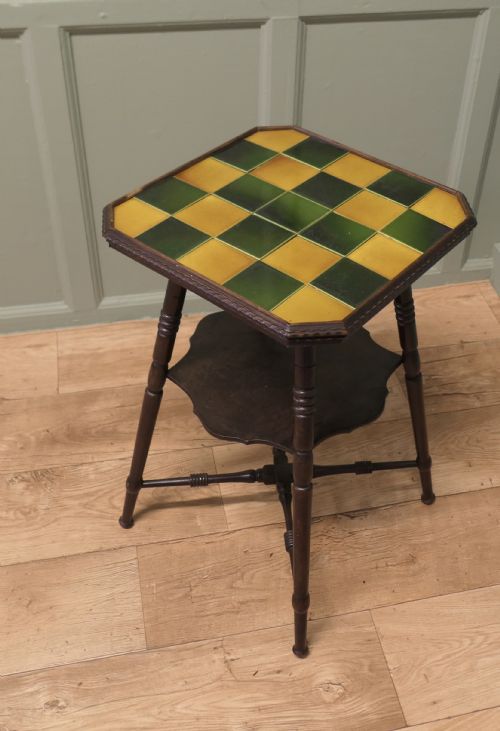
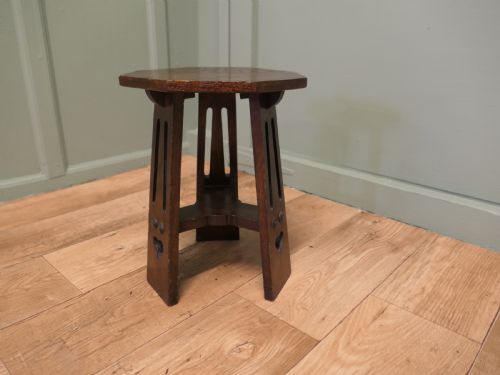
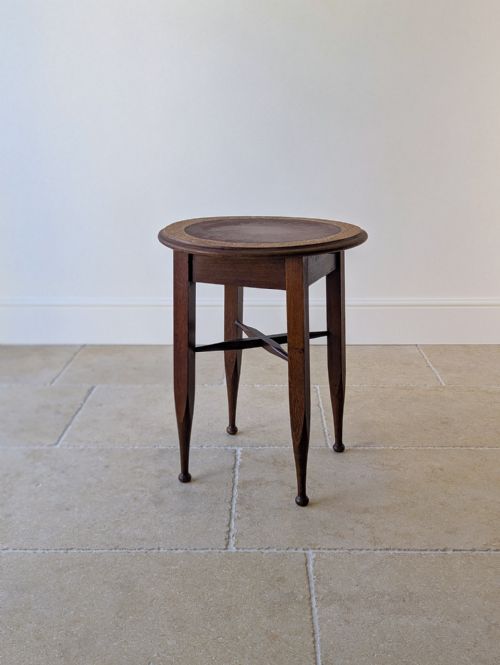
Dark Oak Plant Stand
A dark oak plant stand brings solidity and rich grain to a room, holding botanical displays upon sturdy wooden tops.
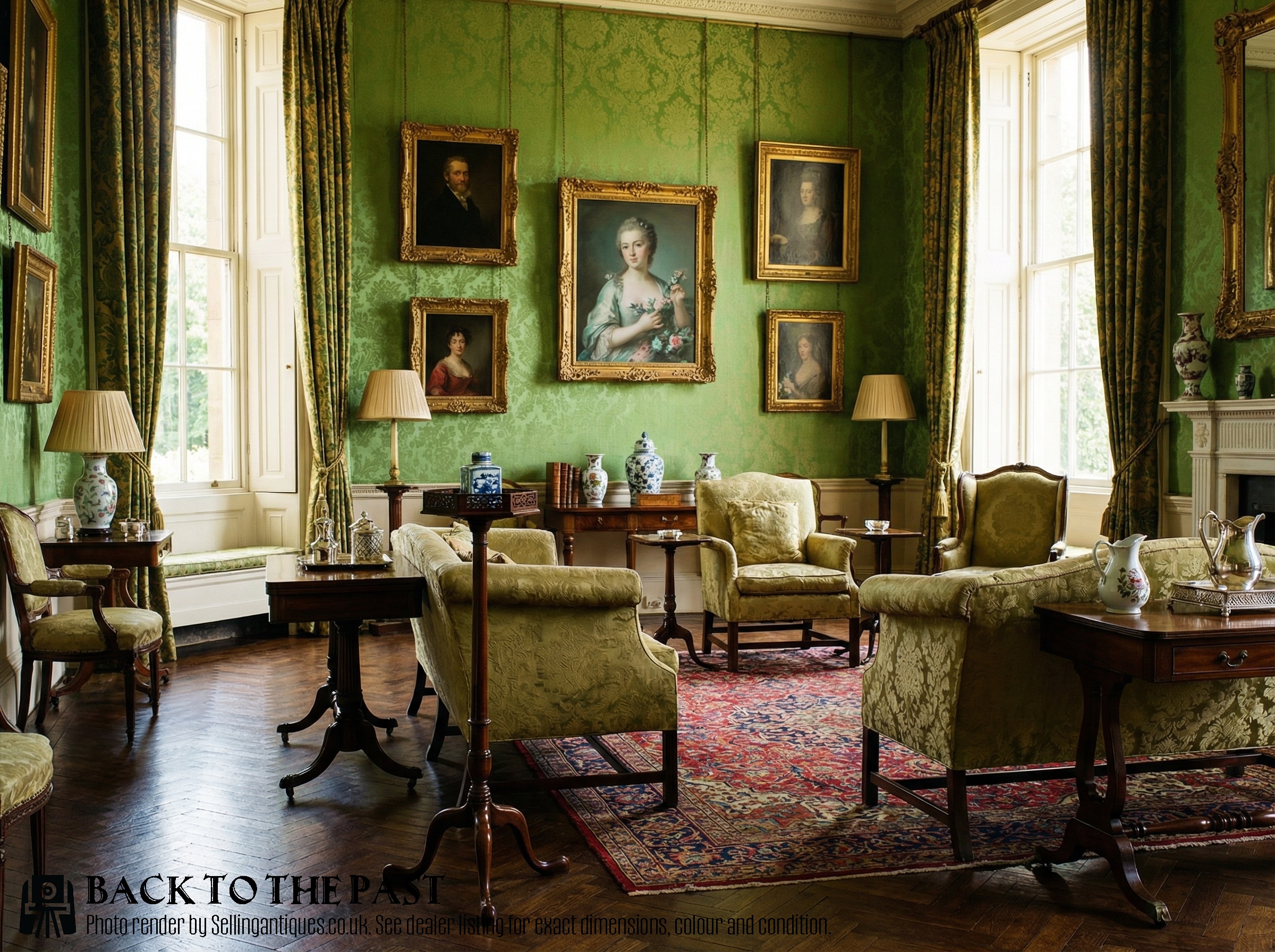
Dark Oak Plant Stand
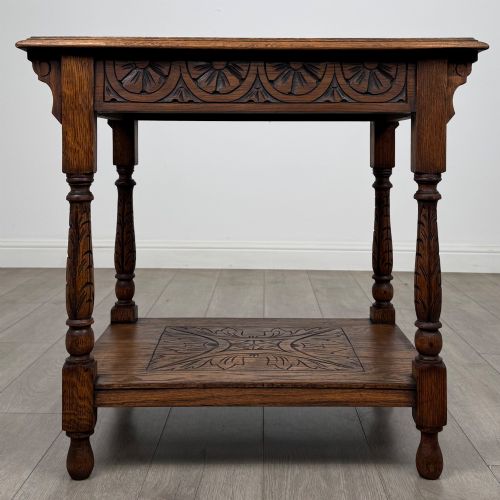
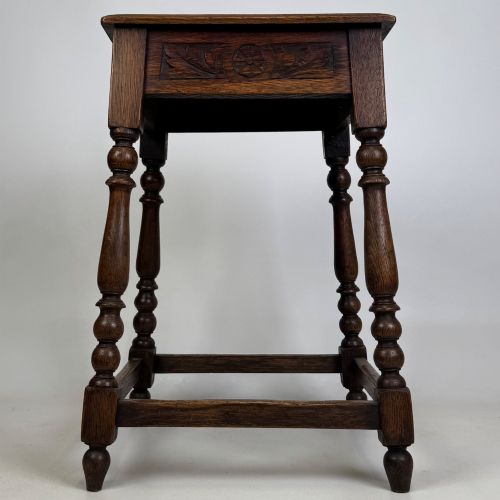
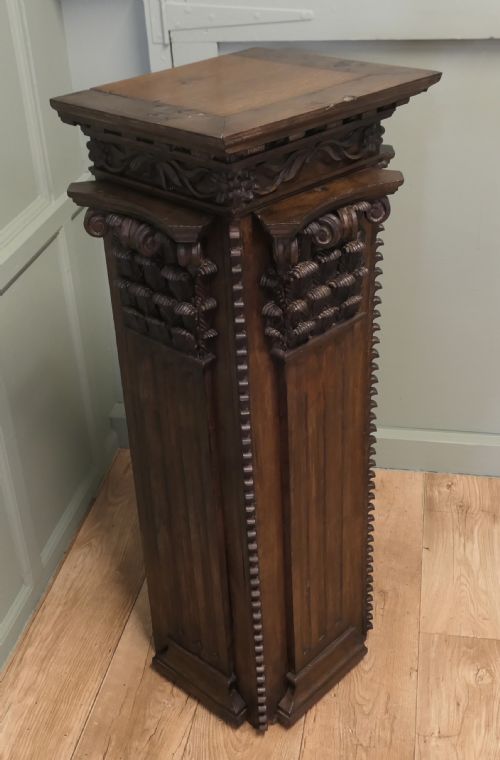
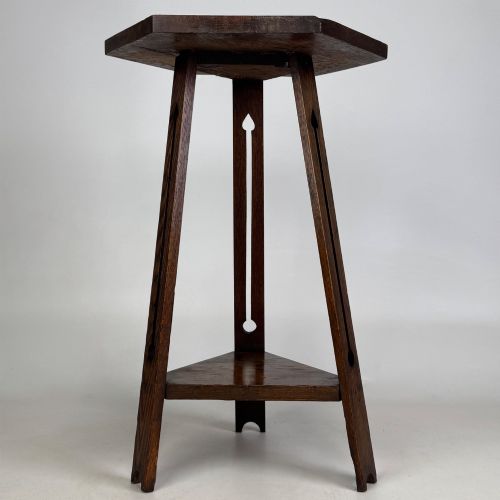
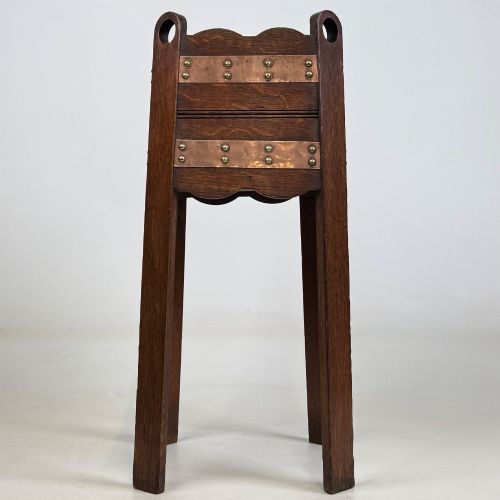
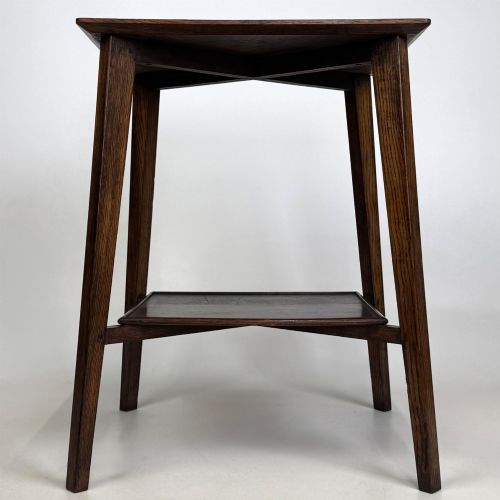
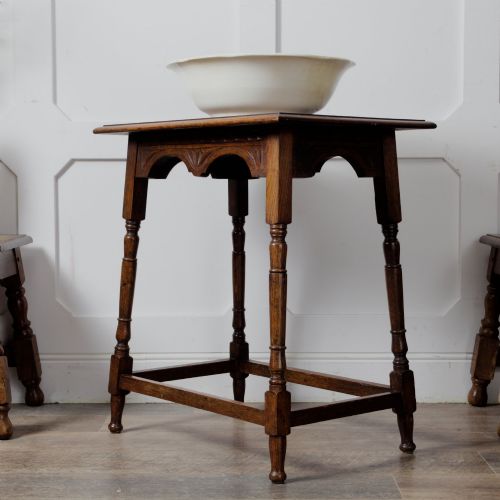
When you search for a dark oak plant stand, you encounter pieces shaped by Edwardian makers, Victorian joiners, and earlier craft traditions. These items often double as occasional tables, pedestals, or small display columns designed to elevate jardinieres and decorative pots.
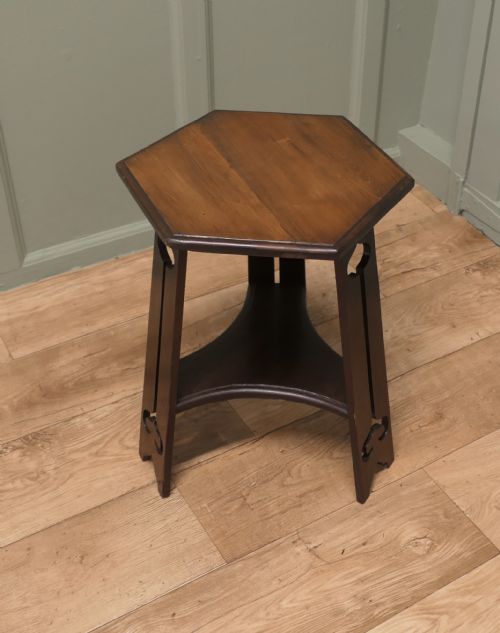
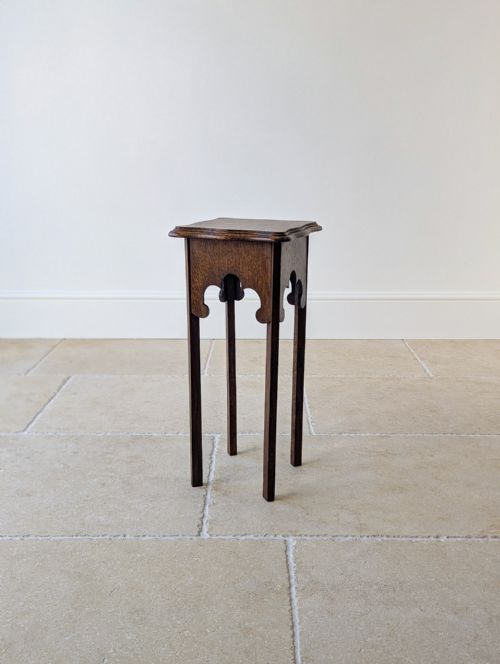
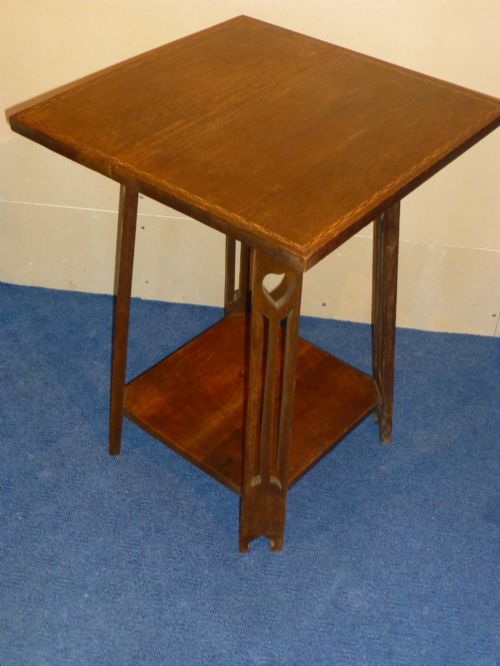
The version you are most likely to meet on this page dates from the late nineteenth or early twentieth century, carrying the distinct influence of the Arts and Crafts movement or Jacobean Revival. They appear in octagonal, square, and round formats, occasionally featuring two tiers for additional display space.
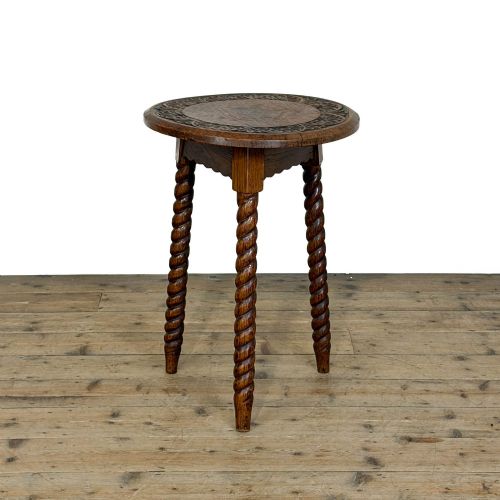
Beyond standard upright columns, the selection includes tripod cricket tables and clover-shaped side tables shaped from solid timber. Their origins span provincial English workshops to Liberty and Co. productions, reflecting a wide variety of domestic uses.
Materials and construction methods
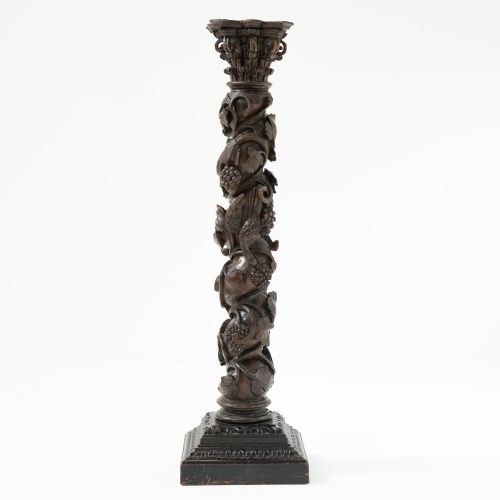
These items rely heavily on solid oak, chosen for its durability and strong visible grain, sometimes enhanced by wood inlay or ceramic tile inserts. Workshops employed traditional joinery techniques, utilising pegged joints, chip carving, and turned elements like barley twist stems or solomonic columns.
Surface treatments typically involve dark wax or polish applied to accentuate the natural figuring of the hardwood. Structural rigidity is achieved through sturdy tripod bases, cross stretchers, or jointed legs that support heavier ceramic pots and decorative objects.
Dark Oak Plant Stand Retail Price Guide 2026
Typical asking prices for dark oak plant stand among the pieces listed under this phrase on Sellingantiques today, from the lower quarter to the upper quarter. They describe what is for sale here now, not the wider market.
Design styles represented include Arts and Crafts, Gothic Revival, Jacobean Revival, and English Country traditions.
Judging the quality of a stand
The distinction between standard workshop items and finer pieces lies in the crispness of the carving and the selection of the timber. Finely executed chip carving, thoughtful geometric inlays, and balanced proportions elevate certain examples well above basic utility furniture.
Makers associated with known retail houses or design circles often exhibit superior structural articulation and refined turning. Pieces that retain their original rich surface patina and stable joinery demonstrate better long-term preservation.
Shapland and Petter·Liberty and Co·William Birch
The Dark Oak Plant Stand Glossary
- Arts and Crafts
- A design movement prioritising handcraftsmanship, simple forms, and honest materials. It rejected mass production in favour of traditional joinery and natural finishes.
- Barley Twist
- A type of furniture leg or column turned to resemble a twisting rope. This decorative motif appears frequently on British tables and stands from the Victorian and Edwardian eras.
- Jardiniere
- An ornamental pot or stand intended for holding plants or flowers. In antique contexts, it often designates furniture specifically built to support heavy botanical displays.
- Solomonic
- A column characterised by a helical twist running from base to capital. This classical architectural form was revived in seventeenth-century English furniture and reappears in later revival pieces.
- Trefoil
- A three-lobed decorative shape resembling clover leaves. It appears in the surface outlines and top designs of various period occasional tables.
Dark Oak Plant Stand: Frequently Asked Questions
What is a dark oak plant stand used for?
These pieces were originally built to elevate potted plants, ferns, and floral arrangements off cold floors to catch better light near windows.
Today, owners utilise them as versatile occasional tables for lamps, books, or displaying decorative ceramics in living spaces and hallways.
How do I distinguish Edwardian from Victorian oak furniture?
Victorian examples often display heavier, more exuberant ornamentation such as deep Gothic carving or substantial barley twist turnings. Edwardian versions tend toward lighter Arts and Crafts influences with cleaner lines and restrained geometric decoration.
Examining the construction methods and under-framing helps clarify the exact period of manufacture.
Are these stands strong enough for heavy pots?
Solid hardwood construction and sturdy tripod or four-legged bases provide considerable load-bearing capacity for standard ceramic jardinieres.
Checking the stability of the central column and leg joints ensures the piece safely supports heavy items without wobbling.
How should I care for antique oak wood?
Maintain the finish by dusting regularly with a dry cloth and applying natural beeswax periodically to nourish the dry timber. Avoid placing these items near direct heat sources or in damp environments to prevent wood splitting.