



Edwardian Oak Plant Pedestal
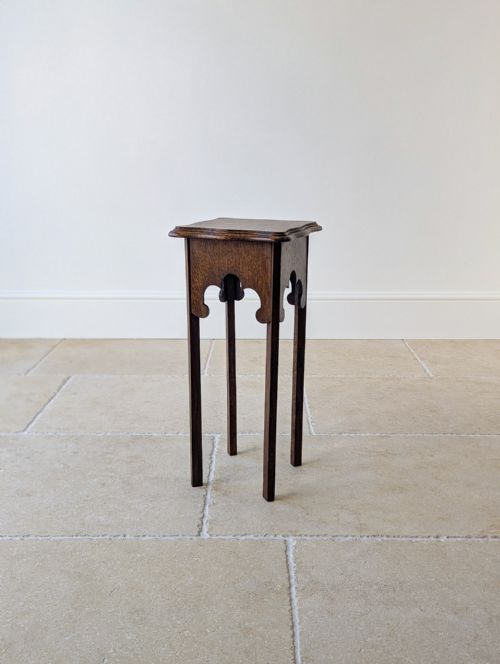
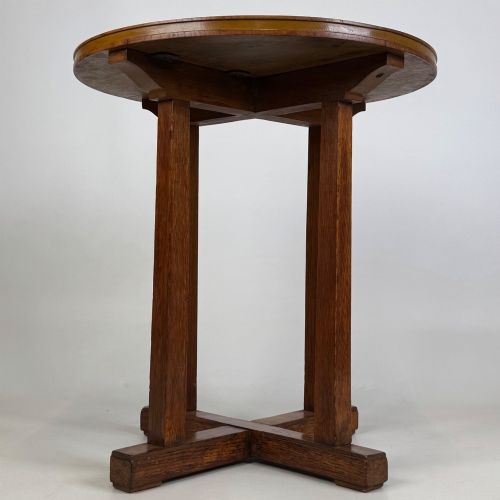
These edwardian oak plant pedestal pieces hold heavy pots and display lamps with solid timber strength.
Edwardian Oak Plant Pedestal
An edwardian oak plant pedestal serves primarily to elevate floral displays and jardinieres in domestic interiors. The listings on this page span the Edwardian period, Victorian era, and the nineteen twenties.
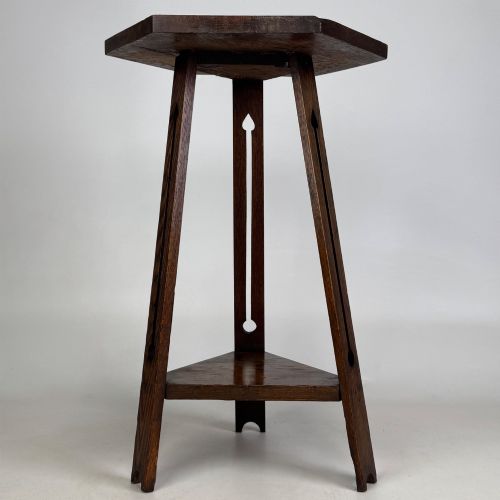
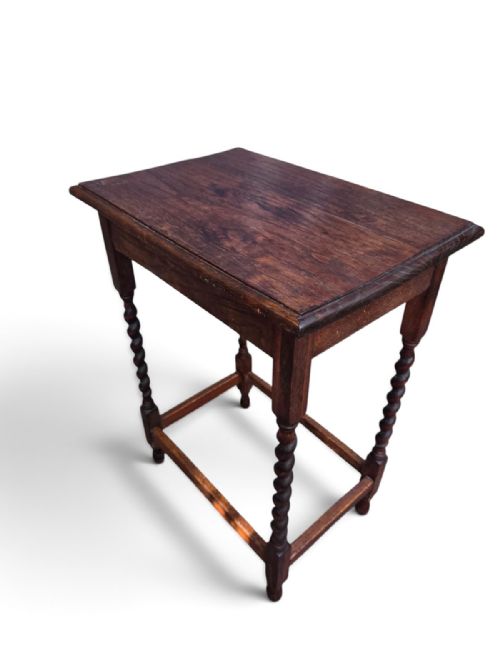
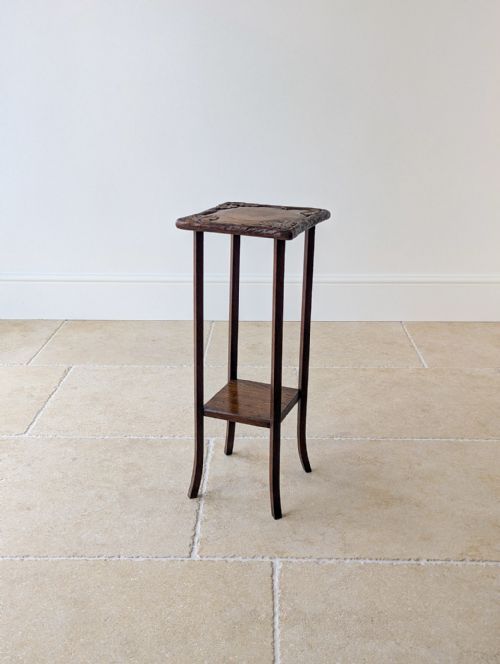
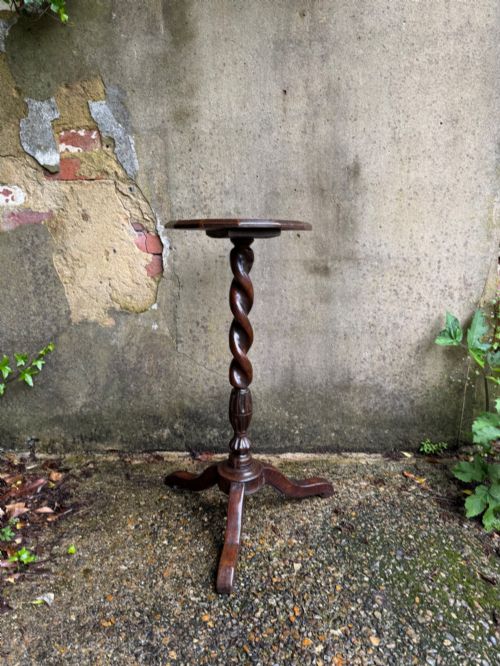
Forms include round and rectangular occasional tables, two-tier plant stands, and tall spiral pillars. Coopered barrel designs and classical column shapes appear frequently among the standing pieces.
Origins trace through English country workshops and Arts and Crafts studios. These sturdy stands function equally well as lamp tables or display surfaces in sitting rooms.
Materials and construction
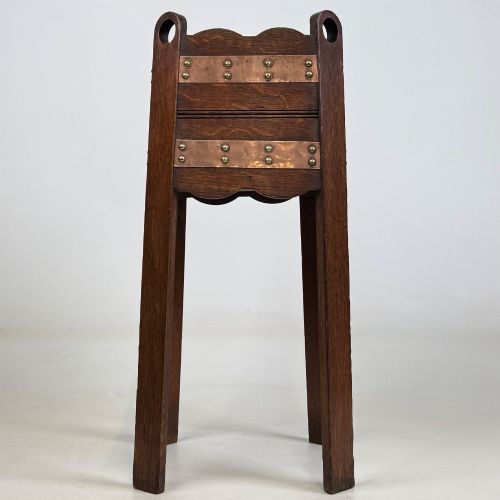
Solid oak provides the structural framework for nearly every piece, sometimes accented with golden tones. Coopered construction utilises curved staves bound with brass or copper bands for water-resistant planters.
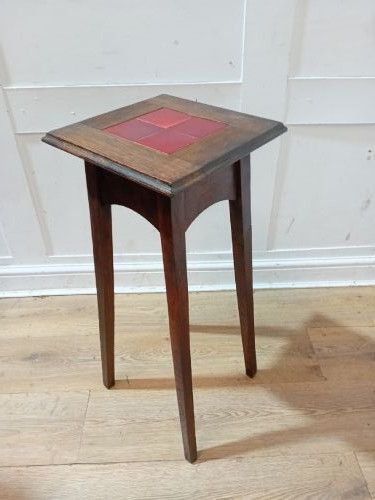
Turned woodwork creates barley twist legs and spiral pillars using lathe techniques. Ceramic tiles occasionally inset into table tops offer protection against damp flower pots.
A sturdy coopered oak barrel planter ensures your indoor fern lives its best elevated life.
What separates the best examples
Superior execution shows in the precision of the timber joints and the crispness of turned barley twist legs. Heavy brass or copper hardware on coopered stands indicates higher workshop standards.
Design ambition separates basic round tables from detailed Arts and Crafts pieces with integrated lower tiers and carved decorative elements.
Baillie Scott
The Edwardian Oak Plant Pedestal Glossary
- Barley twist
- A spiral turning resembling a twisted rope, common on table legs and support pillars. This decorative technique requires skilled lathe work.
- Coopered
- Made from curved wooden staves assembled together like a barrel. Metal bands typically secure these watertight planters.
- Jardiniere stand
- A tall piece of furniture designed specifically to hold a large plant pot or flower bowl. These elevate greenery to eye level in a room.
- Arts and Crafts
- A design movement favouring honest construction and material integrity over excessive machine ornamentation. Pieces often display simple joinery and functional forms.
Edwardian Oak Plant Pedestal: Frequently Asked Questions
What is an edwardian oak plant pedestal?
An edwardian oak plant pedestal is a tall, sturdy stand built to support flower pots, jardinieres, or lamps. These wooden pieces elevate plants off the floor for better visibility in a room.
Most examples feature solid oak construction, sometimes with turned barley twist legs or coopered barrel bodies. They double easily as compact occasional tables.
How were plant stands used historically?
Historically, plant stands placed large ferns and flowering plants near windows where they received adequate sunlight. Wealthy households used them in hallways and reception rooms to display decorative greenery.
Later periods saw them repurposed as lamp tables or display surfaces for ornaments. Their small footprint made them versatile additions to Victorian and Edwardian parlours.
How do I care for an oak plant stand?
Protect the timber surface from water damage by using saucers under plant pots. Regular dusting and occasional application of beeswax maintain the finish.
Keep wooden stands away from direct heat sources and radiators to prevent the oak from splitting. Check metal bands on coopered planters periodically to ensure they remain secure.
How do I tell Victorian from Edwardian stands?
Victorian stands tend to feature heavier proportions, darker finishes, and more ornate carved details. Edwardian and later pieces often lean towards lighter oak tones and simpler Arts and Crafts lines.
Turned spiral pillars and barley twist legs appear across both eras, making wood colour and construction style key indicators of age.