
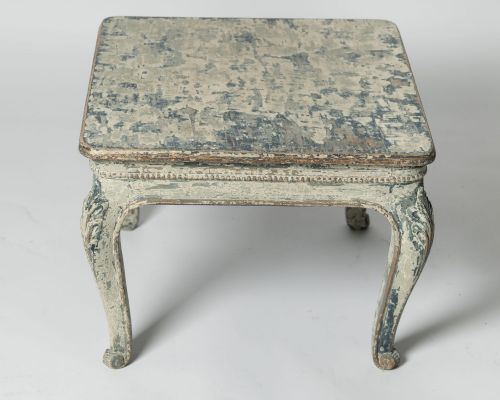
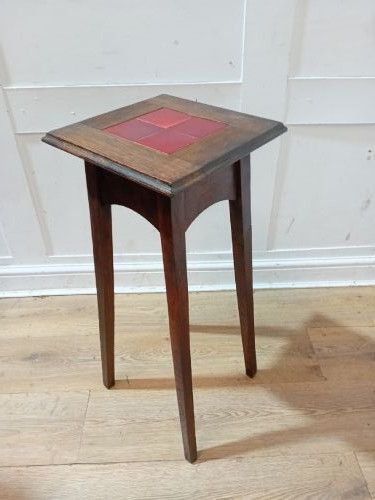
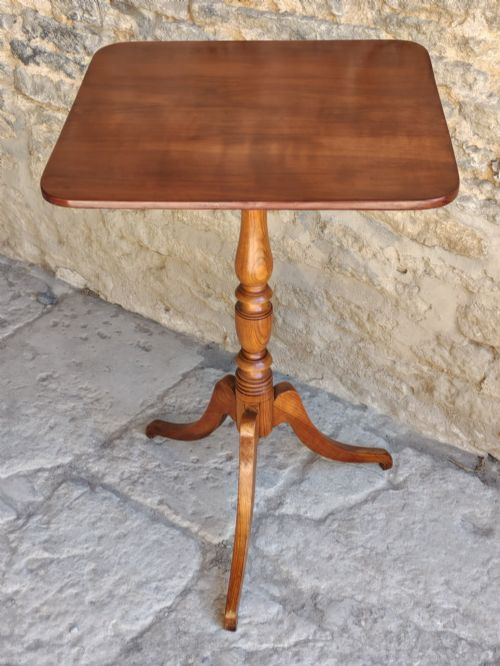
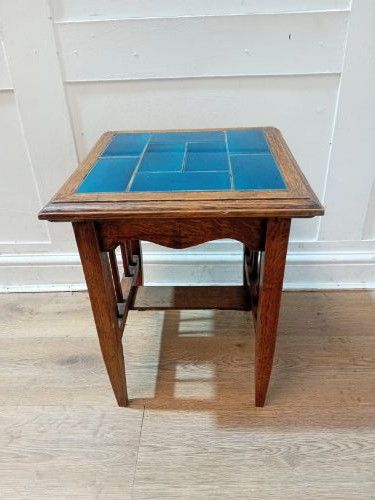

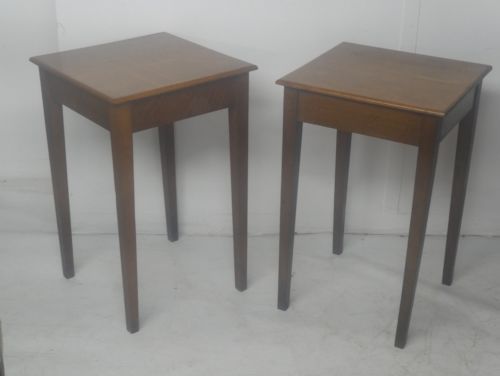
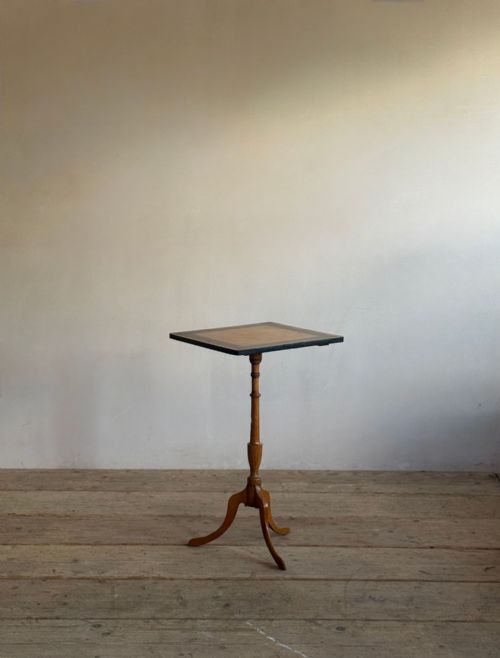


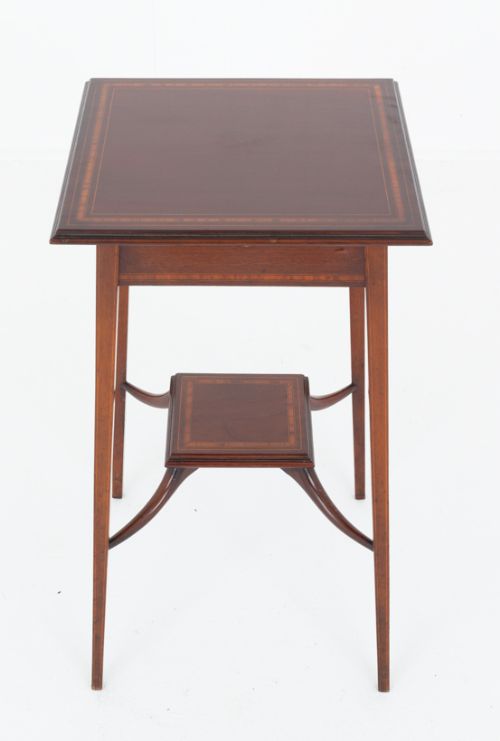
Small Square Accent Table
A small square accent table brings compact utility and period character to a room, offering surface space without crowding the floor.
Small Square Accent Table
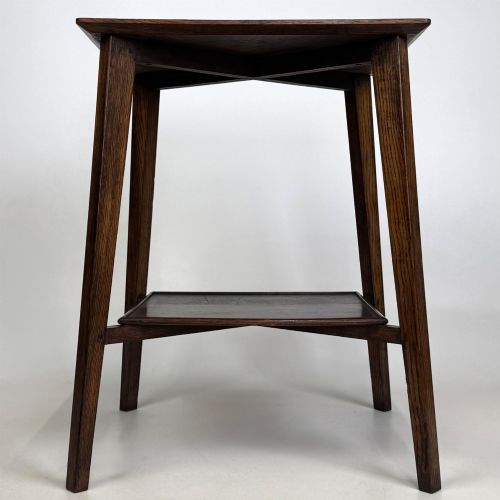
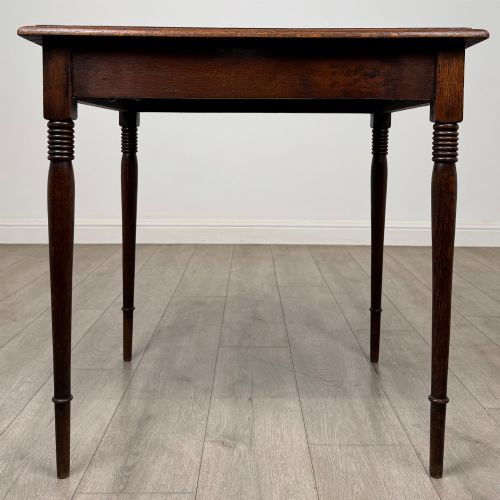
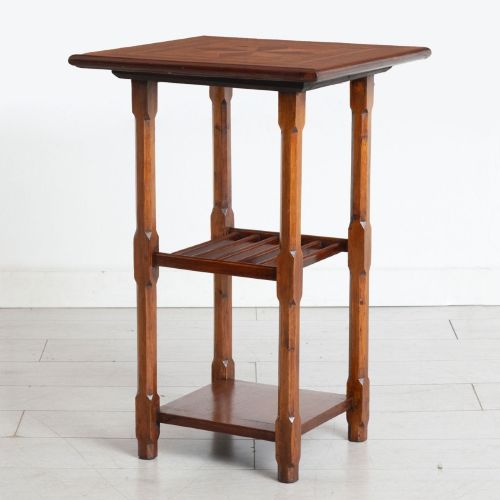
When you search for a small square accent table, you find a versatile piece designed to sit beside seating or in a corner, functioning as a side, lamp, or occasional table. These pieces serve practical needs while displaying the craftsmanship of various historical periods.
The selection ranges from Edwardian and Arts & Crafts oak examples to earlier Georgian and Regency designs in mahogany, rosewood, and fruitwood. Occasional tables and side tables dominate the offerings, often featuring compact tops suitable for lamps or drinks.
Origins span British and French workshops, with specific regional variations such as Scottish oak lamp tables and French side tables appearing alongside standard domestic forms. Each piece reflects the aesthetic preferences and interior requirements of its era.
Materials and construction
Timbers dictate the primary construction of these tables, with oak, mahogany, and fruitwood providing sturdy frames and surfaces. Cabinetmakers utilised decorative veneers like satinwood, burr yew, and specimen woods to create visual interest on tabletops.
Construction techniques include traditional joinery for wooden frames, tripod bases for pillar tables, and occasional inclusions of ceramic tiles or painted decoration. Brass fittings and specialised carving, such as work associated with Liberty of London, add distinct finish details to the pieces.
Materials recorded across the inventory include oak, mahogany, brass, paint, ceramic tile, satinwood, fruitwood, and specimen wood.
Assessing quality
Quality rests in the selection of timber and the precision of the joinery, distinguishing straightforward utility items from pieces designed with finer decorative ambition. Grain choice in mahogany, oak, or burr yew reveals the maker's intent.
Subtleties in carved detail, the integration of specialised elements like ceramic tiles or penwork decoration, and the reputation of makers such as Baillie Scott elevate certain pieces. Structural integrity and surface preservation determine the lasting standing of each table.
Baillie Scott·Liberty of London
The Small Square Accent Table Glossary
- Occasional table
- A small, movable table designed for intermittent use in a room, often placed beside a chair or sofa. These pieces prioritize versatility and compact footprints.
- Pembroke table
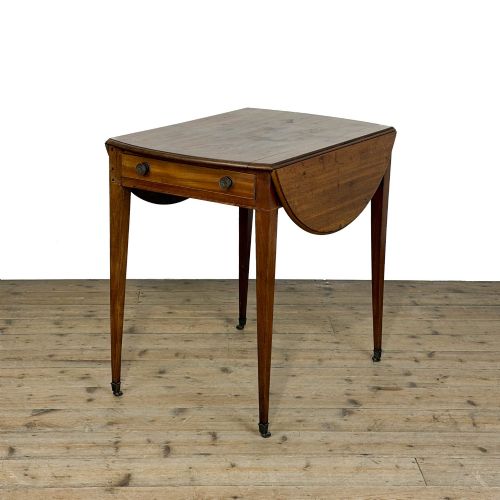
- A small table featuring hinged flaps on two opposite sides that can be raised to expand the surface area. They often include a single drawer.
- Tripod table
- A freestanding table supported by a single central pillar resting on three feet. This design allows the table to remain stable on uneven floors.
- Jardiniere stand
- A tall, slender table or stand specifically built to hold a plant pot or flower arrangement. They frequently appear in Arts & Crafts contexts.
Small Square Accent Table: Frequently Asked Questions
Where should I place a small accent table?
These tables fit easily beside armchairs, sofas, or in neglected corners where surface space is needed without blocking walkways. Their compact footprints make them adaptable to hallways, bedrooms, and drawing rooms alike.
Because many examples feature finished backs and detailed timber grains, they look correct when viewed from multiple angles in an open room layout.
How do I identify an Edwardian accent table?
Edwardian tables often display lighter timbers like oak or mahogany, sometimes utilising Sheraton Revival inlay motifs. Construction is typically sturdy yet refined, reflecting the domestic comfort prioritized during that period.
Look for honest joinery, straightforward forms, and occasional nods to earlier historic styles without heavy Victorian ornamentation.
What is the difference between a side table and a lamp table?
In historical listings, side tables and lamp tables often overlap in function, though lamp tables traditionally offer a stable surface specifically scaled for lighting. Both terms describe compact tables meant to support small objects near seating.
Proportions vary slightly depending on whether the piece was intended to hold a heavy oil lamp or simply serve as a general resting spot for books.
How do I care for antique wood surfaces?
Maintain timber surfaces by dusting with a dry cloth and avoiding placement near direct heat sources or strong sunlight. Proper humidity levels prevent wood from drying out or cracking over time.
Wax polishing can be applied sparingly to nourish the grain, depending on the original finish of the piece.