



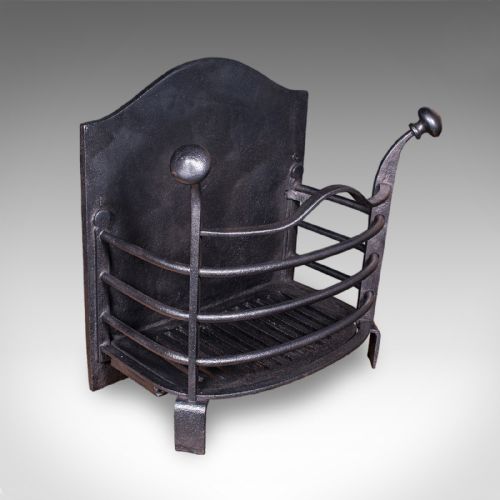
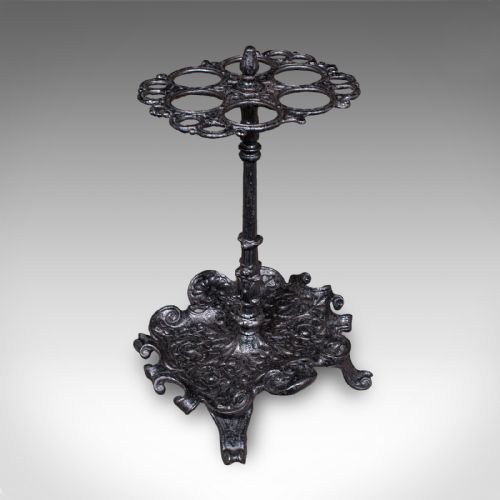
Antique Cast Iron Stand
An antique cast iron stand brings robust utility and sculptural form to a hallway or entrance.
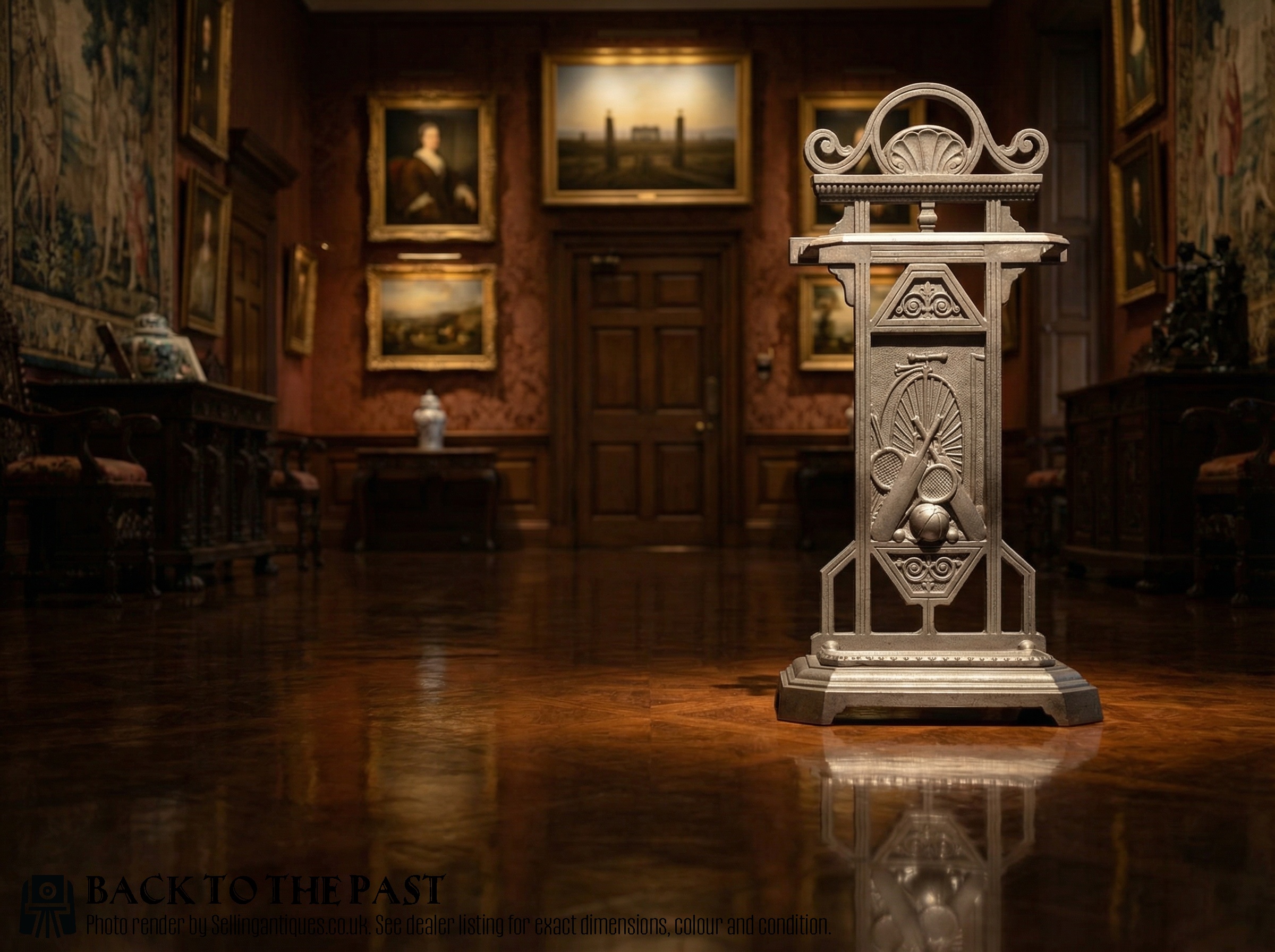
Antique Cast Iron Stand
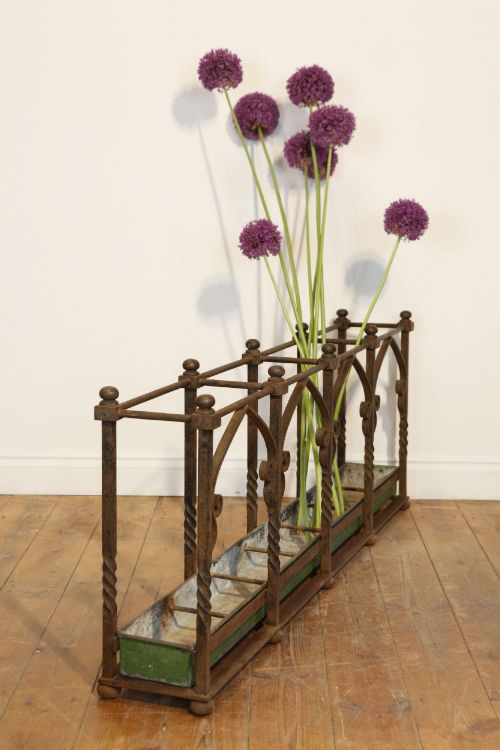
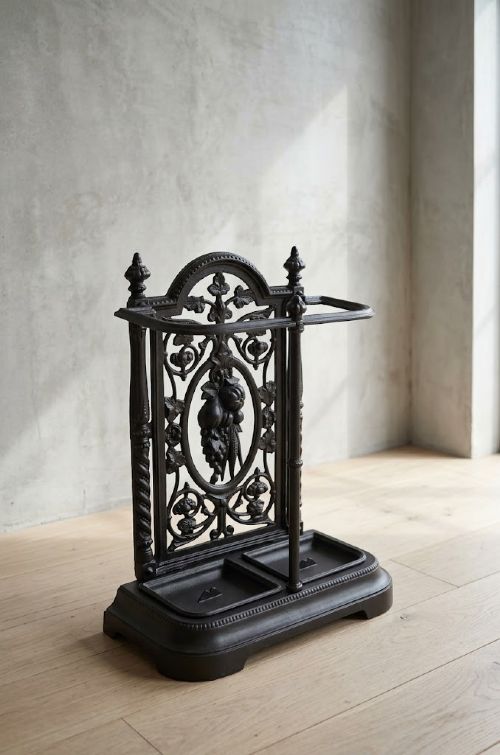
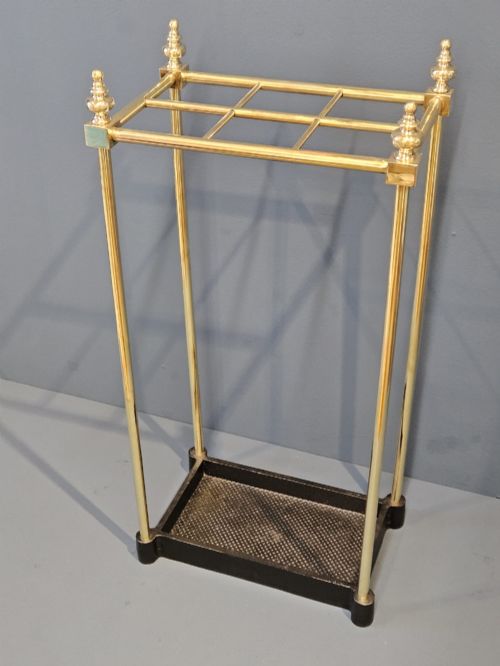
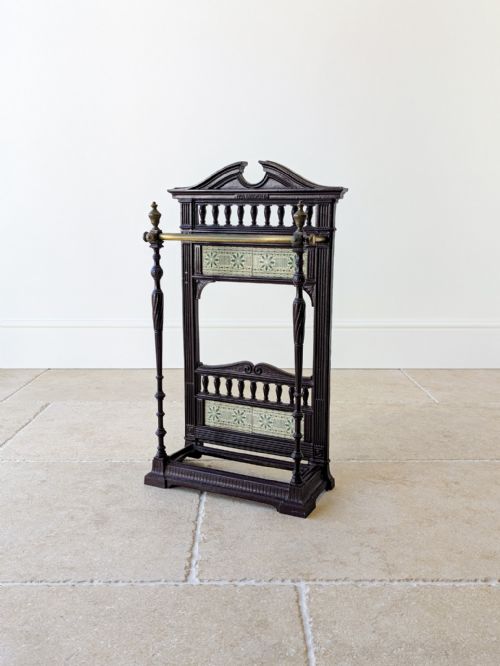
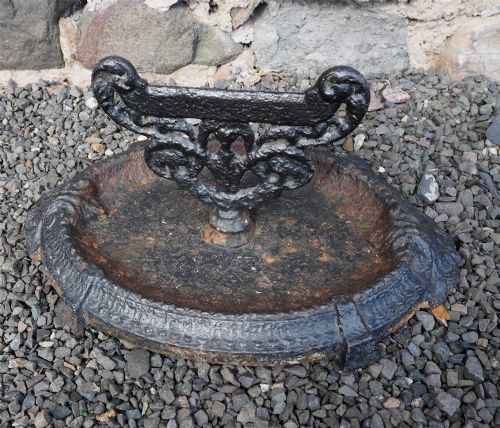
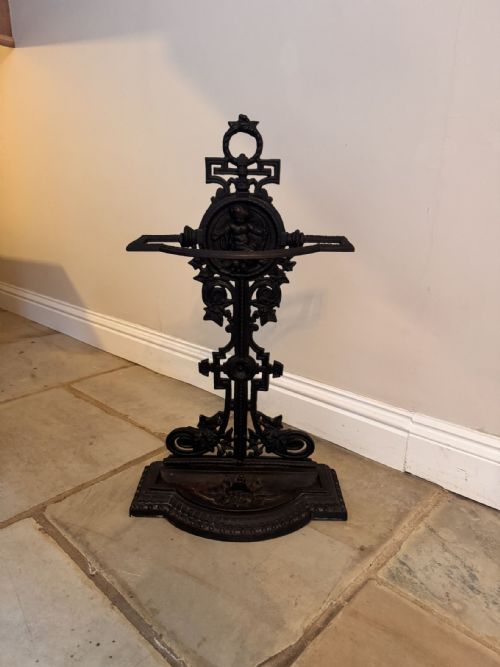
When you search for an antique cast iron stand, you encounter heavy functional furnishings designed primarily to hold umbrellas, walking sticks, coats, and hallway accessories. The forms range from compact corner umbrella holders and demi-lune racks to grand Victorian hall stands incorporating boot scrapers, plant pots, and display surfaces.
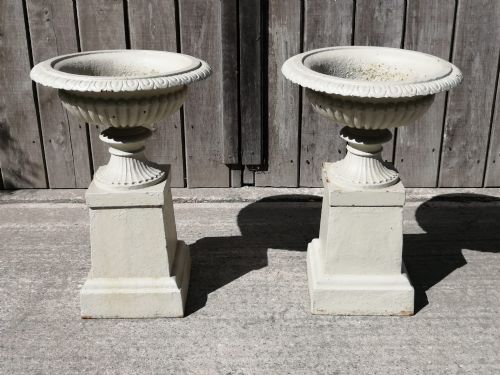
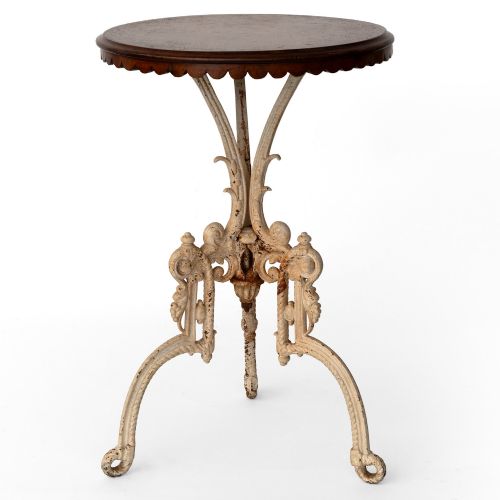
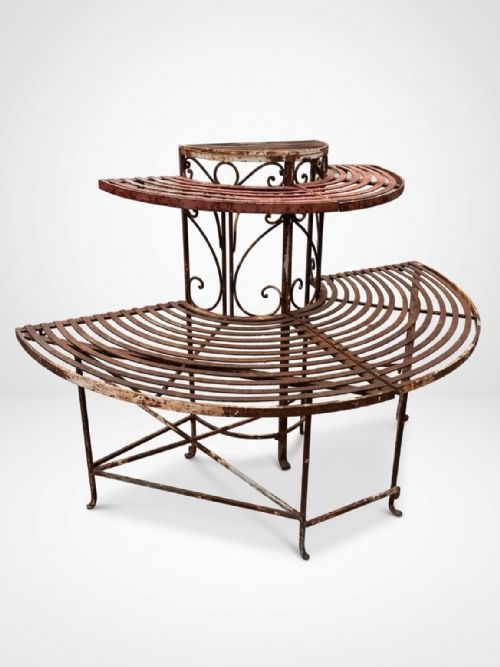
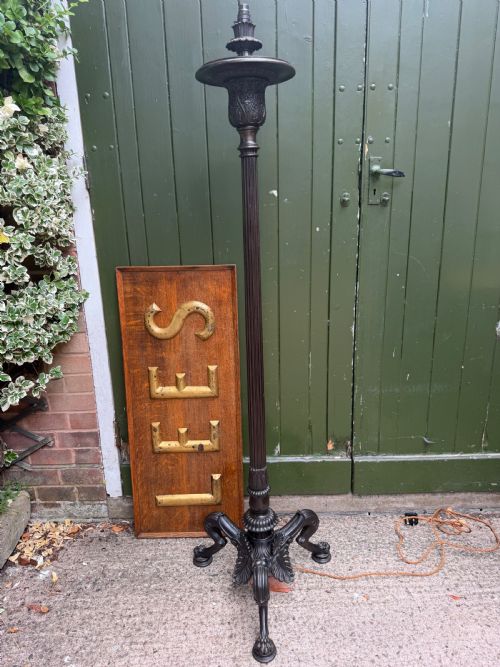
The pieces on this page span the Victorian and Edwardian eras through to the early twentieth century, drawing on aesthetic movements that favoured both intricate plant motifs and stark industrial utility. Alongside domestic hall furniture, the selections include garden urns, plant stands, and standard lamps cast from durable metal.
Originating largely from British and French foundries, these objects combine utilitarian strength with the ornate decorative tastes of the nineteenth century. Whether through faux bamboo mouldings or classical Grecian designs, each stand was built to endure heavy daily use while defining an interior threshold.
How they were made
Foundries produced these items by pouring molten iron into sand moulds, a process that allowed for sharp relief work and complex openwork patterns. Many pieces combine cast iron with wrought iron framework, brass fittings, or applied white enamel and bronze patinated finishes.
Makers utilised structural assembly techniques, bolting together separate cast sections to create rigid frames capable of supporting damp umbrellas and heavy walking sticks. Drip trays formed from matching cast iron or removable metal were integrated at the base to protect interior floors.
Antique Cast Iron Stand Retail Price Guide 2026
Typical asking prices for cast iron stand among the pieces listed under this phrase on Sellingantiques today, from the lower quarter to the upper quarter. They describe what is for sale here now, not the wider market.
Several Victorian stands incorporate cast iron dogs sitting faithfully at the base, guarding the umbrellas from unknown borrowers.
What varies in quality
Quality in these stands rests upon the crispness of the casting and the depth of the decorative detail. Finer examples display sharp, cleanly rendered foliage, animal figures, or architectural mouldings without the blurring typical of worn production moulds.
Structural integrity and the presence of original components define the upper tier of pieces. Stands retaining their original drip trays, undamaged openwork sections, and manufacturer stamps demonstrate superior preservation and craftsmanship.
Coalbrookdale·Thomas Jeckyll·Osborne Garrett & Co
The Antique Cast Iron Stand Glossary
- Demi-lune
- Half-moon shape designed to sit flush against a hallway wall. This configuration maximises floor space in narrow corridors while accommodating walking sticks and umbrellas.
- Faux bamboo
- Moulded or cast imitation of bamboo cane popular during the late nineteenth century. It reflects the era's fascination with Japanese aesthetic influences.
- Boot scraper
- A heavy iron blade fixed near an entrance to remove mud from footwear. They frequently appear integrated into the base of larger Victorian hall stands.
- Drip tray
- A shallow metal or cast pan positioned beneath umbrella divisions to catch moisture. Original trays are essential components for historical accuracy.
- Foundry mark
- A stamp, registry diamond, or raised signature cast into the iron by the maker. These marks identify the producing foundry and date of manufacture.
Antique Cast Iron Stand: Frequently Asked Questions
How do I clean an antique cast iron stand?
Remove accumulated dust using a soft brush and wipe metal surfaces with a lightly oiled cloth to protect the finish. Avoid harsh chemical cleaners that strip the historical patina.
Ensure the piece is thoroughly dried if exposed to moisture from wet umbrellas to prevent active corrosion in unpainted areas.
Were all cast iron stands made for hallways?
While the majority function as umbrella and stick holders or hall coat stands, the category includes garden urns, plant stands, and standard lamps. Foundries adapted the material for both interior display and exterior weather resistance.
Functional crossover pieces often served multiple roles in country houses, acting as fire tool holders or plant supports depending on the season.
How do I identify a Victorian piece?
Victorian examples frequently display registration diamond marks, heavy ornamentation, or gothic and aesthetic movement design motifs. The weight and thickness of the casting typically reflect nineteenth-century foundry standards.
Stylistic cues such as faux bamboo framing, naturalistic plant forms, and seated dog figures point directly to the later decades of the nineteenth century.
Are drip trays usually original?
Original drip trays feature matching patination, precise fitment within the base frame, and appropriate wear consistent with the rest of the stand. Replacements are common due to rust and moisture damage over time.
A matching metal or cast iron tray enhances the completeness and historical integrity of the piece.