



Gothic Revival Column Stand
A gothic revival column stand brings unmistakable ecclesiastical presence into a room, offering elevated support for sculpture, plants or light.
Gothic Revival Column Stand
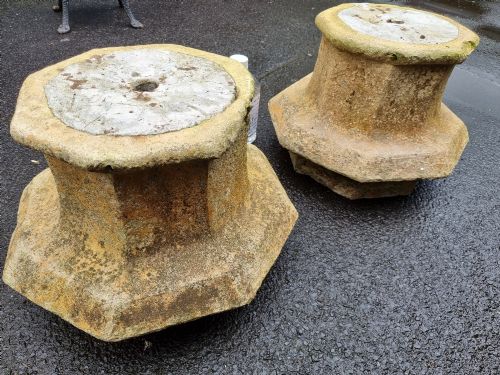
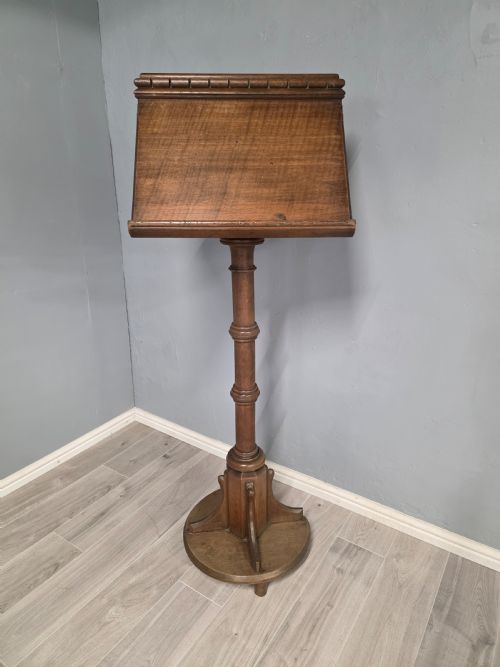
A gothic revival column stand draws on medieval architecture, church furnishings and classical revivalism to support decorative objects in domestic and ecclesiastical interiors. When searching for a gothic revival column stand, buyers encounter tall pedestals, torchere stands, garden plinths and architectural plant stands dating from the nineteenth century. These forms utilise vertical timber shafts, composite stone columns and carved spiral designs to command attention in a hallway or drawing room.
The pieces listed on this page span the nineteenth century, including specific dates such as eighteen-sixty and nineteen-twenty, alongside broader Victorian and early nineteenth-century periods. Stylistic influences extend beyond pure Gothic Revival to encompass Byzantine, Renaissance and Rococo revivals, reflecting the eclectic tastes of Victorian designers. Forms range from heavy oak caryatid pedestals to decorated garden plinths and ecclesiastical candlesticks adapted for display.
Materials and construction methods
Makers utilised solid timber such as oak and carved wood to construct sturdy load-bearing columns and pedestals, often employing deep relief carving for figures and architectural motifs. Spiral columns and caryatids required skilled hand-chiselling to achieve complex, twisting profiles and supporting structural figures.
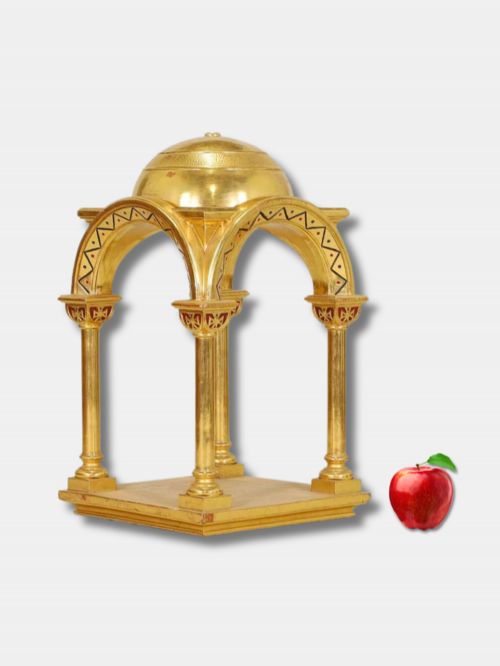
Surface finish played a vital role in historical production, incorporating gesso, paint, pigment and giltwood to highlight architectural details like zigzag decoration and tabernacle Domes. For outdoor use, composite stone provided weather-resistant durability while maintaining the heavy, masonry-like appearance of medieval stone architecture.
Gothic Revival Column Stand Retail Price Guide 2026
Typical asking prices for gothic revival column stand among the pieces listed under this phrase on Sellingantiques today, from the lower quarter to the upper quarter. They describe what is for sale here now, not the wider market.
Historical styles represented span Gothic Revival, Victorian Gothic Revival, Byzantine Revival, Renaissance Revival and Rococo Revival.
Judging quality in architectural stands
Quality rests upon the depth and precision of the hand-carved detail, distinguishing master craftsmanship from straightforward production-line carpentry. Crisp lines in carved oak caryatids and well-defined mouldings on giltwood tabernacle tops indicate superior workshop output.
The choice of base material and structural integrity dictate the longevity of the piece, particularly where composite stone or heavy timber supports considerable weight. Superior surfaces retain original gesso, pigment and gilding with minimal intervention, preserving the tactile authenticity of the period.
T Thomason and Co
The Gothic Revival Column Stand Glossary
- Gothic Revival
- An architectural and decorative style drawing inspiration from medieval ecclesiastical buildings, pointed arches and stone tracery. This aesthetic dominated nineteenth-century design across furniture and furnishings.
- Caryatid
- A carved human figure serving as an architectural support in place of a traditional column or pilaster. These figures often appear beneath the capital of pedestals.
- Torchere
- A tall stand or candlestick originally designed to hold a torch or single candle, later adapted as a decorative plant or sculpture pedestal. These slender forms elevate display items above floor level.
- Giltwood
- Timber that has been coated with fine gold leaf or gold paint over a prepared gesso ground. This technique added opulent reflectivity to ecclesiastical and domestic furnishings.
- Tabernacle
- A heavily ornamented, canopied structure or cabinet, often featuring a domed top and architectural enrichment. In revival pieces, this form provides a dramatic vertical focal point.
Gothic Revival Column Stand: Frequently Asked Questions
What periods do these architectural stands cover?
The available selection primarily encompasses nineteenth-century manufacturing, stretching from early nineteenth-century composite stone garden plinths to pieces dated around nineteen-twenty.
Victorian iterations dominate the material record, frequently blending Gothic Revival principles with Byzantine and Renaissance revival styles.
How were wooden pedestals constructed originally?
Woodworkers relied on solid oak and carved timber, utilising hand-chiselled techniques to form spiral columns, caryatids and decorative shafts.
Surfaces were frequently finished with gesso, paint, pigment or giltwood to accentuate architectural relief work.
Can these column stands support heavy sculpture?
Sturdy timber columns and composite stone plinths were engineered specifically to bear substantial weight for display purposes.
Buyers should examine the structural base and weight distribution of each individual stand before mounting heavy bronze or stone items.