
Victorian Architectural Salvage
Victorian architectural salvage brings period character straight into modern interiors through authentic fragments like carved timber, heavy metalwork and stone pillar caps.
Understanding Victorian Architectural Salvage
Victorian architectural salvage spans functional metal hardware, structural masonry and decorative timber details rescued from period buildings. Buyers searching for victorian architectural salvage want genuine historical elements that anchor a restoration project or add period weight to a contemporary space.
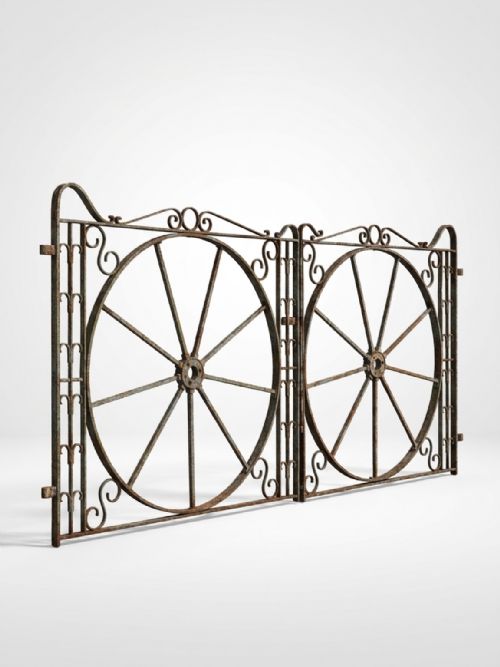
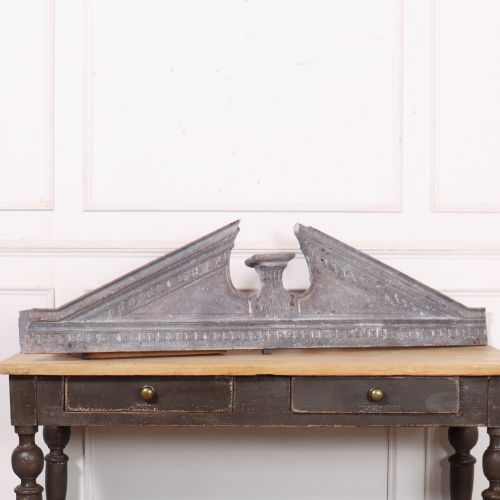
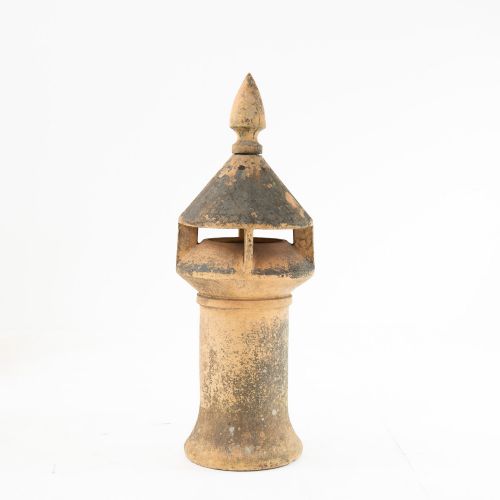
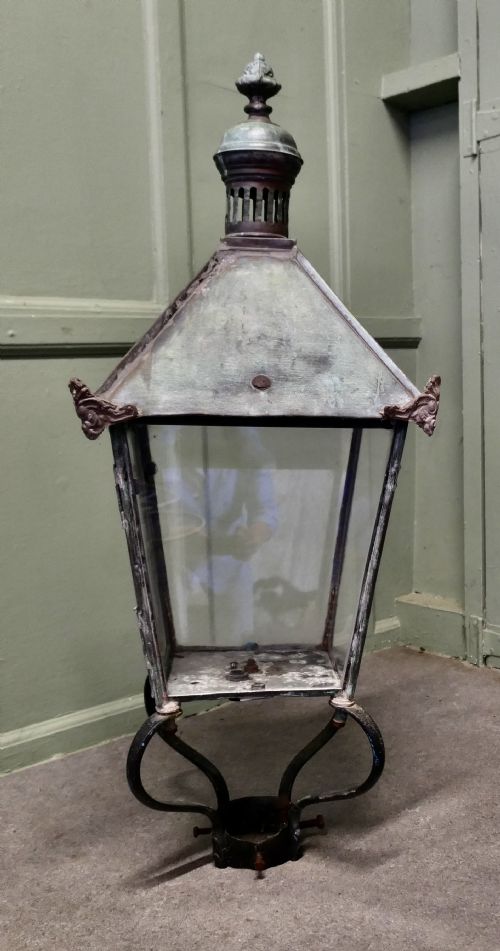
The selections on this page draw from the Victorian era alongside related 19th-century pieces, featuring substantial items such as arched top riveted gates, overdoor pediments and Cornish granite pillar caps. Smaller items like brass letter boxes, door knockers and hinges also appear frequently.
Stylistic influences range across Victorian Gothic Revival, Neoclassical and Neo-Renaissance designs. These objects reflect the heavy industrial output and decorative ambition of the 19th century, preserved in materials built to outlast their original structures.
Materials and Construction
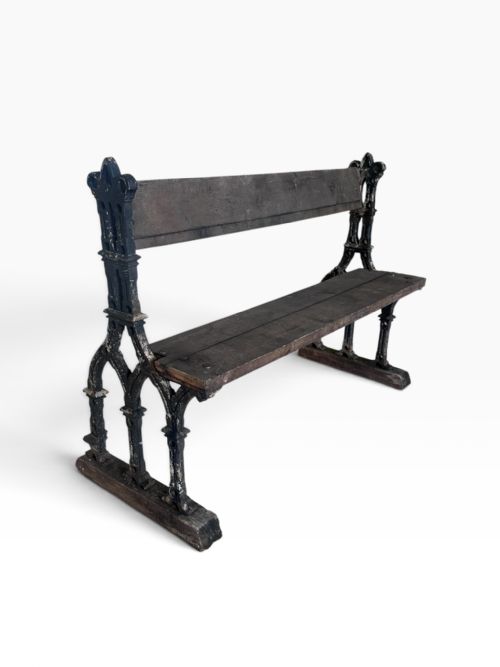
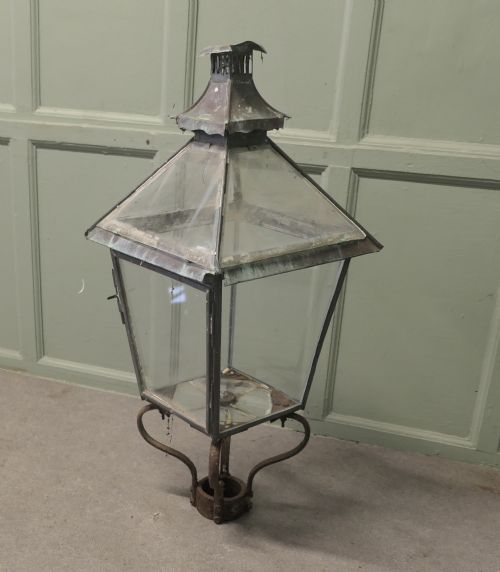
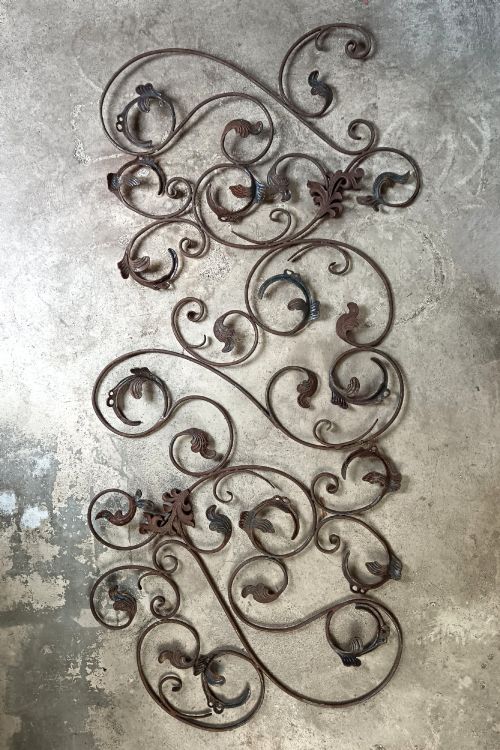
Metalwork relies on robust casting and forging techniques, utilising cast iron, wrought iron, zinc, lead and brass. Items such as door knockers and hinges demonstrate precise casting and riveted assembly designed for heavy daily use.
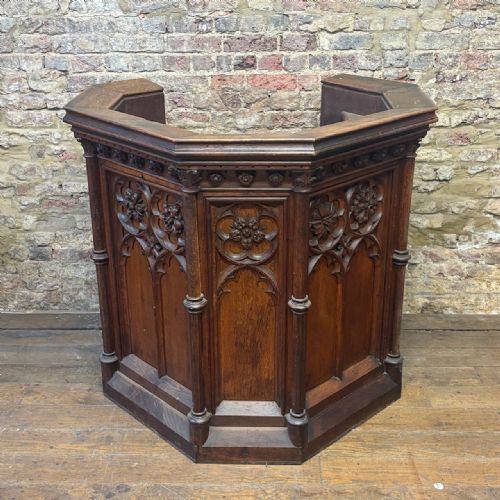
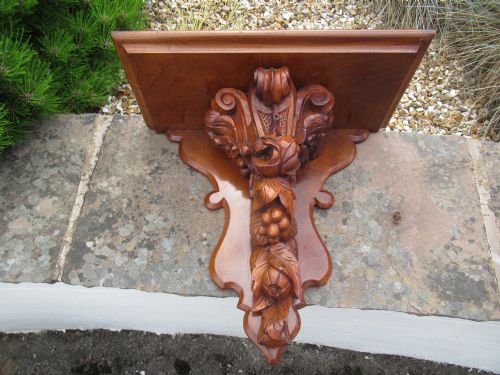
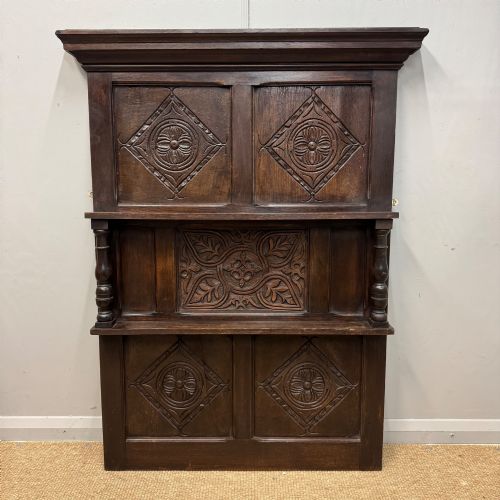
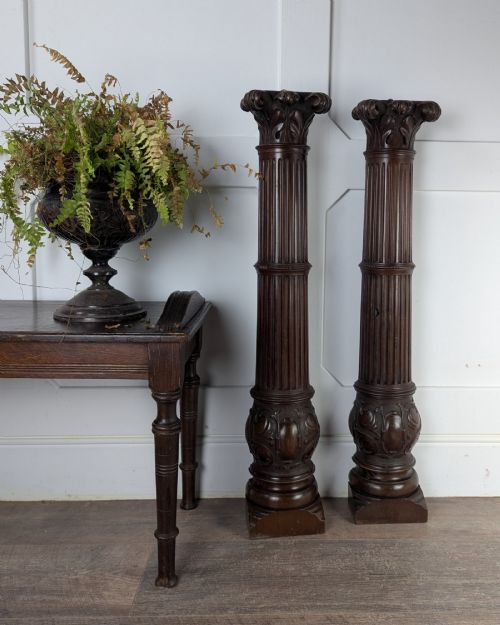
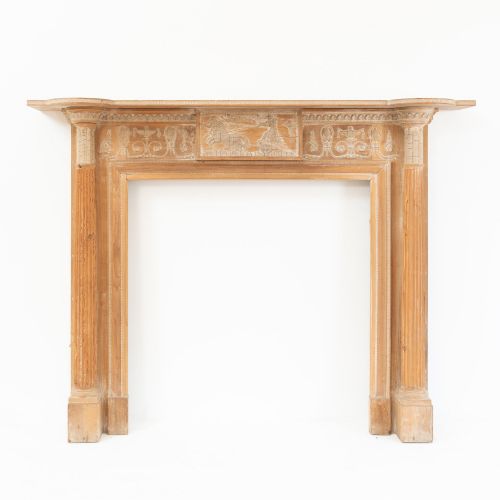
Timber elements incorporate walnut, oak and moulded leathermaché, showcasing period joinery and hand-carving. Stone objects like granite pillar caps demonstrate traditional masonry skills applied to ecclesiastical and domestic architecture.
Retail Price Guide 2026
Typical UK retail prices for victorian architectural salvage, calculated from the Sellingantiques database of over a million retail prices indexed since 2003. This retail price guide relies exclusively on Sellingantiques data; no external sources or auction records are used, so the figures do not describe the wider market.
The listings feature diverse 19th-century materials including cast iron, wrought iron, brass, zinc, lead, walnut, oak, granite and moulded leathermaché.
Assessing Quality and Character
Quality rests in the crispness of the original cast or carve, where high-grade brass hardware and ironwork retain sharp detail in motifs like Hermes heads or acorn finials. Lesser examples show softened edges from heavy wear or repeated over-painting.
Material integrity dictates value, distinguishing items that retain their original structural fixings and surface patination from those heavily altered or stripped of their historical context.
The Victorian Architectural Salvage Glossary
- Pediment
- A triangular or decorative architectural crown placed above a door, window or overdoor frame. It provides a formal classical focal point to an interior elevation.
- Leathermaché
- A moulded composite material made from paper pulp, glue and leather waste, pressed into decorative reliefs. It mimics carved plaster or wood while remaining lightweight.
- Finial
- A decorative terminal ornament finishing the top of a post, hinge or architectural structure. Acorn and urn shapes were particularly common during the 19th century.
- Gothic Revival
- An architectural and decorative style drawing on medieval ecclesiastical forms, prominent in Victorian design. It favours pointed arches, heavy tracery and rich surface detail.
- Pillar cap
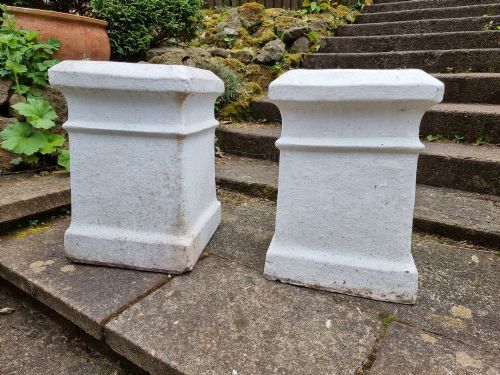
- A protective stone or masonry block crowning the top of a gatepost or structural pillar. They prevent water ingress into the stonework below.
Frequently Asked Questions
What is architectural salvage?
Architectural salvage consists of rescued building elements, hardware and decorative fixtures removed from older properties before demolition or remodelling. These pieces retain original craftsmanship and materials no longer common in modern construction.
Items range from large iron gates and granite caps to small brass hinges and door knockers, offering authentic period detail for homes.
How do I identify Victorian metalwork?
Victorian metal items typically display substantial weight, distinct casting marks and traditional fastening methods such as hand-cut screws or iron rivets. Stylistic cues often draw from Gothic Revival or Neo-Renaissance motifs.
Metals used include heavy cast iron, forged wrought iron and solid brass, often finished with detailed chasing or applied patination characteristic of the 19th century.
Are salvaged stone items heavy?
Granite pillar caps and similar masonry elements are exceptionally heavy and require specialist lifting equipment and structural support during installation. They are dense materials designed to withstand permanent outdoor exposure.
When placed indoors or in gardens, their considerable mass ensures stability but must be factored into placement decisions.