


Antique Garden Gate
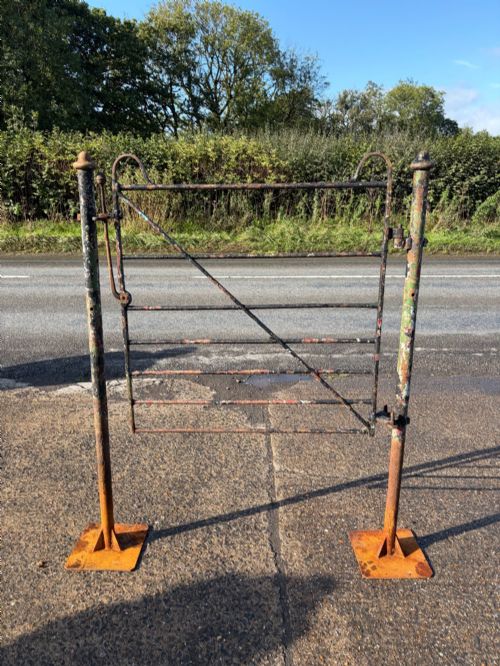
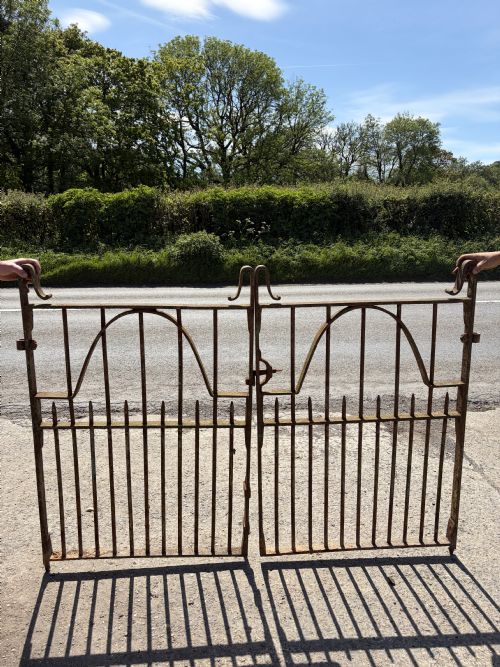
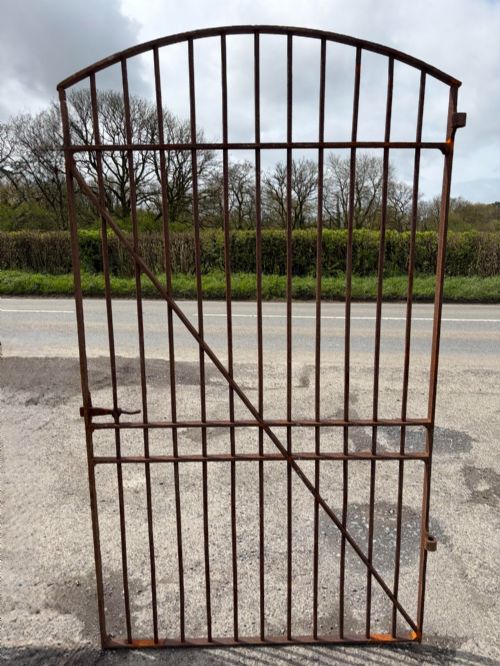
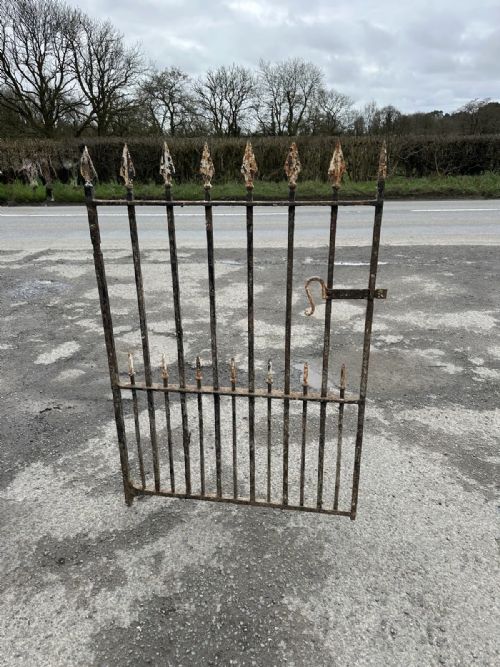
An antique garden gate brings weight and structure to a boundary, usually found here in heavy wrought iron from the nineteenth century.
Antique Garden Gate
An antique garden gate serves as a functional threshold or a decorative architectural salvage piece for outdoor spaces. The selection ranges from tall estate entrances to smaller kissing gates and simple pedestrian paths.
Most examples encountered on this page date from the Victorian period and the nineteenth century, forged by hand or workshop blacksmiths. Alongside iron work, related architectural elements such as pier finials and stone lions appear frequently.
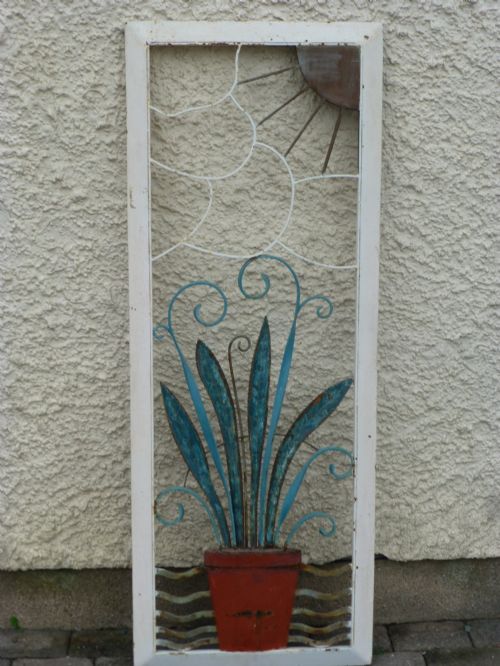
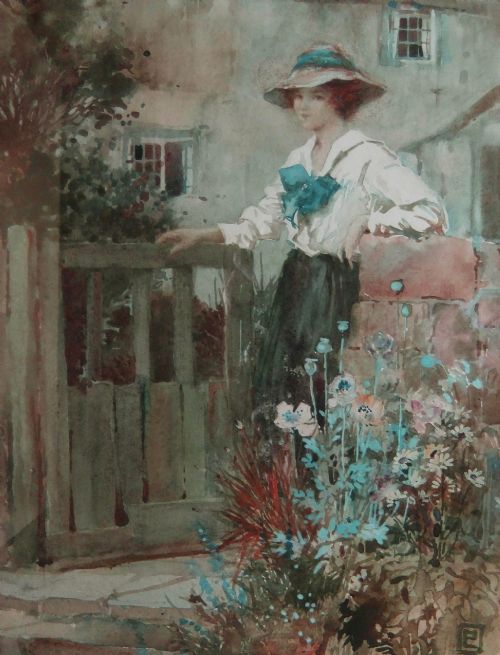
While metal dominates, occasional wooden or composite stone examples surface alongside paintings depicting cottage entries. Buyers select these items to anchor a garden landscape with genuine period craftsmanship.
Materials and construction methods
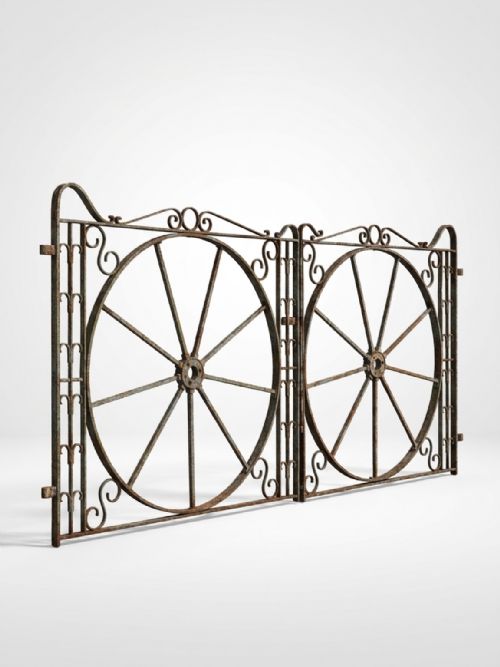
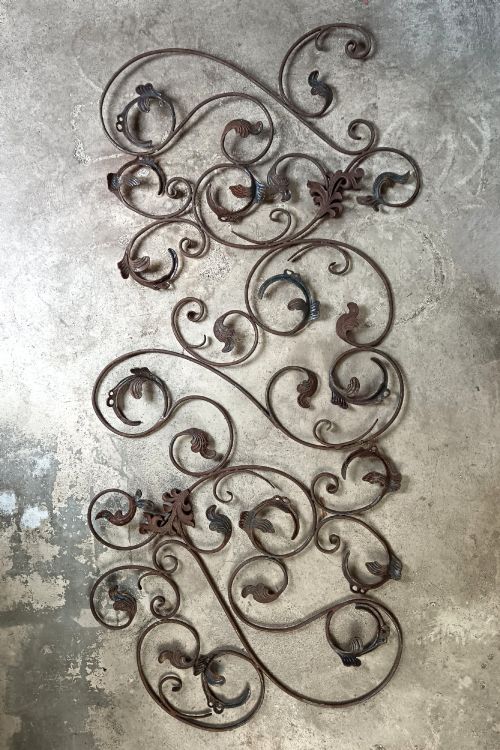
Wrought iron forms the backbone of these pieces, shaped through traditional blacksmithing techniques involving strapwork, scroll panels and riveting. Cast iron elements also appear, particularly on post finials and decorative mounts.
Stoneware, composite stone and reconstituted materials build the heavy pier finials and statues designed to anchor gate posts. Timber constructions utilise oak or pine with traditional joinery for simpler rustic designs.
Antique Garden Gate Retail Price Guide 2026
Typical asking prices for garden gate among the pieces listed under this phrase on Sellingantiques today, from the lower quarter to the upper quarter. They describe what is for sale here now, not the wider market.
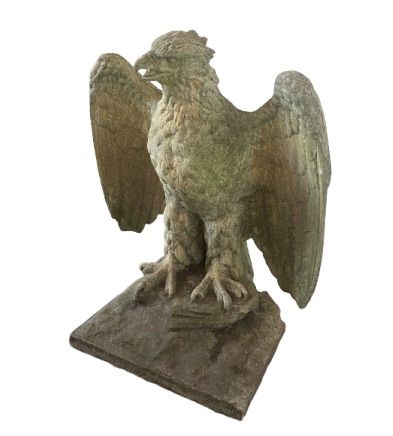
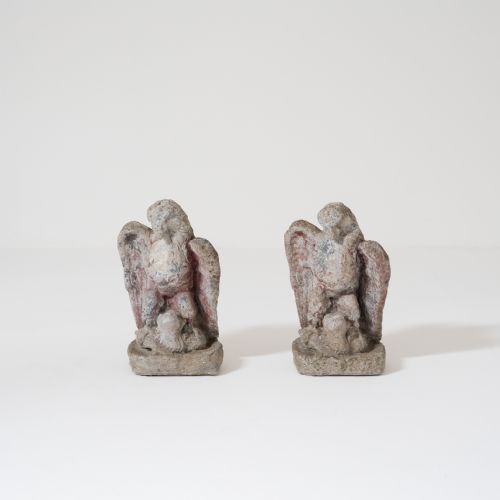
Several stone eagles and lions stand ready to guard your gate posts, ensuring proper dignity for visiting garden birds.
Distinctions in craftsmanship and scale
Quality rests in the heaviness of the gauge, the complexity of the strapwork and the integrity of the blacksmith forging. Heavier estate gates with intricate scrollwork represent the upper tier of production.
Condition and weathering dictate visual appeal, where surface oxidation tells a story of age without compromising structural depth. The presence of matching pairs or original mounting hardware elevates the significance of a piece.
Raymond Subes·Percy Lancaster
The Antique Garden Gate Glossary
- Wrought iron
- A tough, malleable form of iron containing slag inclusions, traditionally worked by hand on an anvil. It resists corrosion better than modern steel and accepts complex scrollwork.
- Kissing gate
- A pedestrian gate that opens within a small enclosure, allowing people to pass through while keeping livestock contained. These typically feature simple swinging frames.
- Pier finial
- A decorative stone, metal or terracotta ornament mounted on top of a gate pier or wall post. Common motifs include eagles, lions and floral baskets.
- Strapwork
- Ornamental interlaced bands of metal used to reinforce and decorate heavy doors and gates. This technique provides structural strength alongside visual rhythm.
- Architectural salvage
- Building components rescued from older structures for reuse in new settings. Gates and finials form a large part of this material.
Antique Garden Gate: Frequently Asked Questions
How do I mount a heavy iron gate?
Heavy iron gates require substantial stone piers or brick pillars to support their weight safely. Professional installation typically involves core-drilling pivot hinges directly into masonry.
Matching the hinge pins to the original eyelets on the gate prevents binding during swing movement.
Can I leave antique iron outdoors year round?
Wrought iron handles outdoor exposure well because surface oxidation creates a protective barrier over decades. Regular inspection helps catch any active flaking.
Applying a traditional wax or specialised oil treatment keeps heavy moisture at bay during winter months.
How do I date a wrought iron gate?
Dating relies on identifying construction methods such as hand-riveting, blacksmith anvil marks and the gauge of the iron strapwork. Earlier nineteenth century pieces often show irregularities absent in later industrial production.
Design styles like Victorian strapwork or Art Deco panels offer further clues to the decade of origin.
What is a kissing gate used for?
A kissing gate controls access along rural footpaths while allowing walkers through one at a time. The enclosed design swings to block livestock from straying.
In domestic gardens, they provide a charming transitional threshold between different outdoor rooms.