
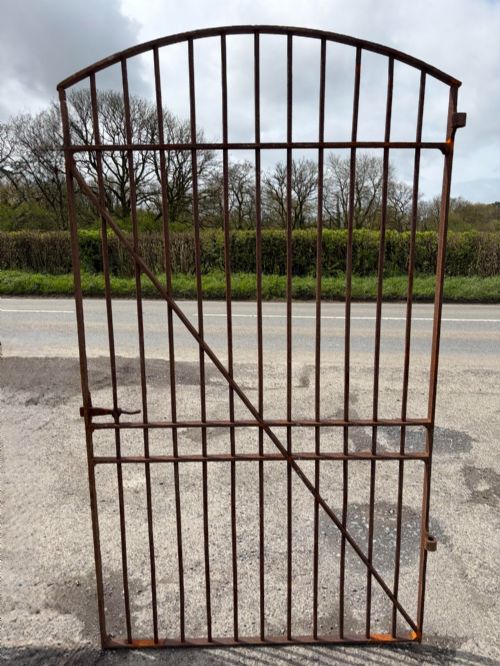


Decorative Iron Gate
These decorative iron gate pieces bring historic metalwork into gardens and architecture, offering enduring structure and timeless craftsmanship.
Decorative Iron Gate
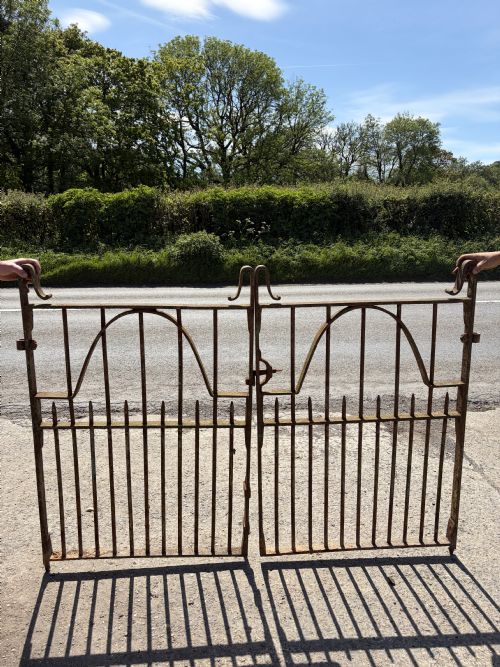
A decorative iron gate provides architectural definition and secure closure for gardens, estates, and doorways. When you examine this selection, you encounter substantial estate entrances alongside smaller garden barriers and architectural panels.
The objects span multiple centuries and stylistic movements, reflecting both utilitarian function and ornate design. You are most likely to meet nineteenth-century wrought iron estate gates and panels among these offerings.
Makers utilised various metals and structural forms to create these barriers, ranging from arched top designs to strapwork configurations. Each piece bears the marks of its period, whether Victorian, Art Deco, or Art Nouveau.
Materials and construction methods
Blacksmiths and metalworkers shaped wrought iron and steel into robust architectural frameworks using traditional forging techniques. Riveted joints and intricate strapwork secured the structural integrity of large estate barriers.
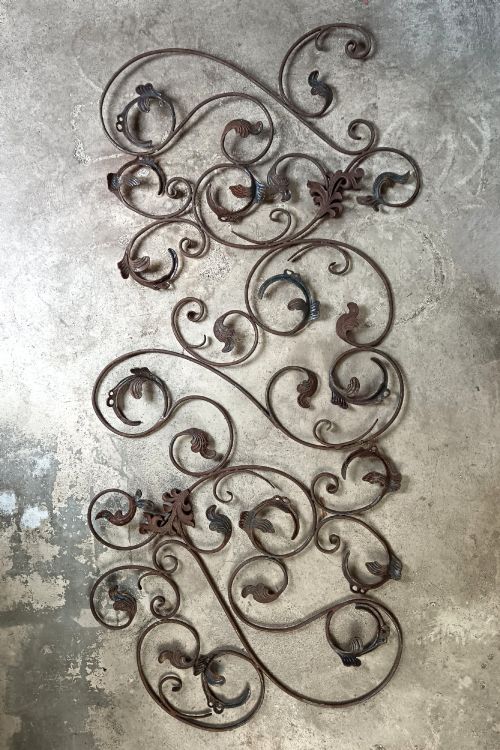
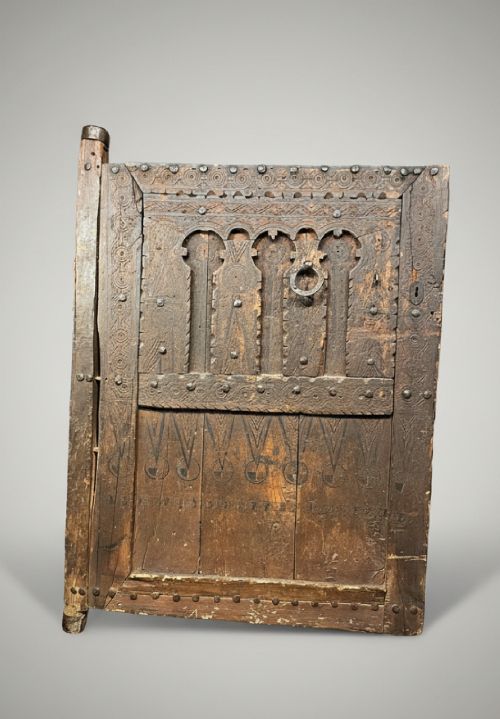
Certain works incorporate bronze elements or timber components alongside the primary iron structure, adding textural contrast. Artisans also integrated decorative details such as scroll panels and trident motifs into the metalwork.
Some nineteenth-century gates feature sharp trident details designed to deter intruders with pointy persuasion.
Assessing quality in historical ironwork
Quality rests upon the skill of the forging and the complexity of the design, distinguishing standard utility pieces from exceptional artistic commissions. Finer examples display meticulous attention to strapwork proportions and hand-hammered scroll details.
The integrity of the metal and the survival of original riveted construction dictate the standing of a piece within its period. Superior examples maintain their structural balance while showing honest weathering across the iron surfaces.
Raymond Subes
The Decorative Iron Gate Glossary
- Wrought iron
- A tough, malleable form of iron that can be heated and hammered into complex decorative shapes. It resists corrosion better than modern steel due to its fibrous slag inclusions.
- Strapwork
- A decorative scheme comprising flat, interlaced bands of metal resembling leather straps or ribbons. This technique provides both visual rhythm and structural bracing.
- Architectural salvage
- Building components rescued from structures slated for demolition or alteration. These items retain historical craftsmanship for reuse in modern contexts.
- Riveted gate
- A barrier held together by metal pins hammered flat at the ends while hot. This traditional fastening method creates permanent, rigid joints without welding.
Decorative Iron Gate: Frequently Asked Questions
How do I install a heavy estate gate?
Heavy estate gates require reinforced mounting posts and deep foundations to support their considerable weight. Professional installation ensures proper alignment and smooth operation.
Historical ironwork often demands bespoke brackets or pivots to match original hanging points. Take accurate measurements of the opening before finalising structural fixings.
Are these gates suitable for outdoor use?
These pieces were originally built for exterior environments, though surviving examples benefit from protective maintenance. Weathering adds character to the metal surface over decades.
Applying a suitable protective coating helps arrest active oxidation while preserving the historical patina. Position them carefully to prevent water pooling in joints.
How do I identify a Victorian gate?
Victorian examples typically feature robust wrought iron construction with characteristic decorative flourishes like trident details. Their proportions reflect nineteenth-century architectural priorities.
Compare the construction methods and scrollwork patterns against documented pieces from the same era. Riveting styles also offer clues to the manufacturing period.
Can I use architectural panels as garden screens?
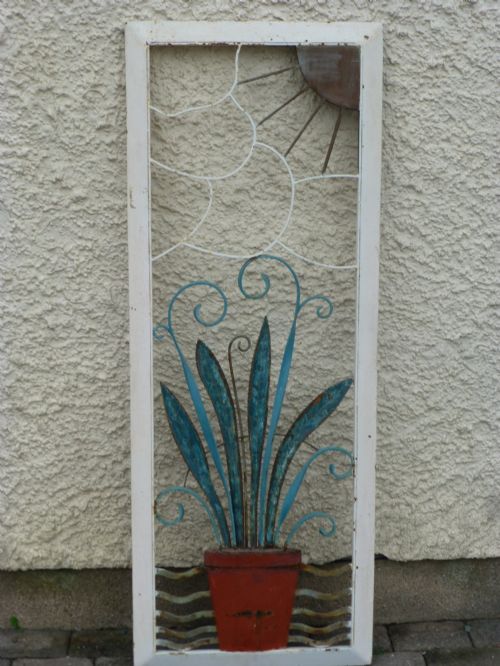
Architectural panels and door screens adapt well to garden settings as decorative boundaries or wall art. Their openwork designs allow light and air to pass through while defining spaces.
Ensure panels are securely anchored to masonry or structural posts for stability. This placement highlights the intricate metalwork without compromising safety.