




Victorian Wrought Ironwork
Victorian wrought ironwork brings enduring structural integrity and bold sculptural presence to gardens and interiors alike.
Victorian Wrought Ironwork
Victorian wrought ironwork encompasses functional architectural salvage and decorative items forged during the nineteenth century, ranging from monumental driveway gates to small domestic candlesticks. Buyers seeking authentic period character will find substantial architectural elements like estate gates and chapel doors alongside smaller sculptural items.
The pieces listed on this page showcase a heavy concentration of sturdy exterior ironwork paired with select interior forms. Architectural salvage dominates the selection, featuring robust garden gates, driveway gates, and strapwork estate gates.
Beyond structural gates, the inventory includes smaller decorative objects and lighting items such as pricket candlesticks. Materials extend beyond pure metal, incorporating supporting timber elements like fruitwood and pine on specific pieces.
How they were made
The creation of these items relied heavily upon traditional blacksmithing techniques applied to wrought iron, often combined with cast iron components for decorative detailing. Master smiths hammered and bent the metal while hot to achieve specific structural forms and intricate patterns like trident details.
Larger architectural pieces frequently integrated timber framing to support the heavy metalwork, utilising pine and fruitwood for doors and mounting blocks. This combination of durable metal and dense wood ensured both longevity and structural stability for heavy-duty use.
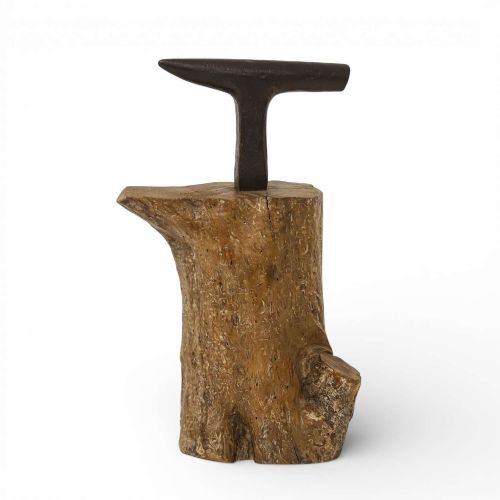
One listed anvil sits mounted proudly on a solid fruitwood trunk, ready for action after a century or two of quiet contemplation.
What varies in quality
Quality in these items rests upon the complexity of the smith's handiwork and the ambition of the overall design. Finer examples display sophisticated strapwork, balanced symmetry, and detailed elements like forged trident motifs rather than plain industrial bars.
The integration between metal components and any accompanying timber structure also dictates the caliber of a piece. Superior examples maintain structural harmony between the heavy ironwork and seasoned woods such as fruitwood or pine.
The Victorian Wrought Ironwork Glossary
- Wrought iron
- A tough, malleable form of iron containing slag inclusions that allows it to be hammered and bent into intricate shapes. This material resists rust better than modern steel and shows distinctive fibrous surface textures.
- Strapwork
- Flat bands of metal applied in geometrical patterns across doors or gates for reinforcement and decoration. This technique adds both structural rigidity and visual rhythm to utilitarian surfaces.
- Pricket candlestick
- A heavy metal candlestick featuring an upright spike upon which a candle is impaled. These practical lighting devices often display robust blacksmithing techniques from the nineteenth century.
- Architectural salvage
- Building components rescued from older structures for reuse in new contexts. These elements preserve historical craftsmanship and materials that are no longer common in modern construction.
Victorian Wrought Ironwork: Frequently Asked Questions
How do I install heavy iron gates?
Heavy period gates require deep, secure mounting posts capable of supporting the substantial weight of the metal framework. Professional installation ensures proper alignment and prevents sagging over time.
Matching the original hanging style preserves the historical integrity of the hardware and ensures smooth daily operation.
Can I use these items outdoors?
Many of these pieces were originally forged for exterior use as garden or driveway gates and naturally withstand outdoor environments. Regular maintenance helps protect the metal from excessive moisture.
Applying suitable protective coatings prevents active corrosion while maintaining the authentic texture of the nineteenth-century surface.
What is architectural salvage?
Architectural salvage involves saving building parts from structures scheduled for alteration or demolition. This practice rescues durable items like chapel doors and estate gates for modern reuse.
Collecting these pieces preserves historical manufacturing methods and brings authentic period character into contemporary properties.
How do I identify nineteenth century ironwork?
Nineteenth-century ironwork typically displays hand-hammered textures, visible forge marks, and traditional joinery methods rather than modern welds. Subtle irregularities confirm the manual labour involved in shaping the hot metal.
Comparing stylistic details such as gothic revival motifs or specific finials helps narrow down the production era.