
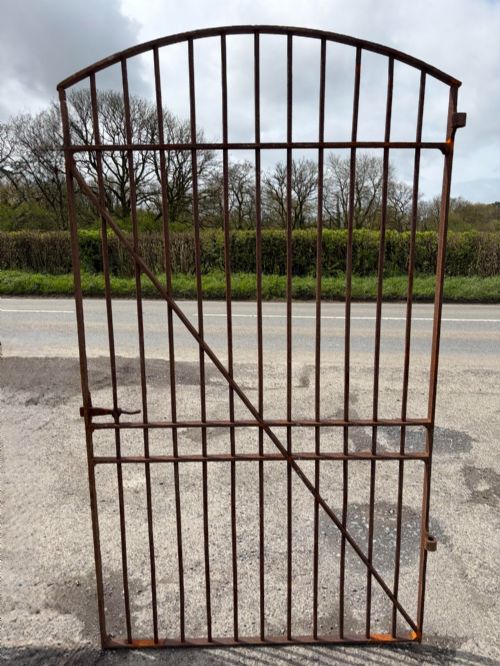
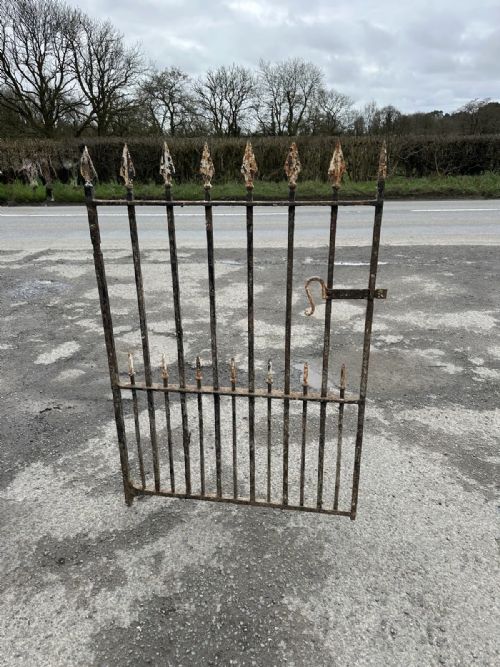


Antique Metal Gate
An antique metal gate brings structural weight and timeless boundaries to a garden, forged mainly from wrought and cast iron across the Victorian and 19th-century periods.
Antique Metal Gate
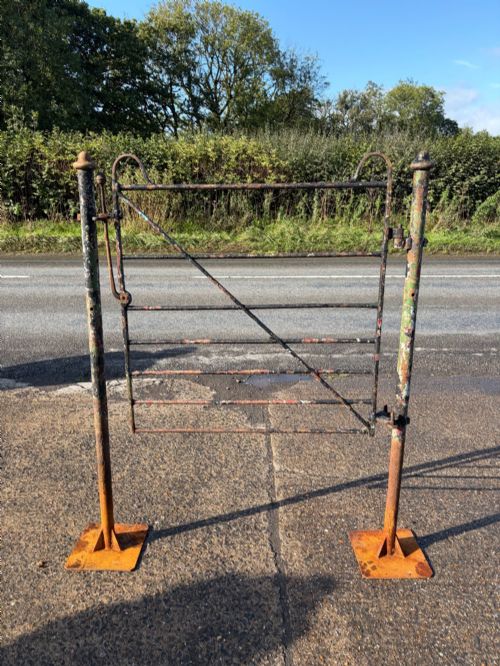
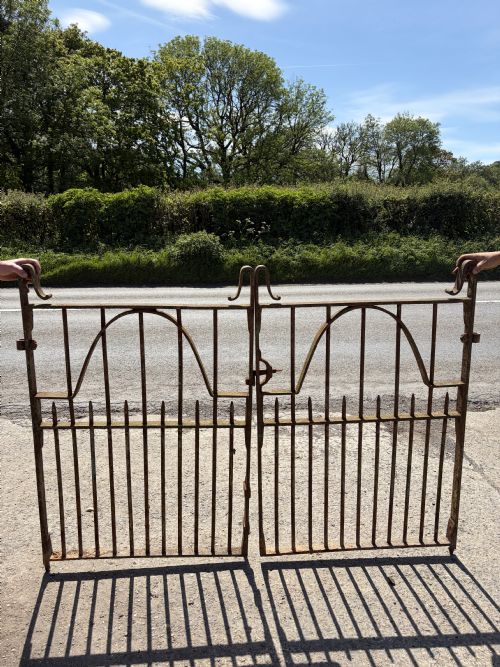
When you search for an antique metal gate, you encounter substantial architectural salvage designed for practical enclosure rather than delicate indoor decoration. The most common forms on this page are sturdy garden gates, tall estate gates, and smaller kissing gates intended for rural footpaths.
The material record spans the 18th century through to the Edwardian era, showing a heavy reliance on durable metals meant to withstand centuries of weathering. Most pieces originate from the 19th century and the Victorian period, reflecting an era when ironwork was both functional engineering and decorative craft.
Beyond full-scale perimeter barriers, the selection occasionally broadens into related architectural elements and household items sharing the same material heritage. You will find strapwork estate gates featuring riveted construction alongside smaller items like fire guards and signs referencing gates.
Forging and Casting Techniques
The construction of these pieces relies heavily on wrought iron and cast iron, shaped by blacksmiths through heating, hammering, and riveting. Wrought iron provides the tensile strength needed for tall estate gates and intricate strapwork, allowing for manual bending and joining without snapping.
Cast iron appears where mass production or complex ornamental detail was required, such as in panels and specific signage components. These metals are frequently finished with layers of paint to protect against oxidation, while bronze and brass appear in specialised decorative accents.
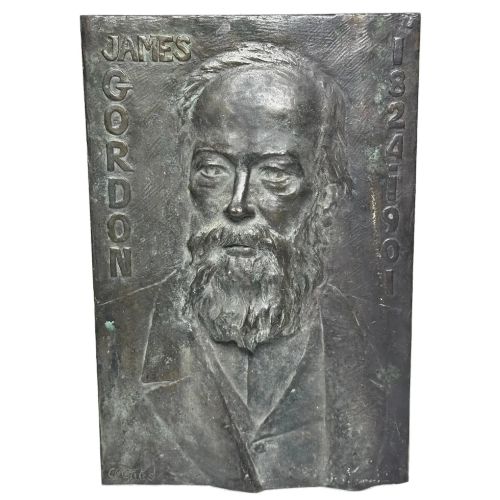
One exceptional Edwardian offering pairs architectural ironwork with a portrait of James Gordon attributed to Alice Gates.
Distinctions in Craftsmanship
Quality in an antique metal gate rests upon the integrity of the blacksmith's handiwork and the preservation of the original material. Superior pieces exhibit clean lines in strapwork, secure riveting, and thoughtful proportion, whereas lesser examples may show crude repairs or structural distortion.
The distinction also lies in the completeness of the hardware and the historical honesty of the piece. Gates retaining their original heavy hinges, latches, and authentic patinas of paint and rust command greater appreciation than those stripped bare or heavily altered for modern re-installation.
Raymond Subes·James Gordon·Alice Gates
The Antique Metal Gate Glossary
- Wrought iron
- A tough, malleable form of iron containing little carbon, traditionally worked by hand on an anvil. It resists rusting better than modern steel and bends rather than snaps under stress.
- Cast iron
- Iron melted and poured into a mould to create rigid shapes and detailed ornamentation. It is strong under compression but brittle compared to wrought iron.
- Strapwork
- A decorative motif or structural technique using flat strips of metal arranged in interlocking patterns. It provides both reinforcement and visual rhythm on large estate gates.
- Kissing gate
- A type of gate that allows people through while preventing livestock from escaping. It typically consists of an enclosed pen with a single swinging gate.
- Architectural salvage
- Building components rescued from older structures slated for demolition. These pieces are reused in new settings to preserve historical character.
Antique Metal Gate: Frequently Asked Questions
How do I hang a heavy antique gate?
Hanging a heavy iron or steel gate requires anchoring substantial stone piers or timber posts capable of supporting considerable weight. Professional installation typically involves custom-forged pintles and hooks secured securely into masonry.
Because these pieces lack modern standardisation, alignment must be managed carefully at the hinge points to ensure the latch meets the receiver without dragging on the ground.
Can these garden gates be used outdoors?
Most of these pieces were forged specifically for exterior boundary use and are well-suited to outdoor placement. Their survival through the 19th century and Victorian eras proves their inherent durability against the elements.
Maintenance involves monitoring the paint or protective finish to prevent deep rust formation. Applying appropriate metal preservatives helps preserve the original ironwork for decades to come.
How do I identify a 19th-century iron gate?
Identifying a 19th-century piece involves examining the joinery, texture, and weight of the metal. Hand-hammered surfaces, visible rivet heads, and traditional strapwork construction point toward blacksmith production typical of the Victorian era.
Machine-rolled steel and modern welding techniques generally indicate later manufacturing dates. Comparing the style of finials and hinges to documented period patterns helps confirm the age.
How should I clean rusted metal gates?
Cleaning historic iron requires gentle wire brushing or scraping to remove loose, flaking scale without stripping the desirable underlying patina. Harsh chemical strippers or abrasive sandblasting can pit the metal and destroy centuries of weathering.
Once loose debris is cleared, applying a stabilizing rust converter followed by a protective coat of exterior paint or oil safeguards the material against further decay.