
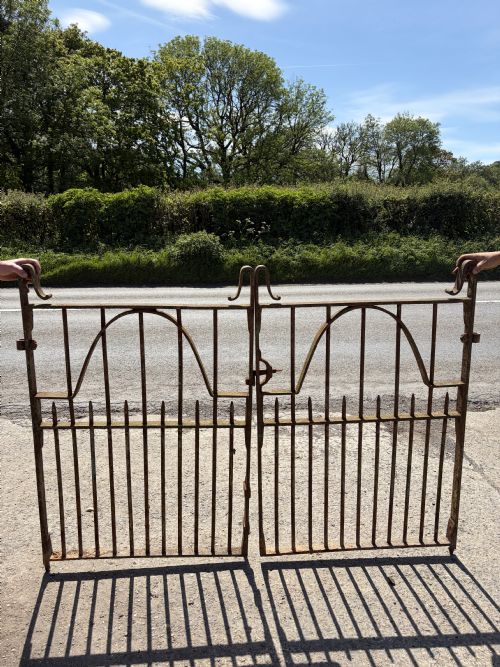
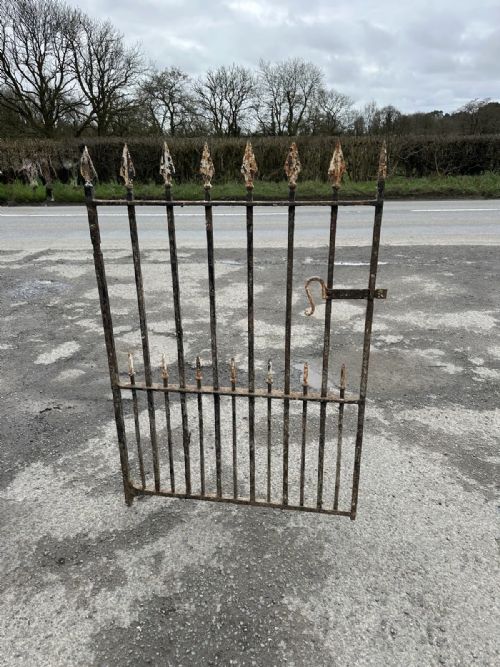


Reclaimed Iron Gate
A reclaimed iron gate brings immediate architectural weight to a garden boundary, offering robust security and enduring period character.
Reclaimed Iron Gate
A reclaimed iron gate forms a heavy physical boundary for gardens, driveways, and estates, acting as both a secure entrance and a decorative architectural feature. When you browse for a reclaimed iron gate, you encounter substantial architectural salvage spanning the Victorian era, the nineteenth century, and the early twentieth century.
The selections on this page concentrate heavily on nineteenth-century and Victorian country estate pieces, alongside specific variations like pedestrian kissing gates and monumental driveway entrances. These items originate from diverse stylistic backgrounds, including rustic farmhouse aesthetics, Edwardian properties, and distinct Art Deco commissions.
Buyers frequently find garden gates and tall driveway gates built to withstand decades of exterior exposure while retaining intricate metalwork details. Every reclaimed iron gate carries the patina of its previous architectural context, whether salvaged from a grand Victorian country estate or a period townhouse.
Materials and construction methods
These architectural pieces rely primarily on wrought iron and cast iron, sometimes combined with bronze elements in high-status decorative screens and gates. Blacksmiths and ironfounders shaped these robust metals using traditional strapwork construction, forging solid bars and intricate scroll panels by hand.
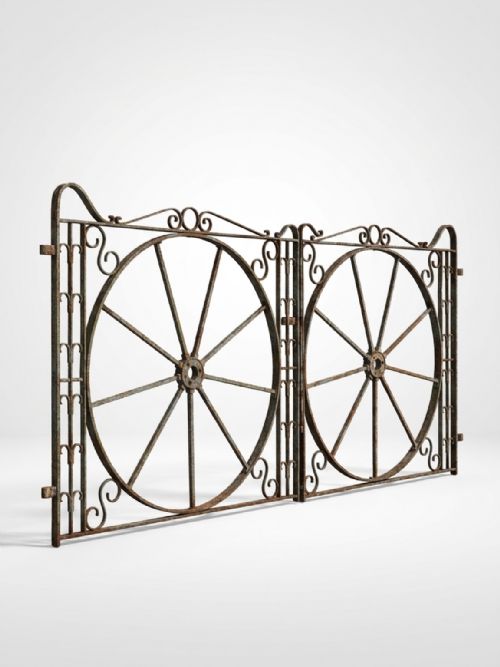
Makers integrated structural elements such as heavy mounting straps, trident details, and interlocking scrollwork to ensure the metalwork could support large swinging frames. The combination of cast components for decorative motifs and wrought iron for structural frames provided both ornamental variety and high tensile strength.
Materials documented across these architectural salvage items include wrought iron, cast iron, bronze, and steel.
Distinguishing quality in period metalwork
Quality in these architectural items rests upon the ambition of the original design and the dexterity of the metalwork, moving from simple utilitarian farm entrances to monumental estate commissions by notable designers. Superior pieces display complex strapwork, harmonious scroll geometry, and integrated decorative accents such as forged tridents or cast bronze highlights.
The depth of the material's weathering and the integrity of the original forged joints dictate the baseline condition of each piece. Higher-tier examples retain their structural rigidity and balanced proportions across substantial spans, reflecting the skill of the original country estate workshops.
Raymond Subes
The Reclaimed Iron Gate Glossary
- Wrought iron
- A tough, malleable form of iron containing silicate slag fibres, traditionally worked by hand on an anvil. It resists corrosion better than modern steel and allows for intricate bending and hammering.
- Strapwork
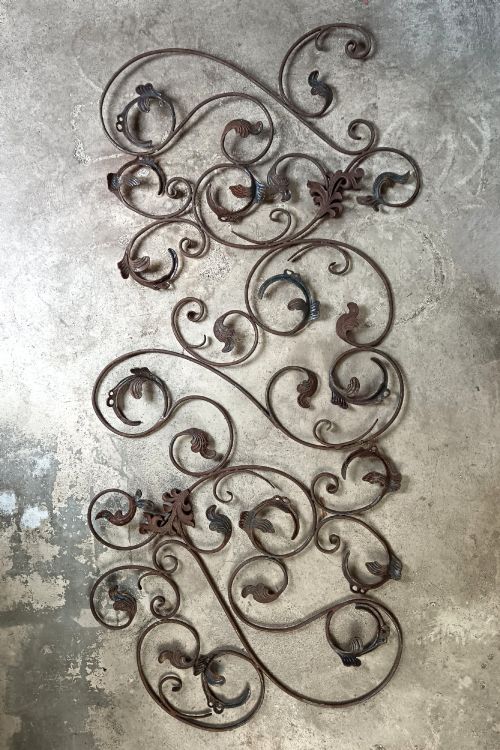
- A decorative technique using flat, intersecting bands or straps of metal applied to form geometric patterns or reinforce structural joints. This method provides both visual rhythm and physical rigidity.
- Kissing gate
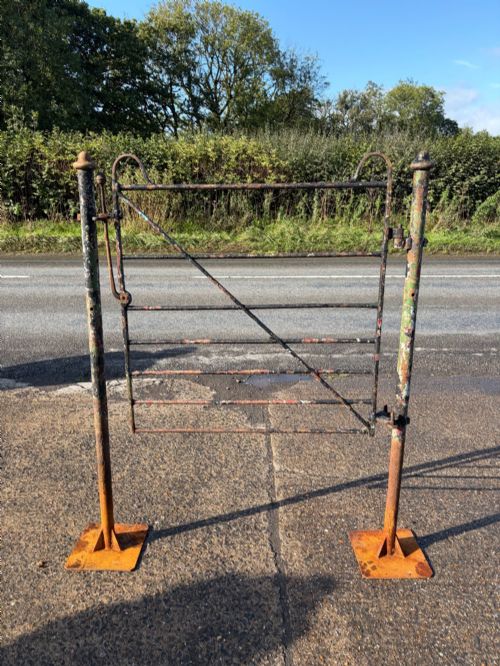
- A small pedestrian gate that opens within a small enclosure, allowing one person to pass through at a time while preventing livestock from escaping. These compact structures often feature simple wrought iron latches and hinges.
- Architectural salvage
- Building components and ornamental metalwork rescued from structures slated for demolition or renovation. This recovery practice preserves historical materials for reuse in new settings.
Reclaimed Iron Gate: Frequently Asked Questions
How do I hang a heavy iron gate?
Hanging a heavy period gate requires substantial stone piers or reinforced timber posts capable of taking immense downward and lateral loads. Professional installers use adjustable masonry fixings and heavy-duty pintles secured deeply into the support structure.
Because nineteenth-century estate gates often weigh several hundred kilograms, alignment must be exact to prevent the frame from dragging over time. Proper clearance from the ground allows the heavy metal leaves to swing freely through seasonal temperature shifts.
How do I protect salvaged iron from rust?
Protecting historical ironwork involves removing loose surface rust with wire brushes and applying stabilizing metal primers or traditional linseed-based paints. Maintaining a breathable protective coating prevents moisture penetration while allowing the underlying metal to age gracefully.
Avoid modern non-porous sealants that can trap condensation against the wrought iron and accelerate subsurface corrosion. Regular inspections of joints and fasteners ensure the metal remains resilient against weathering.
Can oversized estate gates be shortened?
Altering the height or width of a period estate gate requires specialist metalwork intervention to preserve structural symmetry and proportional balance. Skilled blacksmiths can cut and re-forge the bottom rails or adjust the outer hanging styles to fit non-standard openings.
Such modifications should be approached carefully to maintain the integrity of original strapwork and historical scroll panels. Retaining the original mounting hardware ensures the piece preserves its architectural character.
How do I identify a Victorian gate?
Victorian ironwork typically displays heavy wrought iron construction, dense scrollwork patterns, and specific motifs such as spearheads or trident details. These pieces often exhibit the robust proportions associated with nineteenth-century country estates and urban townhouses.
Documentation or provenance from the era can further confirm the period, though the manufacturing techniques and material weight offer clear primary evidence. Comparing the strapwork and joinery to dated examples helps narrow down the exact decade of production.