
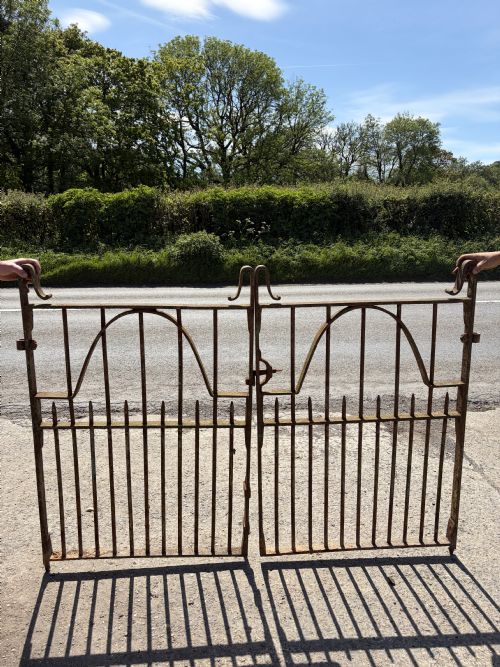
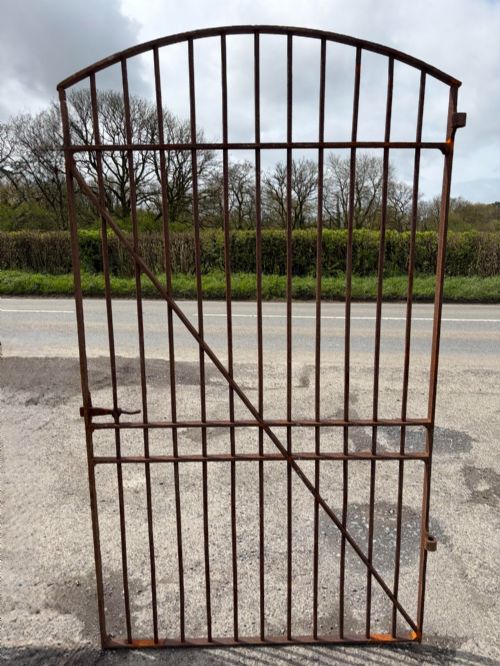
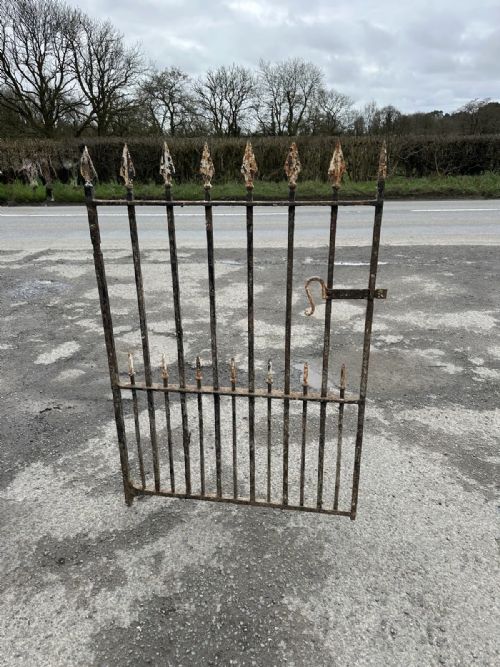


Wrought Iron Garden Gate
These wrought iron garden gate examples offer robust boundaries and striking architectural presence for period properties.
Wrought Iron Garden Gate
A wrought iron garden gate serves as a functional boundary marker and an impressive entrance for period properties. When searching for a wrought iron garden gate, buyers encounter everything from modest pedestrian entries to monumental estate barriers.
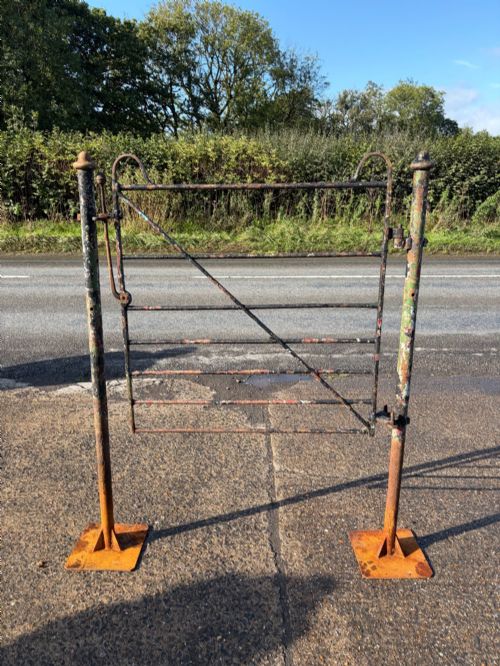
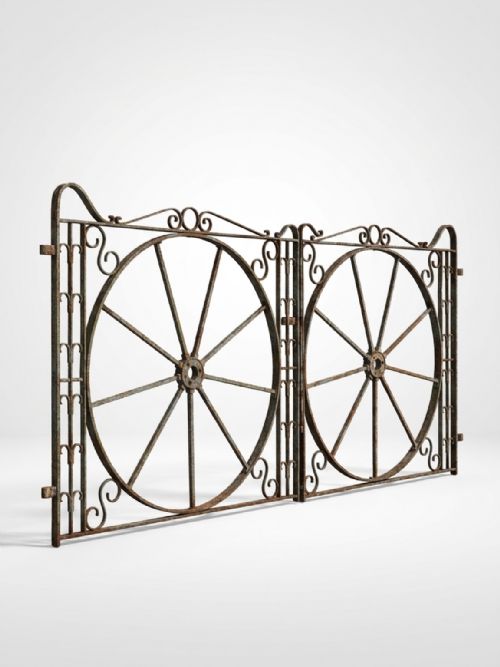
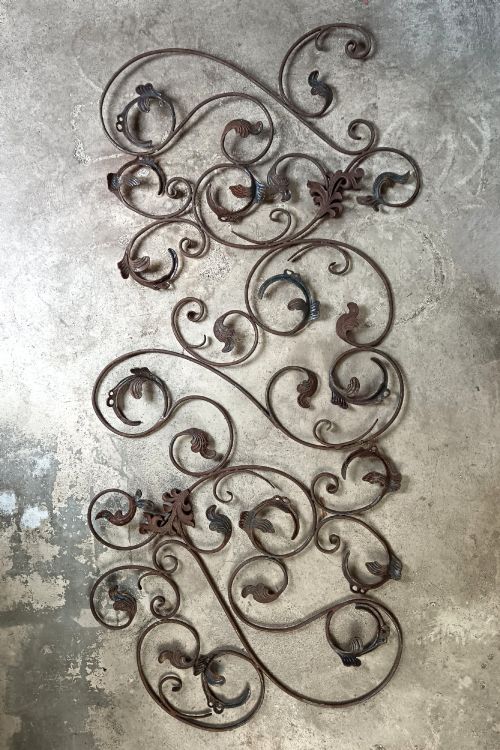
Most pieces seen originate from the Victorian era and the nineteenth century, often displaying characteristic strapwork or scrolling. Formats range from single garden gates and kissing gates to massive driveway pairs and architectural salvage panels.
Makers ranged from rural blacksmiths working around eighteen hundred to notable designers like Raymond Subes during the Art Deco period. Each piece reflects the functional demands and stylistic preferences of its specific era.
Materials and construction
Traditional pieces utilise hand-hammered wrought iron shaped by a blacksmith over a forge. Craftsmen joined bars using traditional techniques including riveting and strapwork construction rather than modern electrical welding.
Some examples combine wrought iron with cast iron elements or bronze details to add decorative finials and structural contrast. Over centuries, these metals weathered outdoors, acquiring distinct patinas and textures unique to each material.
Wrought Iron Garden Gate Retail Price Guide 2026
Typical asking prices for wrought iron garden gate among the pieces listed under this phrase on Sellingantiques today, from the lower quarter to the upper quarter. They describe what is for sale here now, not the wider market.
Listings feature periods spanning from the eighteenth century through the Victorian era to nineteen-twenty Art Deco designs, utilising wrought iron, bronze, steel, cast iron, copper, and glass.
Judging quality and craftsmanship
Quality in a wrought iron garden gate rests upon the skill of the blacksmith and the integrity of the original construction. Heavier strapwork, hand-forged scrollwork, and careful riveted joints distinguish exceptional estate pieces from simpler utilitarian designs.
The degree of preservation and the survival of original decorative details like finials or trident motifs significantly affect the character of the piece. Untouched weathered surfaces and sturdy framing indicate superior initial manufacture.
Raymond Subes
The Wrought Iron Garden Gate Glossary
- Wrought iron
- A tough, malleable form of iron containing slag inclusions that can be heated and hammered into decorative shapes. Blacksmiths traditionally favoured this material for outdoor architectural metalwork due to its fibrous resistance to corrosion.
- Strapwork
- Flat bands of metal intersecting or crossing to form geometric patterns and rigid structural frames. This technique provides exceptional strength to large estate gates.
- Kissing gate
- A small enclosure with a swinging gate that allows only one person through at a time. They were traditionally used on rural boundaries to keep livestock from straying.
- Architectural salvage
- Building components rescued from older structures destined for demolition. These salvaged iron panels and gates find new life in contemporary gardens.
- Riveted
- Joined together using metal pins hammered flat at the ends while hot. This mechanical fastening method secures heavy iron components firmly without modern welding.
Wrought Iron Garden Gate: Frequently Asked Questions
How do I install a heavy antique gate?
Installing a heavy antique gate requires mounting directly into substantial brick pillars or deep stone posts using reinforced fixings. Because these iron structures carry considerable weight, professional support ensures the hanging pivots remain completely plumb over decades of daily movement.
Alignment matters greatly to prevent the latch and frame from binding as temperatures shift. Check that the ground clearance accommodates any garden slope before finalising the hanging position.
Can these gates be restored?
Most rusted or weathered gates can be carefully restored by gently wire-brushing loose scale without removing the historic iron surface. Specialist metal conservators can repair broken strapwork and re-secure loose rivets using traditional forge methods.
Applying a protective coating or traditional black paint halts further oxidation and preserves the metal. Avoid harsh abrasive blasting which strips away the aged patina built up over centuries.
Are these gates suitable for modern driveways?
Many larger nineteenth-century estate pairs and eight-foot designs adapt well to modern driveways with appropriate hanging posts. Their robust wrought iron construction easily accommodates modern automated opening mechanisms when fitted with discreet custom brackets.
Buyers should measure the exact swing radius and clearance height before purchase. Consideration must also be given to the weight distribution across existing garden walls.
How do I date a wrought iron gate?
Dating relies on examining the construction methods, such as whether components are hand-hammered by a blacksmith or machine-rolled. Eighteenth-century and early nineteenth-century examples often display irregular hammer marks and simpler riveted strapwork.
Victorian pieces frequently incorporate cast iron finials, fleur-de-lys details, or heavier structural frames. Twentieth-century additions like Art Deco screens introduce bronze elements and geometric styling typical of the nineteen-twenties.