


Reclaimed Metal Gate
A reclaimed metal gate brings immediate architectural weight to an entrance, offering heavy ironwork built to last generations.
Reclaimed Metal Gate
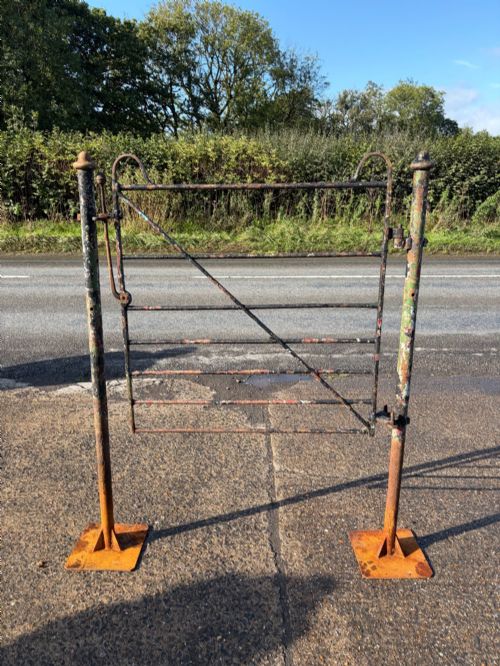
A reclaimed metal gate represents substantial architectural salvage, running from domestic garden entrances up to large estate boundaries. When searching for a reclaimed metal gate, buyers encounter sturdy barriers fashioned primarily during the nineteenth and twentieth centuries.
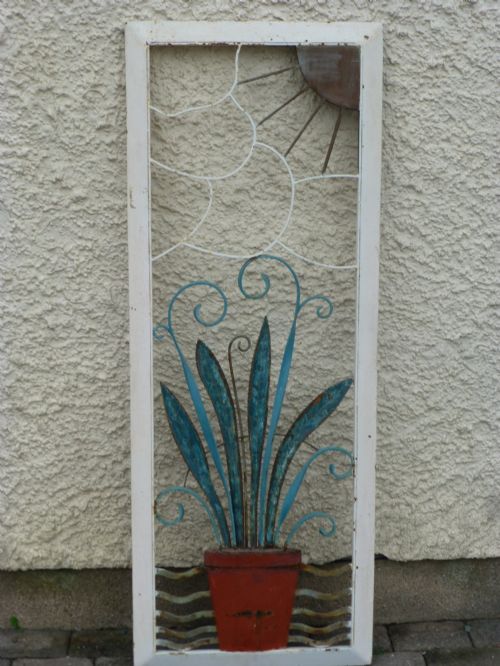
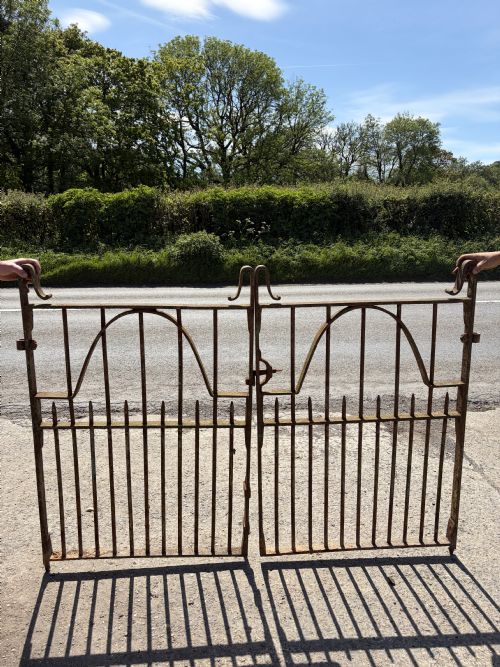
Origins span formal nineteenth century designs and rustic farmhouse styles through to Edwardian and art deco pieces. Forms include single garden gates, pairs of gates, and architectural screens suited for gardens or exterior doorways.
How they were made
Makers shaped these items using wrought iron, cast iron, steel and bronze, often combining cast and wrought iron elements within a single structure. Blacksmiths hammered and bent wrought iron bars to form strapwork and rigid framing, while decorative components utilised cast iron or bronze.
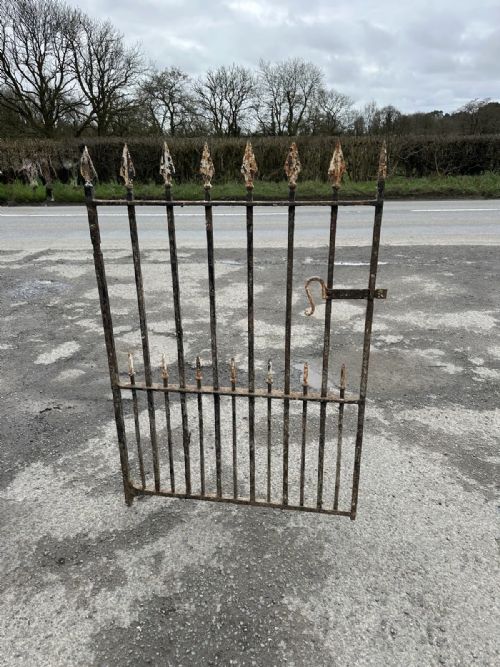
Construction techniques rely heavily on traditional forging and joinery suited to heavy architectural use. Individual bars and decorative details such as trident motifs are secured to withstand decades of exterior exposure.
One gate came equipped with a trident detail, presumably for subduing unruly trespassers or overly enthusiastic gardeners.
What varies in quality
Quality rests upon the ambition of the original design and the integrity of the surviving metalwork. Elaborate strapwork, balanced proportions and sophisticated decorative accents elevate certain examples far above standard utilitarian barriers.
The sophistication of the maker shapes the value, particularly when distinctive artistic movements influence the ironwork. Pieces by notable designers or workshops display superior handling of materials like bronze and iron.
Raymond Subes
The Reclaimed Metal Gate Glossary
- Wrought iron
- A tough, malleable form of iron easily hammered and bent into decorative strapwork. It resists rusting better than modern steel and forms the backbone of traditional nineteenth century gates.
- Strapwork
- Flat bands of metal applied in geometrical patterns across a gate frame. This technique reinforces the structure while adding visual rhythm to the design.
- Cast iron
- Molten iron poured into a mould to create rigid decorative components. It provides crisp detail for finials and crests but lacks the flexibility of forged iron.
- Kissing gate
- A small swinging gate enclosed in a U-shaped or V-shaped pen that allows single-file pedestrian access. These practical rural fixtures control passage while keeping livestock contained.
- Architectural salvage
- Building components rescued from older structures for reuse in new settings. This field preserves historic metalwork for modern gardens and restorations.
Reclaimed Metal Gate: Frequently Asked Questions
How do I secure a heavy estate gate?
Heavy estate gates require robust brick piers or stone pillars capable of bearing significant hanging weight. Professional installation involves substantial anchor fixings and reinforced hanging posts.
Alignment is critical for ensuring smooth operation over decades of daily use. Proper clearance above the ground prevents dragging during seasonal soil movement.
Can antique iron gates be resized?
Altering historical metalwork requires specialist blacksmithing skills to maintain structural integrity. Cutting and welding vintage wrought iron demands care to preserve the original finish and proportions.
Most buyers prefer to adapt the opening rather than modify the gate itself. Retaining original dimensions preserves the character and historical authenticity of the piece.
How do I maintain reclaimed ironwork?
Regular inspection helps catch surface corrosion before it compromises the metal. Applying appropriate protective coatings shields the iron from persistent moisture.
Moving parts benefit from periodic lubrication to ensure smooth swing action. Keeping the base clear of soil prevents premature dampness and rust accumulation.
What distinguishes a Victorian garden gate?
Victorian examples typically feature robust wrought iron construction with characteristic strapwork patterns. Decorative flourishes such as trident details often mark this period.
Proportions tend to suit domestic garden paths rather than wide carriage drives. The craftsmanship reflects nineteenth century industrial techniques combined with traditional smithing.