


Wrought Iron Entrance Gates
These wrought iron entrance gates span grand Victorian estates and robust rural properties, offering secure boundaries with striking architectural presence.
Wrought Iron Entrance Gates
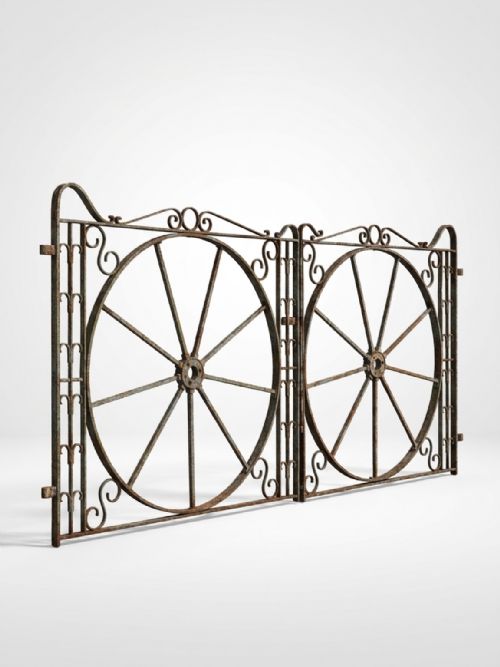
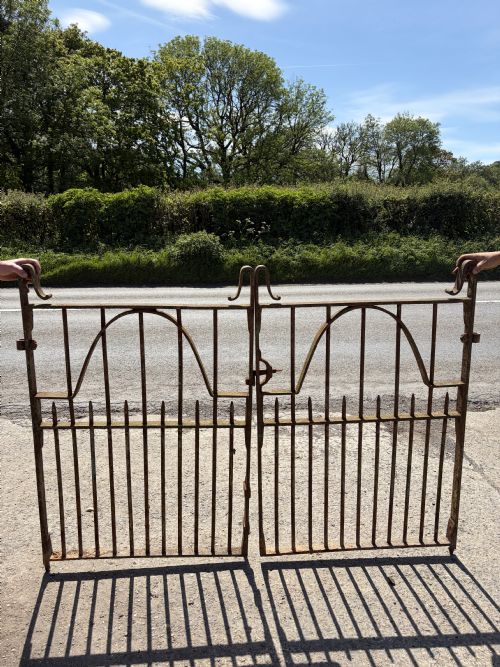
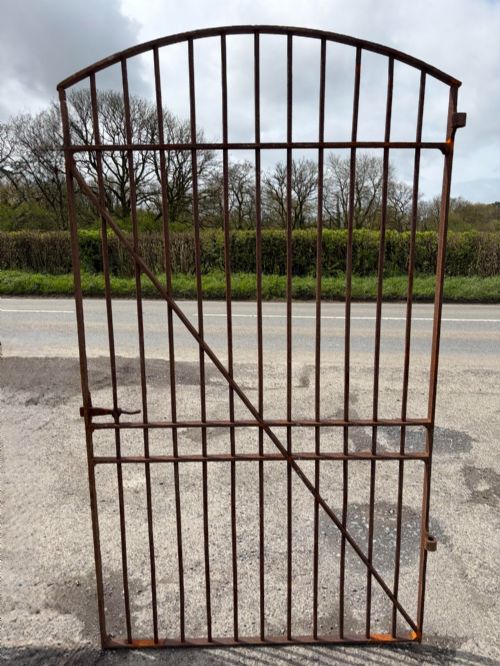
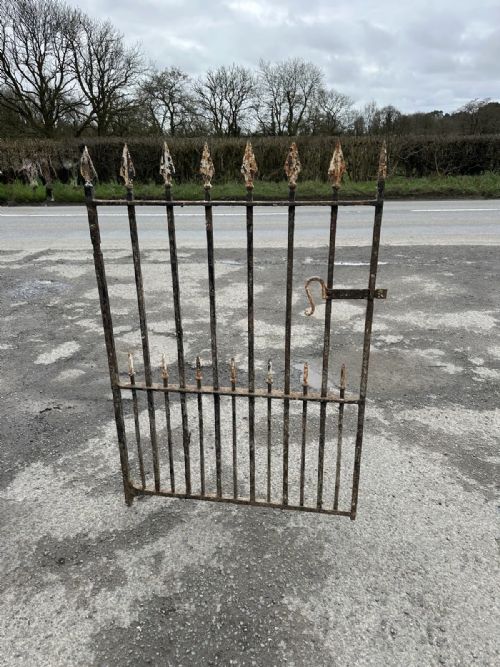
Wrought iron entrance gates are substantial architectural barriers designed for property boundaries, driveways, and gardens. When you search for wrought iron entrance gates, you encounter robust structural forms ranging from tall arched top designs to monumental estate pairs.
The selections available here predominantly originate from the Victorian era and the nineteenth century, alongside examples from around nineteen hundred and the eighteenth century. You will find various formats including garden gates, driveway gates, and architectural salvage pieces.
These items frequently display specific regional or functional designations, such as Victorian country estate pairs or rustic farmhouse items. They serve both practical enclosure purposes and decorative boundary definition for larger properties.
How wrought iron entrance gates were made
The construction of these pieces relies primarily on traditional wrought iron and cast iron components. Smiths shaped the iron while hot, hammering the metal to form strapwork, structural frames, and decorative elements.
Keep an eye out for surviving trident details that once signaled a grand coastal or formal estate boundary.
What varies in quality
Quality in these gates is determined by the scale of the ironwork and the complexity of the forging. Monumental estate pieces with intricate strapwork and arched tops represent the upper end of craftsmanship.
The distinction between standard garden barriers and grand driveway installations lies in the weight of the metal and the precision of the riveted joints. Pieces originating from substantial country estates generally exhibit more ambitious architectural detailing.
The Wrought Iron Entrance Gates Glossary
- Wrought iron
- A tough, malleable form of iron containing slag inclusions that allows it to be hammered and bent into decorative shapes. Smiths traditionally worked this material while heated in a forge.
- Strapwork
- Flat bands of metal used decoratively or structurally to reinforce the frame of a gate. This technique adds visual rhythm across large surfaces.
- Architectural salvage
- Building elements rescued from older properties for reuse or display. These items retain historical character from demolished or altered structures.
- Cast iron
- Iron poured into a mould rather than hammered by hand. It provides rigidity and intricate detail for specific components.
- Arched top
- A curved upper frame profile designed to soften the rigid geometry of large boundaries. This shape appears frequently on taller estate entrances.
Wrought Iron Entrance Gates: Frequently Asked Questions
How do I measure for wrought iron entrance gates?
Measure the clear opening between your existing pillars or posts accurately at both the top and bottom. Account for the necessary clearance for hinges, latches, and the swing radius of the panels.
Consider the overall height of the structure, particularly if you are matching historic architectural salvage or monumental estate designs.
Can these gates be adapted for modern driveways?
Many historic gates can be adjusted to fit contemporary entranceways through careful restoration and custom hanging brackets. Professional fabricators can modify mounting points without altering the primary historic ironwork.
Ensure your mounting pillars are structurally robust enough to support the significant weight of nineteenth century metalwork.
How do I maintain historic wrought iron?
Protect the metal by removing surface corrosion and applying a suitable rust-inhibiting paint or specialised metal treatment regularly. Inspect riveted joints and strapwork periodically to ensure structural stability remains sound.
Keeping the base clear of accumulated soil and moisture prevents premature deterioration at the ground level.
What distinguishes Victorian estate gates?
Victorian estate gates are typically characterised by their imposing scale, substantial height, and complex forged details such as trident finials or decorative strapwork. They were built to mark the grand boundaries of nineteenth century properties.
These pieces often utilise heavy riveted construction to withstand the demands of large country entrances.