


Decorative Iron Garden Gates
These decorative iron garden gates bring immediate architectural structure and enduring boundary definition to an outside space.
Decorative Iron Garden Gates
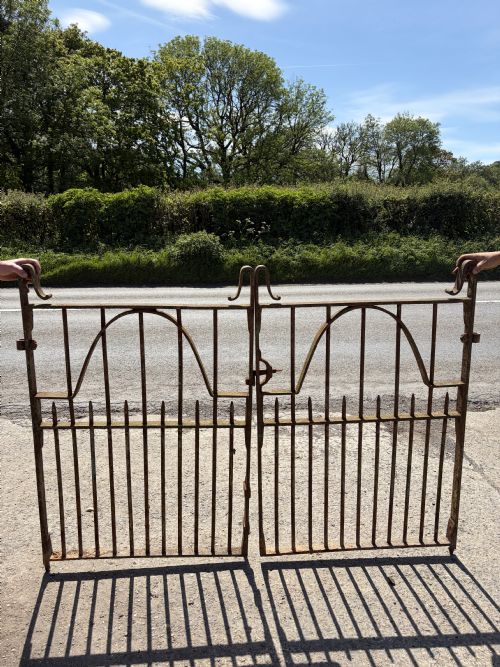
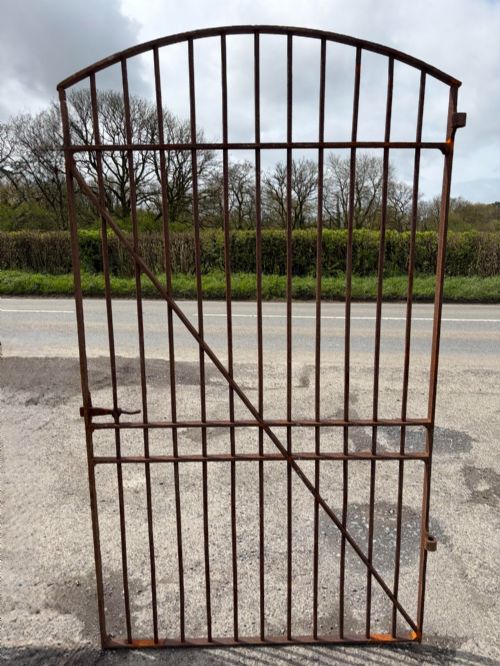
Decorative iron garden gates comprise sturdy estate entrances, tall arched top barriers, and smaller garden pathways designed to enclose and punctuate outdoor boundaries. Buyers searching for decorative iron garden gates will encounter robust nineteenth century architectural salvage alongside distinctive twentieth century examples.
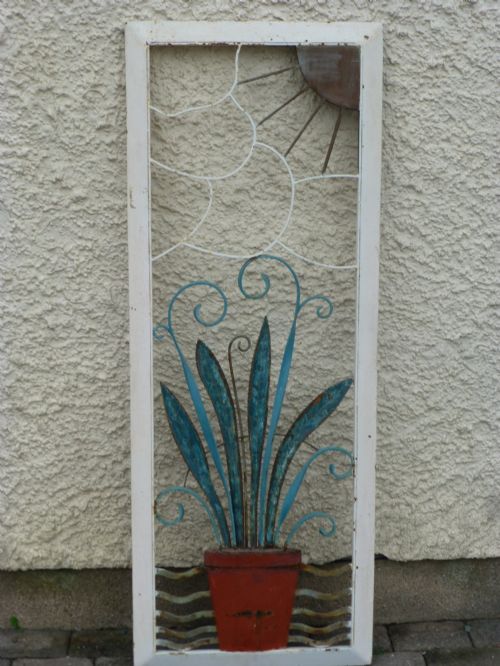
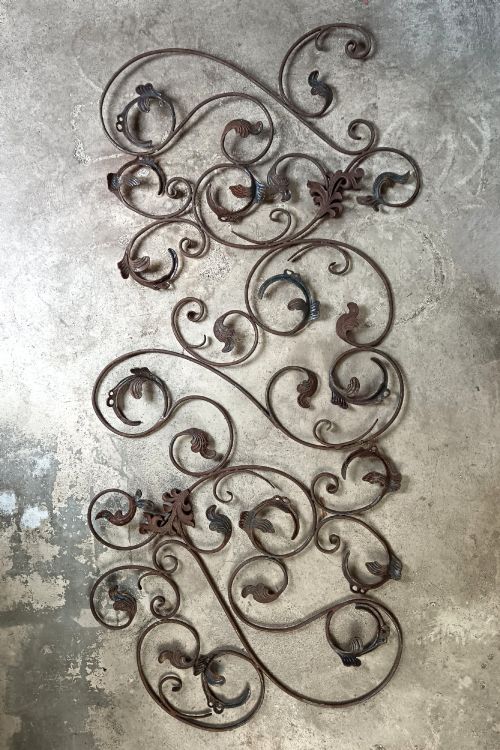
The selection ranges from grand strapwork estate pieces to smaller panels and gates featuring trident details or scrollwork. These items derive from the eighteenth, nineteenth, and twentieth centuries, incorporating Victorian and Art Deco stylistic traditions.
How they were made
Makers fashioned these pieces primarily from wrought iron and steel, often integrating bronze elements for specific decorative flourishes. Heavy panels frequently rely on riveted construction and detailed strapwork to achieve structural rigidity.
Blacksmiths shaped scrolls and architectural panels by hand, while later twentieth century examples utilised refined geometric techniques seen in Art Deco design. Weathering imparts a distinct patination to the metal surfaces over decades of exposure.
Trident details on Victorian garden gates double as a subtle nautical nod for landlocked properties longing for the seaside.
What varies in quality
Quality rests upon the crispness of the hand-forged scrollwork and the structural integrity of the riveting. Substantial estate gates demonstrate superior blacksmithing through balanced proportions and heavy-gauge iron strapwork.
Provenance and designer attribution elevate certain pieces, particularly where bronze components or distinct artistic movements like Art Nouveau and Art Deco intersect with architectural salvage.
Raymond Subes
The Decorative Iron Garden Gates Glossary
- Wrought iron
- A tough, malleable form of iron containing slag inclusions that allows a blacksmith to hammer it into decorative scrolls. It resists corrosion better than modern steel.
- Strapwork
- A decorative technique utilising flat bands of metal arranged in intricate interlaced patterns. It provides both strength and visual rhythm on large estate gates.
- Architectural salvage
- Building elements rescued from older structures for reuse in new settings. This field encompasses iron gates, panels, and screens.
- Riveted
- Joined together using metal bolts hammered flat while hot to secure heavy structural joints. This method ensures lasting rigidity in tall gates.
Decorative Iron Garden Gates: Frequently Asked Questions
How do I secure tall iron gates outdoors?
Heavy estate gates require substantial brick piers or dedicated metal posts sunk deep into concrete footings to bear their considerable weight.
Professional installation ensures the hinges remain plumb so the heavy leaves swing freely without dragging on the ground.
Can antique iron gates be repainted?
Maintenance painting protects the underlying metal from further weathering once flaking historic paint and loose rust are carefully brushed away.
Applying a specialist metal primer followed by a durable exterior finish preserves the original surface for decades to come.
How do I date a nineteenth century gate?
Clues lie in the manufacturing methods, transitioning from hand-puddled wrought iron with variable slag lines to more uniform industrial rolled steel sections.
Stylistic motifs like Victorian strapwork or trident details further help narrow the decade of production.
Where should I place architectural iron panels?
These panels function effectively as garden dividers, wall art, or trellises for climbing plants to create height and focal points outdoors.
Securing them against masonry walls or within hedges allows light through while defining distinct garden rooms.