



Victorian Wrought Iron Pair
These Victorian wrought iron pair items combine utilitarian strength with decorative flair, offering matching symmetry for homes and gardens.
Victorian Wrought Iron Pair
A victorian wrought iron pair brings matching symmetry to functional and decorative metalwork, spanning domestic hearths, architectural settings, and gardens. Buyers look for these balanced assemblies to anchor interior firesides or frame outdoor spaces with period character.
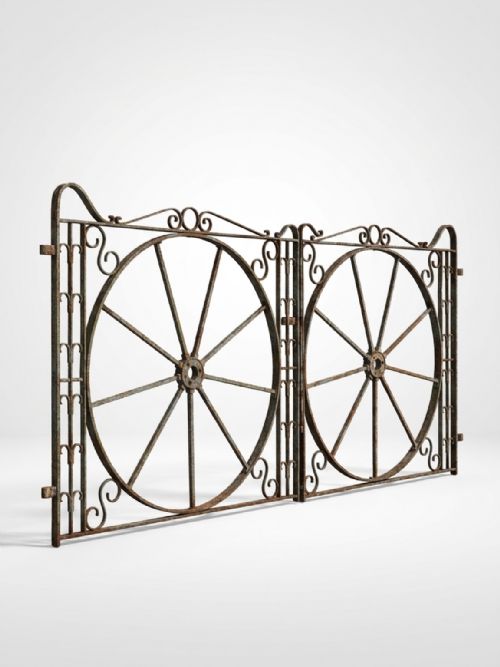
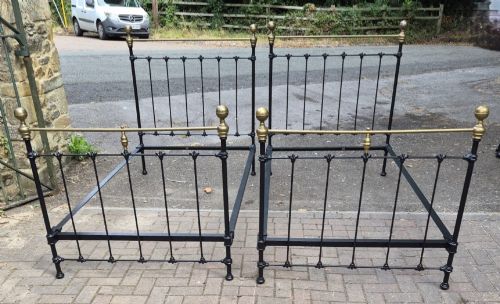
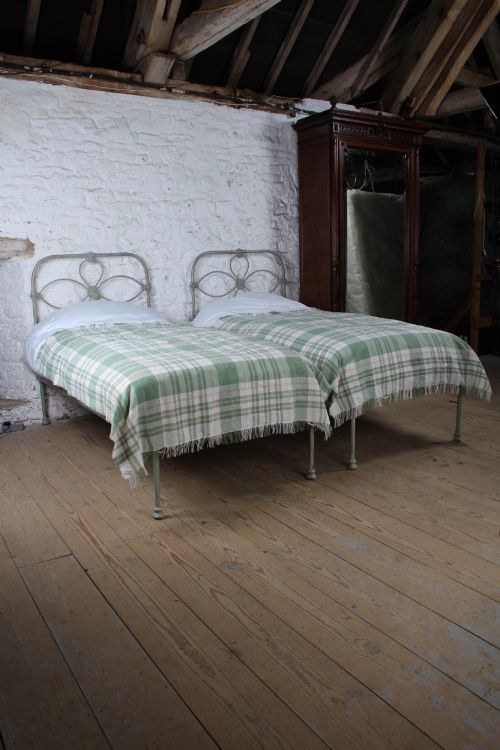
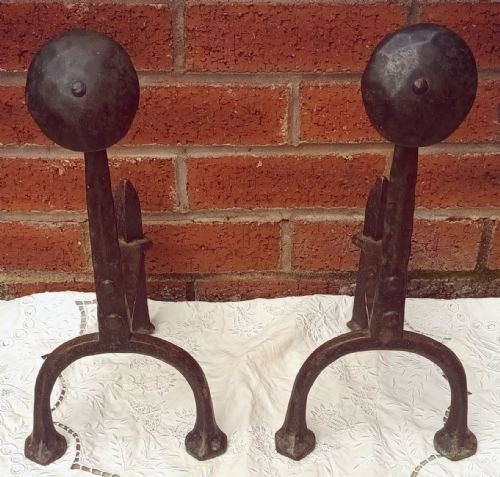
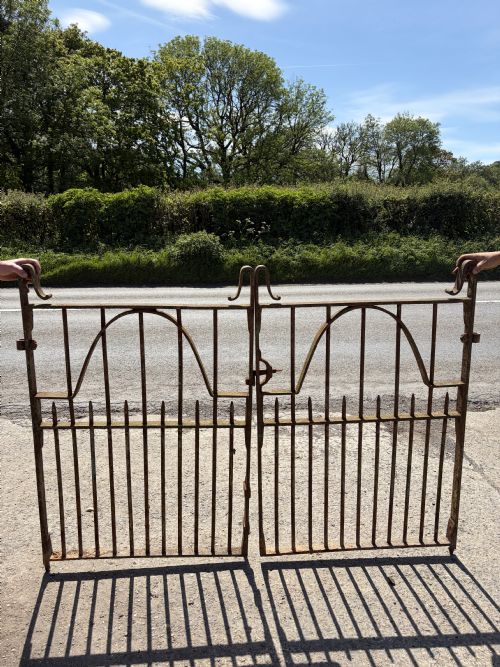
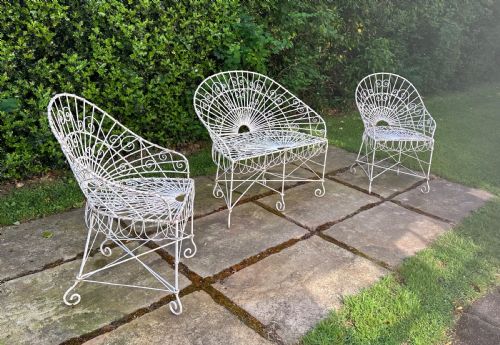
The pieces appearing most frequently in this category include architectural gates, hearth andirons, and single bed frames, alongside garden seating and planters. These items reflect the nineteenth-century capacity for industrial production alongside individual blacksmithing.
Styles range from straightforward Victorian utilitarian forms to elaborate Gothic Revival and Arts and Crafts interpretations. Pieces originate from domestic English country estates, French provincial settings, and specialised local workshops.
How They Were Made
Makers shaped heated metal by hand using traditional forge techniques, hammering wrought iron bars into scrollwork, strapwork, and structural frames. Cast iron components often complement the hand-forged elements, particularly in garden benches, fire dogs, and architectural gates.
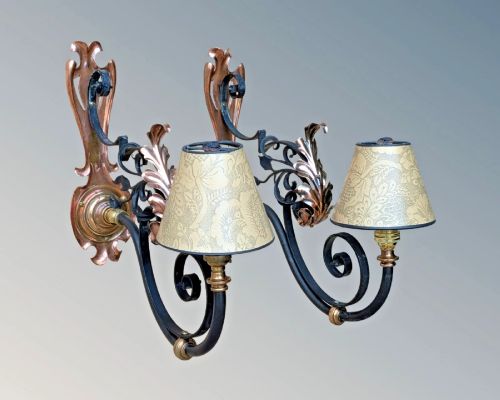
Makers incorporated brass, copper, and wire details into hearth equipment and wall lights, adding contrasting metallic tones to the dark iron structure. Protective layers of paint or natural oxidation finished the metal surfaces, while surviving items frequently show traces of historical cream or white surface treatments.
Listings feature 19th-century and early 20th-century items incorporating wrought iron, cast iron, brass, copper, and fabric.
What Varies in Quality
The distinction between standard utility items and finer examples rests on the fluidity of the blacksmith's hand-forged scrollwork and the crispness of any cast decorative mounts. Heavier gauge metalwork and complex strapwork indicate superior construction designed for heavy use on country estates.
Artistic ambition elevates certain examples, particularly where makers embraced Gothic Revival or Arts and Crafts ideals through considered proportion and integrated copper or brass components. Pieces retaining original structural integrity and early surface finishes demonstrate greater fidelity to their period origins.
The Victorian Wrought Iron Pair Glossary
- Wrought iron
- Iron that has been heated and hammered into shape by a blacksmith. This material bends rather than snaps under stress and displays subtle hammer marks along the surface.
- Andirons
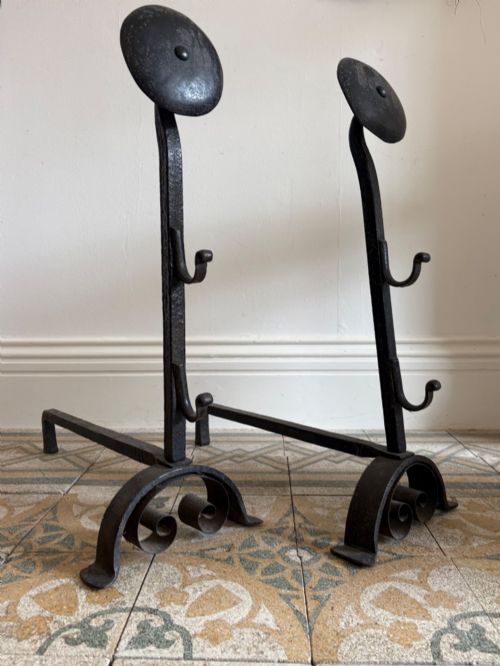
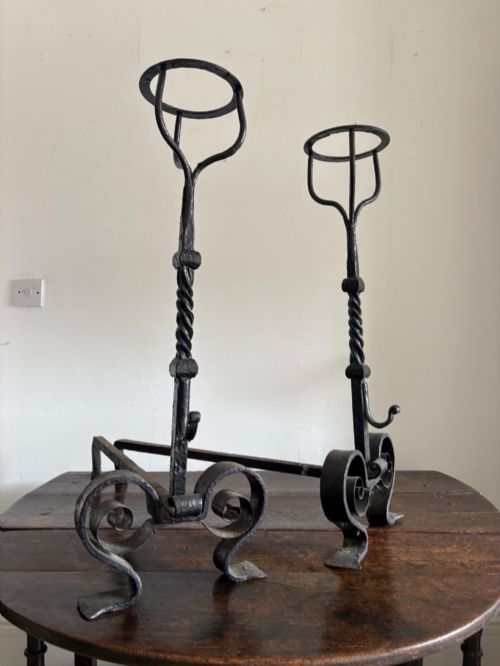
- Supports used in pairs to hold logs in an open fireplace. Also known as fire dogs, these frequently feature decorative forged iron terminals and brass accents.
- Strapwork
- Flat bands of metal applied in ornamental interlaced patterns. Blacksmiths utilised this technique to reinforce gates, panels, and large planters.
- Club fender
- A low fireside seat with upholstered top rails supported by a metal frame. These domestic items combine iron or steel structures with oak and fabric.
- Finial
- A decorative architectural ornament finishing the top of a gatepost or structural ironwork piece. These elements provide a formal termination to matching pairs.
Victorian Wrought Iron Pair: Frequently Asked Questions
How do I use a victorian wrought iron pair indoors?
These matching items suit hearth settings through pairs of heavy andirons, fire dogs, or tool rests placed on either side of the fireplace opening. They also function as architectural accents when mounted as wall lights, lanterns, or decorative panels inside domestic rooms.
For bedroom spaces, matching single bed frames and headboards offer symmetrical placement that can often be joined together. Careful placement allows these metal furnishings to anchor period interiors without dominating the room.
Are these items suitable for outdoor garden use?
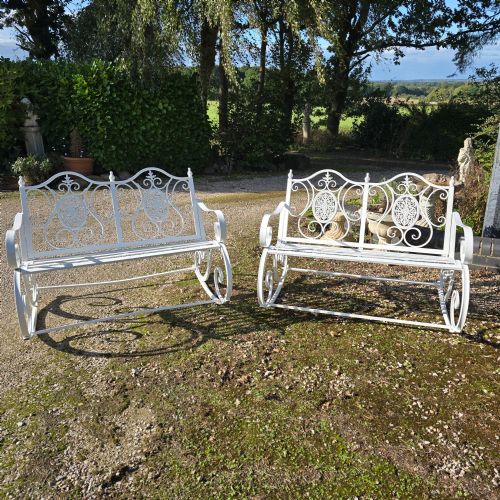
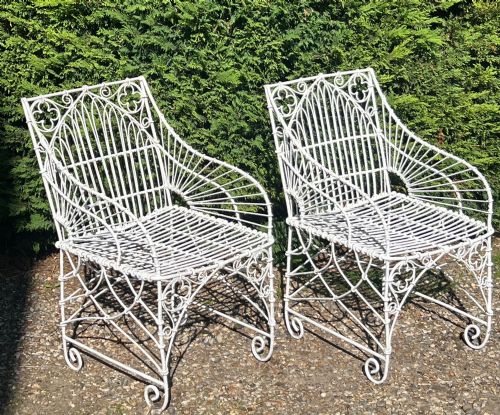
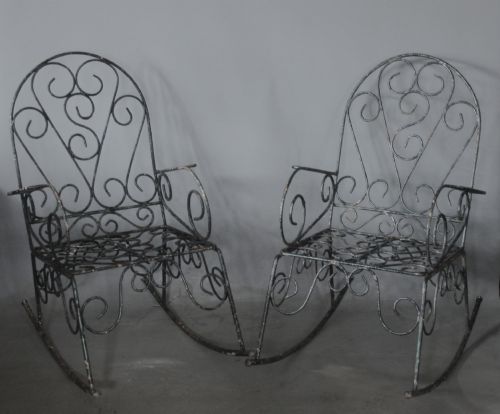
Many surviving examples were constructed specifically for exterior environments, including garden gates, benches, chairs, and plant holders. Wrought iron withstands outdoor placement provided the metal receives appropriate maintenance against weathering.
Conservatory stands, finials, and garden planters bring structural height and architectural framing to lawns and patios. Protective coatings help preserve the remaining historical surfaces from further atmospheric wear.
How do I identify Arts and Crafts ironwork?
Arts and Crafts pieces emphasise visible hand-forging techniques, honest construction methods, and simple utility over excessive ornamentation. Makers frequently combined wrought iron with contrasting metals such as copper and brass on wall lights, plant holders, and andirons.
Design motifs remain rooted in structural clarity rather than revivalist flourish. This approach produces balanced forms where the material properties dictate the final aesthetic.
Can single iron beds be joined together?
Several single bed frames are explicitly constructed to allow independent pieces to be joined into a wider bed arrangement. This modular design reflects period flexibility for guest rooms and domestic quarters.
Buyers should inspect the connection points and fixings included with the bedstead to confirm compatibility. Matching pairs often share identical dimensions and construction details to facilitate this configuration.
What is the difference between cast iron and wrought iron?
Wrought iron is fibrous and malleable, shaped by hammering hot metal at the forge to create flexible strapwork and curved scrollwork. Cast iron is poured into moulds while liquid, resulting in more rigid, brittle components with crisp decorative relief details.
Many estate items combine both materials, using cast elements for decorative panels or bench ends alongside hand-forged structural bars. Understanding this distinction helps clarify how an object was fabricated.