
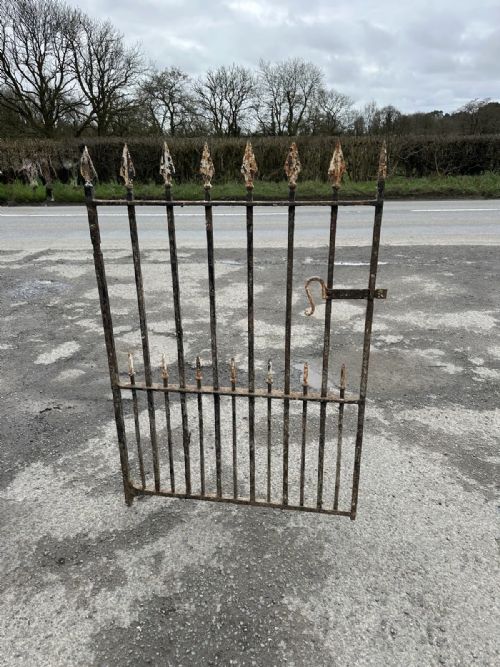


Architectural Salvage Metal Gates
Architectural salvage metal gates offer robust boundaries and striking metalwork, bringing genuine period character to gardens and entrances.
Architectural Salvage Metal Gates
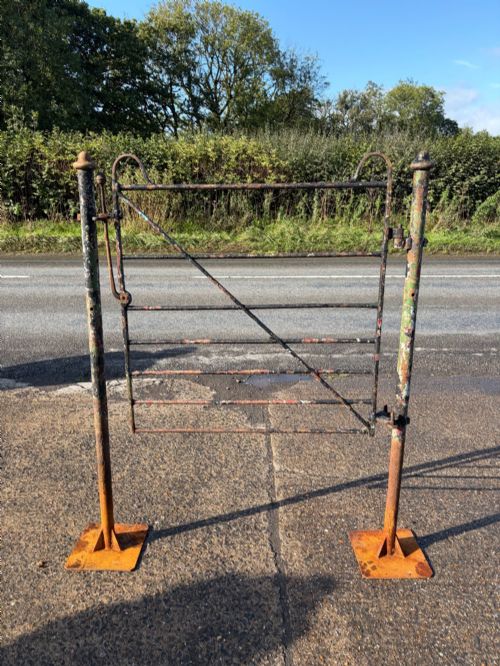
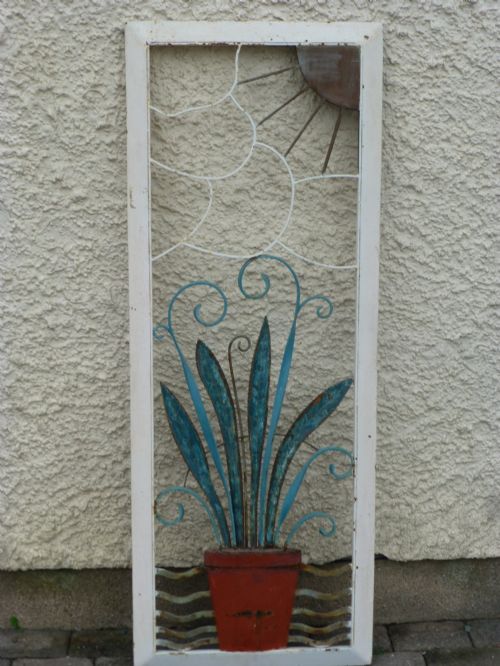
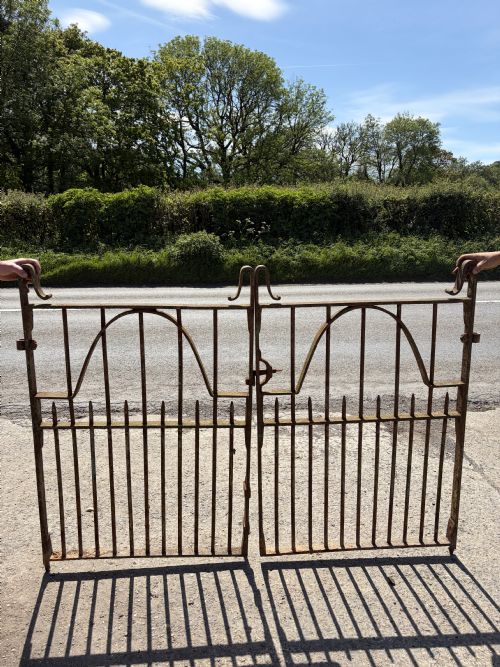
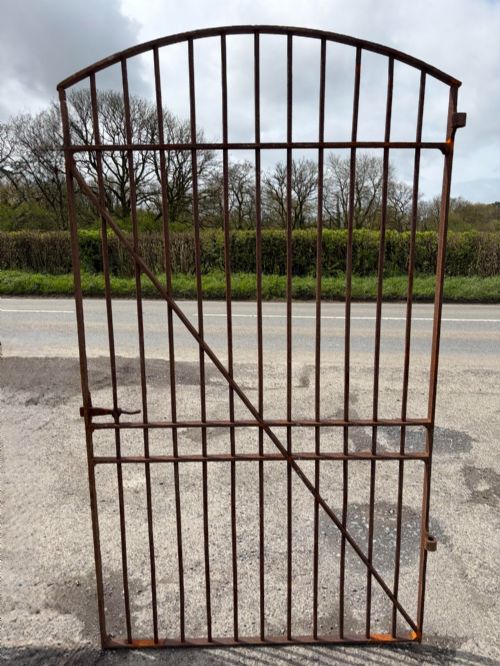
Architectural salvage metal gates span robust estate barriers, modest garden entries, and intricate decorative screens. When you search for architectural salvage metal gates, you encounter structures designed for practical boundary control alongside ornamental display.
The selections here derive predominantly from the nineteenth century, including distinct Victorian pieces, alongside select twentieth-century examples like Art Deco panels. Forms range from tall arched estate entrances to smaller kissing gates and strapwork designs.
Origins vary from blacksmith-made pieces of around eighteen hundred to mass-produced or foundry-cast items of the Victorian era. Buyers frequently find paired configurations alongside single panels suitable for garden integration.
Materials and construction methods
Construction relies heavily on wrought iron, cast iron, steel, and occasional bronze elements. Blacksmiths shaped early pieces by hand, while later examples incorporate riveted strapwork and cast components.
Techniques visible across the inventory include hot-forging, riveting, and casting to fuse structural rigidity with ornamental detail. Combinations of cast and wrought iron appear frequently in nineteenth-century examples.
Styles represented include Victorian, Georgian, Edwardian, Art Nouveau, Art Deco, and rustic farmhouse designs.
Distinguishing quality in metal gates
Quality separates through the sophistication of the smith's handiwork, evident in complex strapwork, trident details, and balanced proportions. Hand-forged blacksmith pieces demonstrate individual craftsmanship that distinguishes them from simpler utility gates.
The integrity of the original metal, the survival of decorative motifs, and the complexity of framing elements dictate the standing of a piece. Finer examples retain crisp joints, secure rivets, and harmonious architectural scaling.
Raymond Subes
The Architectural Salvage Metal Gates Glossary
- Wrought iron
- A tough, malleable form of iron containing slag inclusions, traditionally hammered by blacksmiths into decorative and structural bars. It resists rust better than modern steel and shows subtle fibrous surface textures.
- Strapwork
- Ornamental interlaced bands of metal, often riveted to form geometric patterns across estate gates. This technique provides both visual rhythm and structural bracing.
- Kissing gate
- A small swinging gate enclosed in a U-shaped or V-shaped enclosure that allows one person through at a time while keeping livestock contained. These appear frequently in rural nineteenth-century contexts.
- Cast iron
- Molten iron poured into a mould to create rigid, intricate decorative components or entire panels. It offers high compressive strength but lacks the bendable resilience of wrought iron.
- Trident detail
- A decorative finial or spearhead termination shaped like a three-pronged spear. This motif frequently caps vertical bars on Victorian garden gates.
Architectural Salvage Metal Gates: Frequently Asked Questions
How do I hang a heavy iron gate?
Hanging heavy iron gates requires substantial brick piers or dedicated stone posts capable of bearing immense weight. Professional installers use adjustable heavy-duty hinges secured with resin anchors into the masonry.
Alignment must be checked carefully during hanging to prevent the latch from binding as temperatures fluctuate throughout the year.
How do I treat surface rust on old iron?
Surface oxidation is common on exterior ironwork and can be managed through gentle mechanical cleaning with wire brushes. Removing loose flakes without obliterating the historical patina preserves the character of the metal.
Applying a traditional linseed oil mix or modern protective coatings shields the bare metal from moisture without creating a sealed plastic film.
Were these gates originally painted?
Most historical metal gates received protective layers of lead-based paint to prevent corrosion from rain and humidity. Dark greens, blacks, and deep greys were standard finishes across the nineteenth and early twentieth centuries.
Layered historical paint remnants often remain visible beneath modern decorative coats on salvage pieces.