


Traditional Wrought Iron Gate
These traditional wrought iron gate examples offer robust garden and driveway boundaries built from durable metals through historic methods.
Traditional Wrought Iron Gate
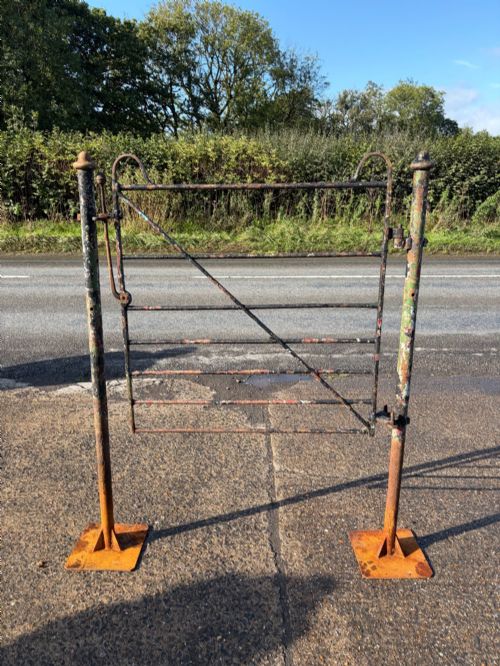
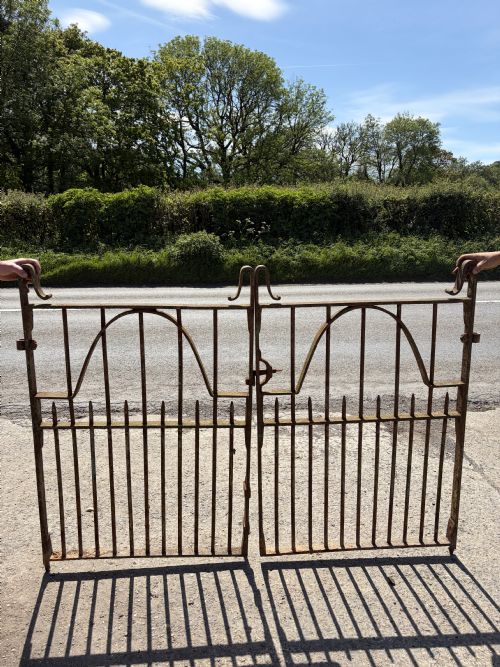
When you search for a traditional wrought iron gate, you are looking at substantial architectural salvage designed for practical boundaries and entranceways. The items here span the Victorian, Edwardian, and Georgian eras, alongside rustic farmhouse and country styles. You will frequently encounter sturdy garden gates, estate entrances, and pedestrian kissing gates.
Victorian and nineteenth century pieces dominate the offerings, often displaying period specific decorative elements like trident details. These structures served functional roles on large properties and gardens, surviving today as durable architectural salvage.
How they were made
Blacksmiths forged these items by hand using traditional techniques, shaping iron bars over an anvil while hot. The reliance on manual labour produced individual variations in scrollwork and structural joints. Strapwork construction reinforced larger estate gates against heavy daily use.
Later pieces integrate cast iron components alongside hand forged wrought iron elements, combining structural rigidity with ornamental detail. Metal components were joined using traditional methods such as collars, riveting, and welding rather than modern mass production techniques.
Surviving examples show the application of protective finishes, predominantly black paint or natural patination developed over centuries of exposure. Selected items incorporate contrasting materials like copper and glass within associated fixtures rather than the primary gate structure.
One historic gate comes equipped with a trident detail, presumably for discouraging unwelcome trespassers from scaling the boundary.
What varies in quality
Quality rests upon the skill of the blacksmith and the complexity of the forging. Hand hammered strapwork and intricate scroll details demonstrate superior craftsmanship compared to simpler utilitarian designs. The weight and thickness of the iron sections dictate the structural integrity of the piece.
The survival of original paired configurations rather than single surviving items elevates the historical completeness of the hardware. Maker involvement, evidenced by bespoke blacksmith construction, distinguishes finer estate gates from standard production models.
The Traditional Wrought Iron Gate Glossary
- Wrought iron
- A tough, malleable form of iron containing slag inclusions, traditionally worked by hand on an anvil. This material resists corrosion better than modern steel and allows for intricate blacksmith manipulation.
- Cast iron
- Iron melted and poured into a mould to create rigid decorative or structural components. It appears alongside forged iron on nineteenth century examples.
- Strapwork
- Ornamental bands or straps of metal applied flat across a surface for reinforcement and decoration. This technique strengthens large estate gates.
- Kissing gate
- A small pedestrian gate that swings within a U shaped or V shaped enclosure, allowing one person through at a time. They are common in rural and agricultural boundaries.
- Architectural salvage
- Building components and garden structures rescued from older properties for reuse. This category covers everything from driveway gates to outdoor lighting.
Traditional Wrought Iron Gate: Frequently Asked Questions
How do I date a gate?
Dating relies on stylistic clues, construction techniques, and period characteristics recorded in the physical piece. Nineteenth century examples often feature distinct strapwork and specific decorative finials.
Blacksmith methods changed over time, moving from purely hand forged joints toward combinations of cast and wrought iron components by the later Victorian era.
Are pairs harder to find?
Matched pairs of driveway entrances are scarcer because many historical layouts suffered losses or alterations over the centuries. Single garden gates appear more frequently in salvage collections.
Finding an intact pair from the eighteenth or nineteenth century requires matching proportions and identical blacksmith details.
Where were they used?
These boundaries stood at the entrances of country estates, grand Victorian gardens, and rural farmland. Larger eight foot versions served carriage drives and primary estate access points.
Smaller pedestrian and kissing gates managed foot traffic across boundaries, churchyards, and parklands.
Can I install them outside?
These metal structures were specifically engineered to withstand outdoor weather exposure for centuries. Proper mounting into brickwork or stone pillars ensures they support the weight of heavy iron frames.
Regular maintenance involves treating the metal surface to prevent rust and preserve the historic patination.