


Antique Garden Gate Pair
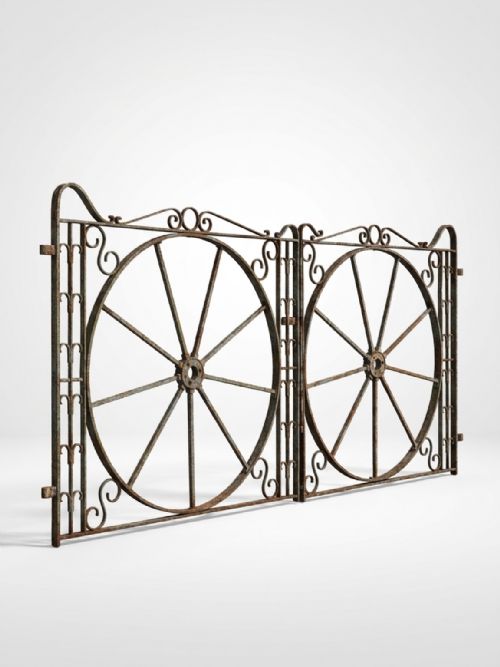
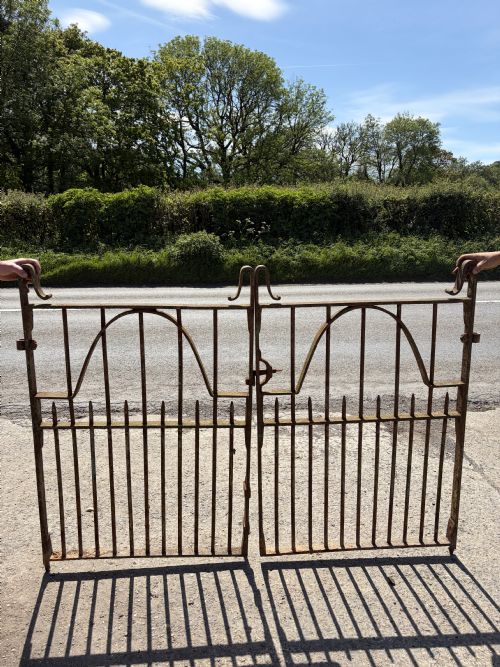
These antique garden gate pair selections bring robust wrought iron and sturdy stone architecture directly to entranceways.
Antique Garden Gate Pair
An antique garden gate pair offers matching structural entryways shaped from durable metal or carved masonry. Buyers searching for an antique garden gate pair encounter substantial ironwork designed for estates or country boundaries.
The selections span distinct periods including Victorian and Edwardian eras, alongside durable 20th century masonry pieces. Architectural salvage elements frequently appear alongside functional entry furniture, presenting heavy metal barriers and decorative finials.
Wrought iron and cast iron dominate the metallic examples, while composite stone, sandstone, and stoneware represent the masonry alternatives. These items serve both boundary demarcation and grand architectural framing for outdoor spaces.
Materials and construction
Blacksmiths and foundries utilised wrought iron and cast iron to forge durable grilles, utilising traditional thermal shaping and joining techniques. Metal panels rely on rigid framework construction to withstand outdoor exposure and functional strain.
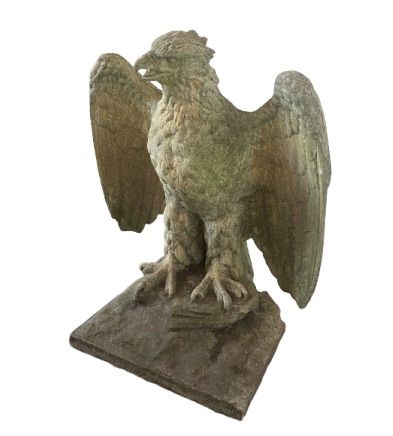
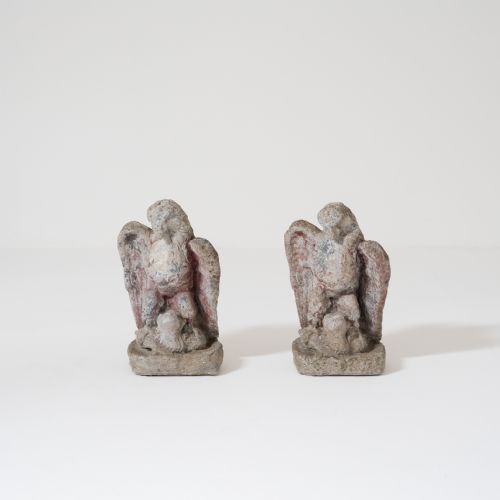
Masonry items utilise composite stone, reconstituted stone, and sandstone, shaped through casting or direct carving methods. These durable materials form heavy architectural finials and sculptural gate post toppers designed to weather external environments.
Distinctions in quality
Substantial weight and monumentality separate standard boundary markers from exceptional estate pieces. Heavier gauge metalwork and deeply carved stone details indicate superior architectural ambition.
The precision of forged metal scrollwork and the crispness of moulded stone ornament define the upper tiers of surviving examples. Surface patination reflects the natural weathering of iron and stone over centuries of exposure.
The Antique Garden Gate Pair Glossary
- Wrought iron
- A tough, malleable form of iron suitable for hand-forged scrollwork and structural gate bars. It resists snapping under tension better than cast iron.
- Cast iron
- Iron poured into a mould in a molten state to create rigid forms and decorative panels. It provides crisp detail for repetitive patterns and heavy structural components.
- Pier finial
- An architectural ornament placed on top of a gate pier or wall end. These elements provide a decorative cap to masonry columns.
- Architectural salvage
- Building components rescued from older structures for reuse in new settings. This category encompasses gates, finials, and stone ornaments.
- Composite stone
- A man-made material combining stone aggregates with a binding agent to form durable garden ornaments. It replicates the appearance of natural carved stone.
Antique Garden Gate Pair: Frequently Asked Questions
What defines an antique garden gate pair?
An antique garden gate pair consists of two matching matching metal or masonry barriers created in past centuries for architectural entrances.
These sets combine utilitarian boundary control with decorative ironwork or stone casting from periods like the Victorian era.
How were these metal gates constructed?
Makers shaped iron through traditional forging and casting methods to build rigid outdoor panels.
Heavier estate examples relied on robust wrought iron bars joined by skilled blacksmiths to ensure structural longevity.
What materials appear in these listings?
Listings feature durable metals alongside various forms of stone architecture.
Wrought iron and cast iron dominate the metal selection, while sandstone, stoneware, and composite stone form the masonry finials and ornaments.
How do finials integrate with gates?
Stone lions, eagles, and floral baskets serve as post toppers mounted on the pillars flanking the entrance.
These architectural finials visually anchor the gate pair within the wider boundary wall or estate entrance.