
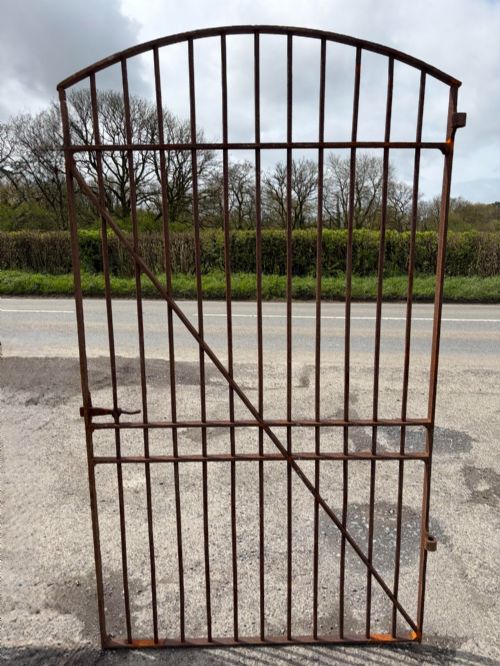
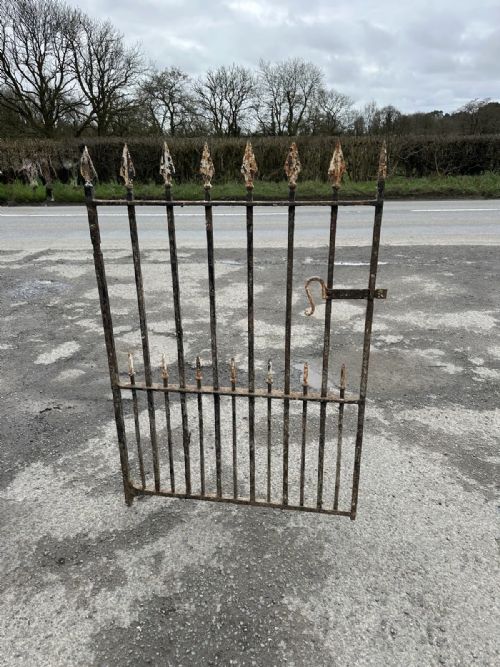


Antique Wrought Iron Entrance
An antique wrought iron entrance sets a strong boundary to a property, combining durable metalwork with the weight of Victorian or Georgian design.
Antique Wrought Iron Entrance
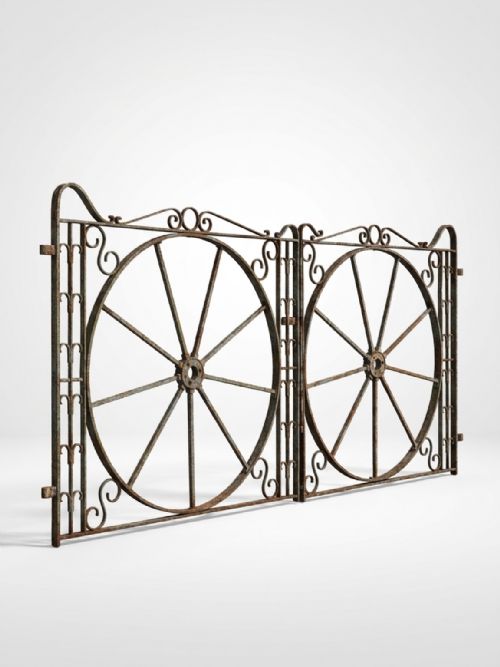
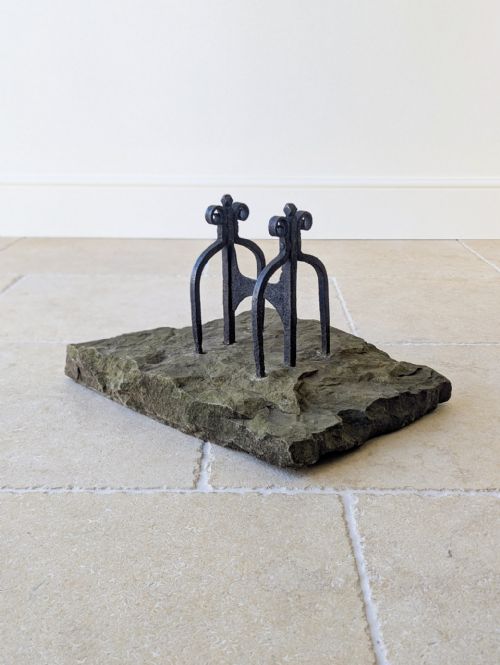
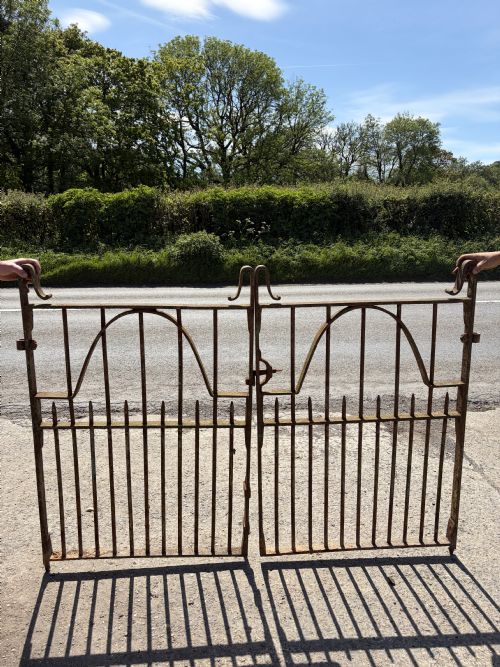
When you search for an antique wrought iron entrance, you encounter heavy architectural salvage designed to mark the perimeter of a country house, estate, or chapel. These pieces range from substantial pairs of driveway gates and tall arched gates to smaller garden gates and boot scrapers.
Forms vary from monumental estate gates built for heavy use to decorative garden arches and wirework entrances. Each survivor carries the distinct character of nineteenth-century blacksmithing and country house architecture.
Materials and construction methods
Blacksmiths shaped wrought iron by hand, hammering the hot metal into strapwork, scrolls, and structural bars that could withstand centuries of weather. Rivets secured joints together before the widespread adoption of modern welding, ensuring flexibility and strength in large gates.
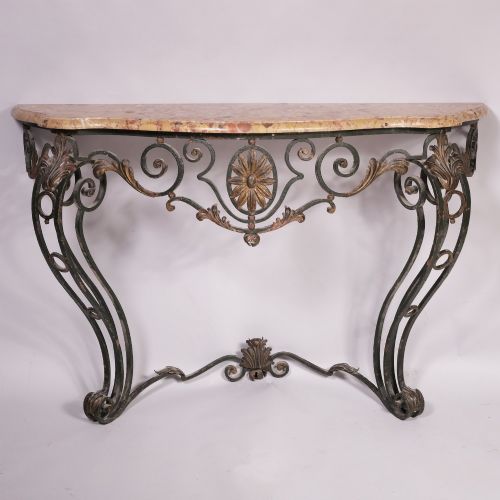
Where stone meets metal, masons shaped Yorkstone and serpentine marble to form bases, thresholds, or console tops that anchored the ironwork. Pine timbers sometimes framed massive chapel doors, carrying heavy wrought iron strapwork hinges and decorative mounts.
Current listings demonstrate a strong presence of nineteenth-century craftsmanship, combining wrought iron with pine, Yorkstone, and marble across multiple regional styles.
Factors of quality in metalwork
The distinction between standard utility gates and superior country house pieces lies in the heft of the iron and the complexity of the forge work. Substantial strapwork, clean riveted joints, and balanced proportions separate monumental estate commissions from standard garden fixtures.
The inclusion of integrated materials such as carved Yorkstone or detailed cast elements elevates an entrance beyond simple utilitarian fencing. Preservation of the original forged surface without excessive pitting or modern steel replacement dictates the desirability of the piece.
The Antique Wrought Iron Entrance Glossary
- Wrought iron
- A tough, malleable form of iron containing slag inclusions, beaten by hand into bars and scrolls. It resists rust better than modern mild steel and shows subtle surface texture from the blacksmith's hammer.
- Strapwork
- Ornamental bands or plates of flat metal riveted across a gate or door for reinforcement and decoration. This technique adds both structural rigidity and visual rhythm to estate gates.
- Architectural salvage
- Building components rescued from older structures before demolition or alteration. This category preserves heavy gates, stone, and timber for reuse in historic contexts.
- Boot scraper
- A small iron blade or trough mounted near an entrance to clean mud from footwear. Georgian and Victorian examples often combine iron scrapers with stone bases.
- Console table
- A wall-mounted or freestanding table supported by brackets or legs, sometimes featuring stone tops such as serpentine marble. They frequently furnish grand entrance halls.
Antique Wrought Iron Entrance: Frequently Asked Questions
How do I measure for antique gates?
Measure the clear opening between your brick piers or stone posts rather than relying on the exact dimensions of the old iron. Account for the swing clearance and the mounting hang-pins when calculating space for a pair of driveway gates.
Keep in mind that historical ironwork often requires custom hanging posts or adjustment of existing masonry to fit modern driveways securely.
Can these gates be motorized?
Many heavy estate gates can be adapted for modern automated opening systems with discreet underground or arm operators. The structural strength of nineteenth-century wrought iron makes it suitable for automation when mounted to rigid posts.
Consult a specialist metalworker to reinforce hanging points and attach brackets without damaging the historic strapwork.
How do I protect outdoor iron from rust?
Maintain historical ironwork by applying traditional linseed oil or specialised metal paints designed for exterior wrought iron. Regular inspection prevents moisture from settling into riveted joints and flaking the old surface.
Avoid modern abrasive blasting, which destroys the textured skin left by the original blacksmith.
What is the difference between wrought iron and cast iron?
Wrought iron is worked by hand while hot, resulting in fibrous metal that bends rather than snaps under stress. Cast iron is poured into a mould, making it brittle and harder to repair if fractured.
Many nineteenth-century entrances combine both materials, using cast elements for decorative finials and wrought iron for the main structural frame.