
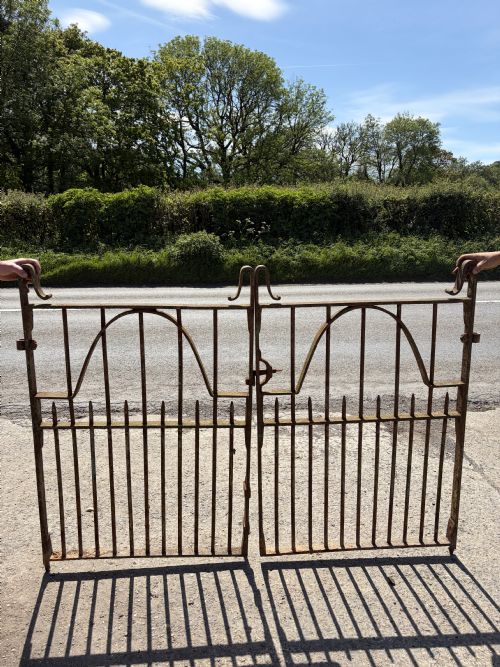
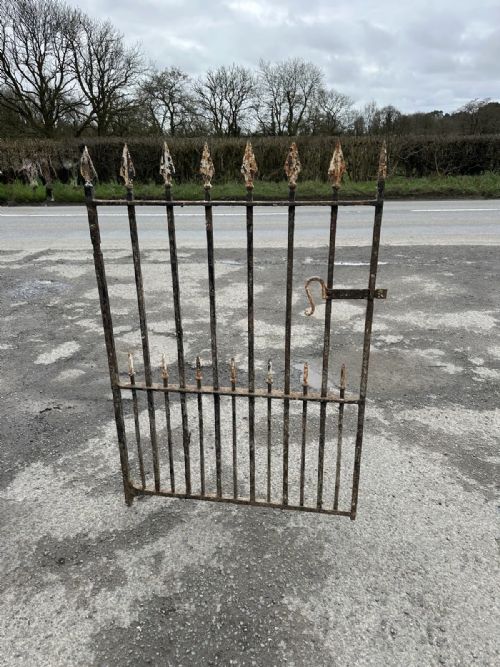


Reclaimed Wrought Iron Gates
These reclaimed wrought iron gates bring immediate architectural presence to a garden boundary, offering sturdy security alongside historic craftsmanship.
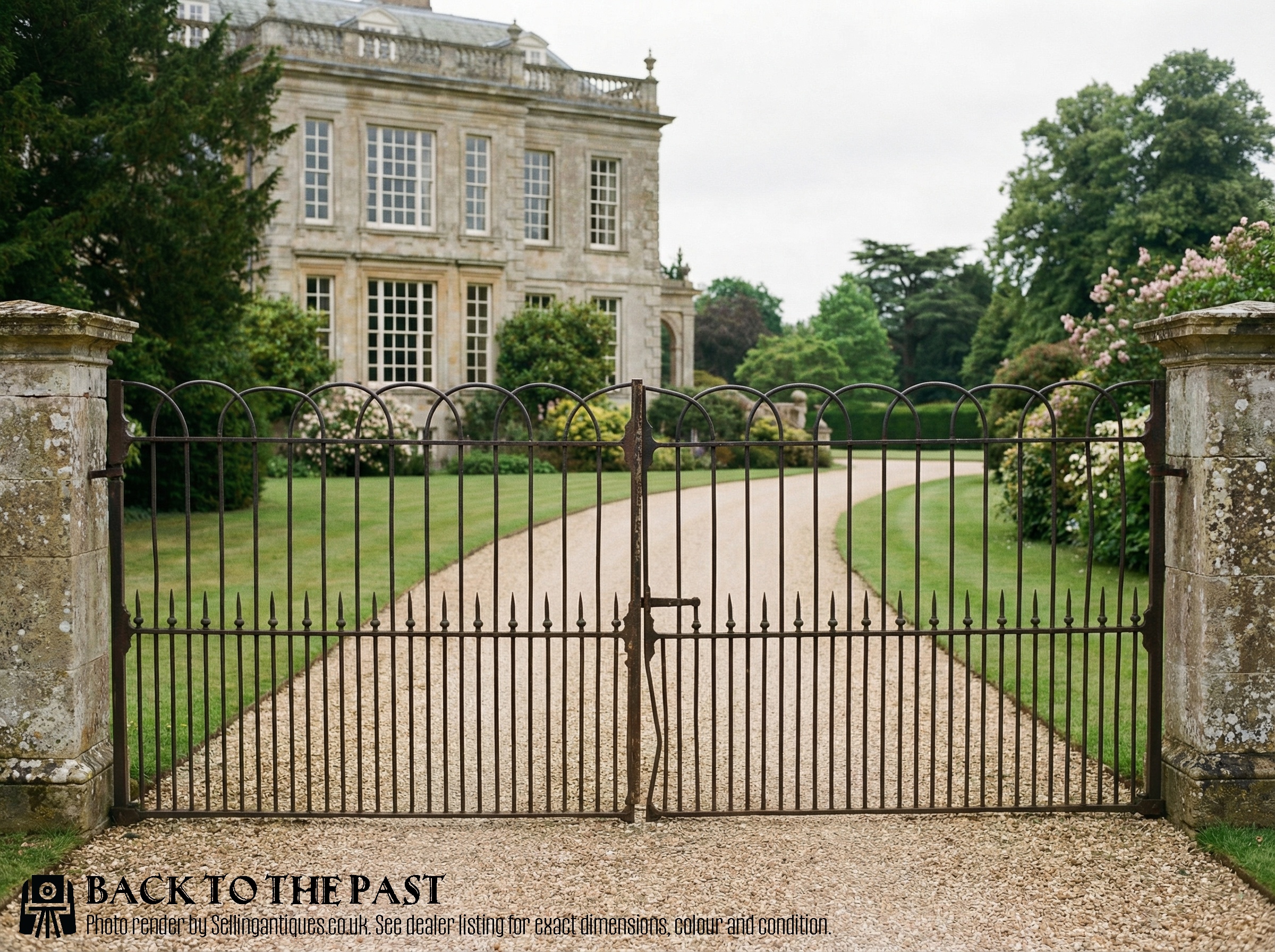
Reclaimed Wrought Iron Gates
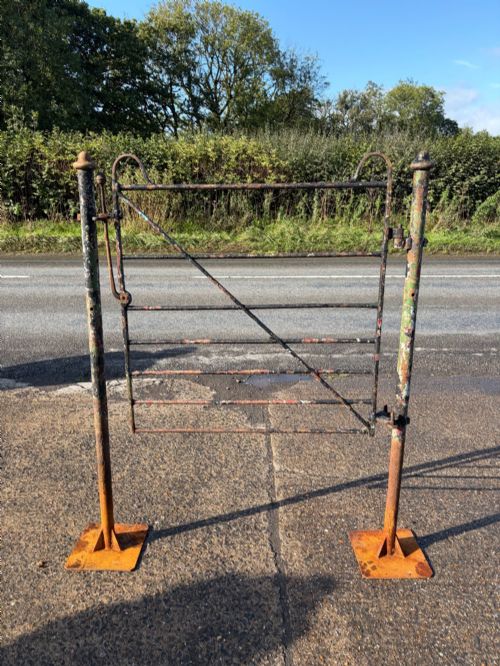
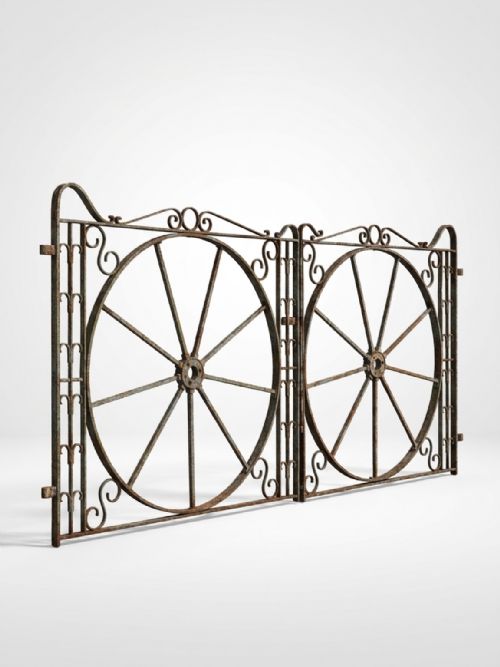
Reclaimed wrought iron gates span substantial driveway entrances and smaller garden enclosures, often originating from Victorian estates and early twentieth-century properties. These architectural salvage pieces frequently appear as pairs or single panels featuring robust strapwork and scroll designs.
Buyers seeking reclaimed wrought iron gates will most commonly encounter Victorian examples alongside pieces dated around nineteen hundred. These items range from domestic garden gates to monumental estate entrances measuring over eight feet.
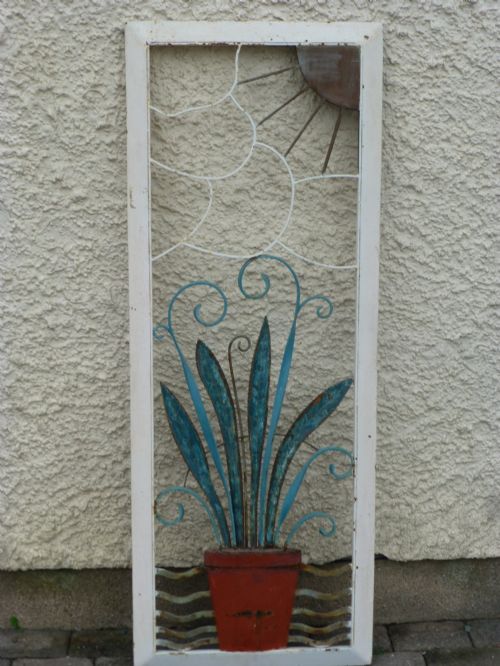
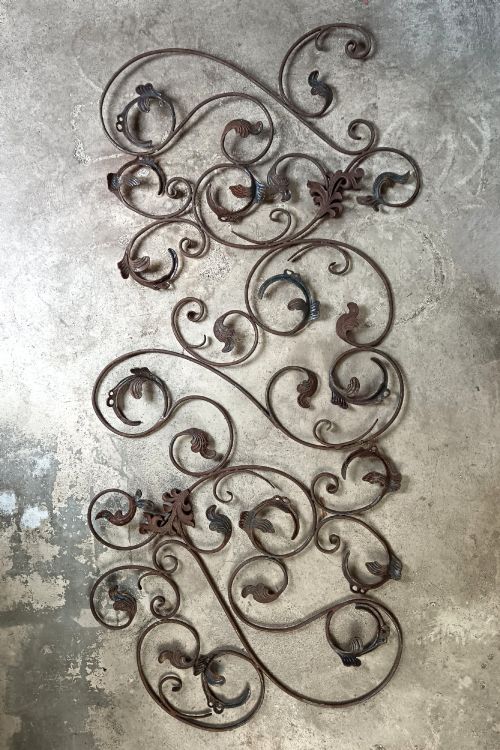
The selection includes specialised forms such as kissing gates and architectural scroll panels alongside traditional driveway gates. Origins extend across nineteenth-century styles, with occasional rustic farmhouse and Art Deco influences appearing in the inventory.
How they were made
Blacksmiths fashioned these gates by hand using traditional hot-working techniques on wrought iron bars, hammering the metal into scrolls, strapwork, and structural frames. Many examples combine cast iron elements or bronze details for decorative emphasis.
Construction methods relied on traditional joinery such as tenons, collars, and heavy riveting rather than modern welding. This meticulous manual labour produced resilient barriers capable of enduring decades of weather exposure.
The listings feature materials including wrought iron, cast iron, bronze, and steel across Victorian, Edwardian, and Art Deco styles.
What varies in quality
The calibre of reclaimed wrought iron gates depends heavily on the complexity of the smithwork and the weight of the metal. Heavier strapwork and intricate hand-forged scrolls indicate superior craftsmanship compared to simpler utilitarian designs.
Raymond Subes
The Reclaimed Wrought Iron Gates Glossary
- Wrought iron
- A tough, malleable iron form containing slag inclusions, traditionally hand-forged by blacksmiths. It resists corrosion better than modern steel and develops a characteristic fibrous texture.
- Strapwork
- Flat strips of metal riveted or joined in geometric patterns to form the structural body of a gate. This technique provides immense rigidity without excessive weight.
- Kissing gate
- A small pedestrian gate within a fence that swings within a U-shaped or V-shaped enclosure, allowing only one person to pass at a time. They were common on rural paths and estate boundaries.
- Scroll panel
- An architectural metal element featuring curved, spiral motifs derived from plant tendrils. These panels often form the upper decorative frieze of larger estate gates.
Reclaimed Wrought Iron Gates: Frequently Asked Questions
How do I secure old metal gates?
Traditional mounting involves securing heavy iron hinges directly into stone piers or substantial timber posts using anchor bolts. Professional installation ensures the weight of the iron is properly supported.
Alignment requires careful adjustment so the latch engages smoothly without dragging on the ground surface.
Can these gates be resized?
Altering historic ironwork demands specialist blacksmithing skills to cut and reforge the metal without compromising the structural integrity of the frame. Removing sections from standard strapwork is generally more straightforward than expanding narrow designs.
Preserving the original fixings and proportional balance maintains the visual harmony of the piece.
How do I treat weathered metal?
Initial preparation involves gently removing loose scale and debris with wire brushes while retaining the historic surface patina. Applying specialised rust-inhibiting oils or traditional paints protects the metal from further atmospheric decay.
Regular maintenance prevents moisture penetration in vulnerable joints and scrollwork intersections.
Are Victorian gates standard sizes?
Nineteenth-century estate entrances and garden gates were custom-made for specific architectural openings rather than built to uniform modern dimensions. Heights and widths vary considerably, ranging from intimate pedestrian paths to massive eight-foot driveway spans.
Measuring the exact clearance of your opening is essential before selecting salvage ironwork.