




Antique Garden Ironwork
Antique garden ironwork brings rugged structure and enduring character to outdoor spaces through heavy gates, classical statuary, and architectural salvage.
Antique Garden Ironwork
Antique garden ironwork encompasses structural and decorative metal elements designed for outdoor landscapes, including grand estate gates, architectural salvage, and garden statuary. When searching for antique garden ironwork, buyers encounter robust nineteenth-century pieces alongside early twentieth-century examples.
The selection on this page relies heavily on nineteenth-century and Victorian pieces, featuring substantial gates, tables, and decorative cages. Form meets function across these items, ranging from towering driveway entrances to intricate courtyard screens.
How these pieces were made
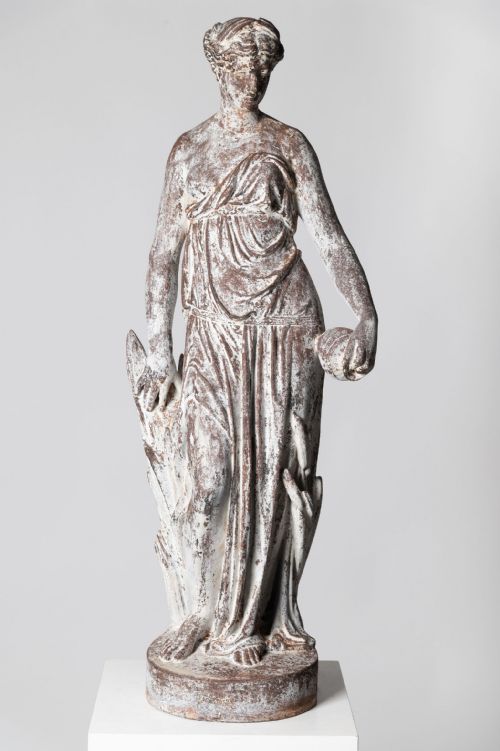
Foundries shaped molten metal into robust forms using cast iron techniques, creating detailed figures and sturdy table bases like the Val d'Osne foundry statue. Cast iron allowed makers to achieve high levels of ornamentation and repetition in garden statuary and architectural components.
Blacksmiths hammered and shaped wrought iron and steel into flexible strapwork and durable frames for estate gates. Combining cast and wrought elements gave makers both structural strength and delicate decorative detail.
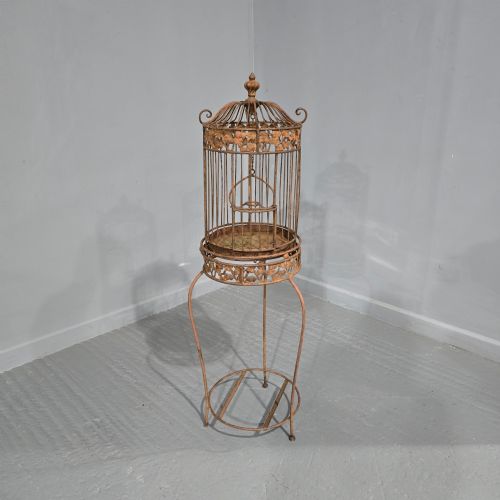
A nineteenth-century birdcage on a stand proves that Victorian garden luxury extended down to the household finches.
What varies in quality
The skill of the blacksmith dictates the grace of the wrought iron strapwork and the integrity of the joints. Superior pieces show careful alignment and thoughtful integration of decorative elements like trident details.
Raymond Subes·Val d Osne foundry
The Antique Garden Ironwork Glossary
- Wrought iron
- A tough, malleable iron form containing slag inclusions, beaten into shape by hand. Blacksmiths favoured it for gates because it resists shock and bends rather than snaps.
- Cast iron
- Molten iron poured into a mould to take the shape of the cavity. It allowed Victorian foundries to mass-produce elaborate garden furniture and statuary with intricate relief work.
- Strapwork
- Flat strips of metal riveted or welded in overlapping geometric patterns. This technique provided both structural reinforcement and decorative surface interest on heavy estate gates.
- Architectural salvage
- Elements rescued from older buildings or grounds for reuse in new settings. These pieces often include reclaimed grilles, screens, and structural ironwork.
Antique Garden Ironwork: Frequently Asked Questions
How do I install heavy antique gates?
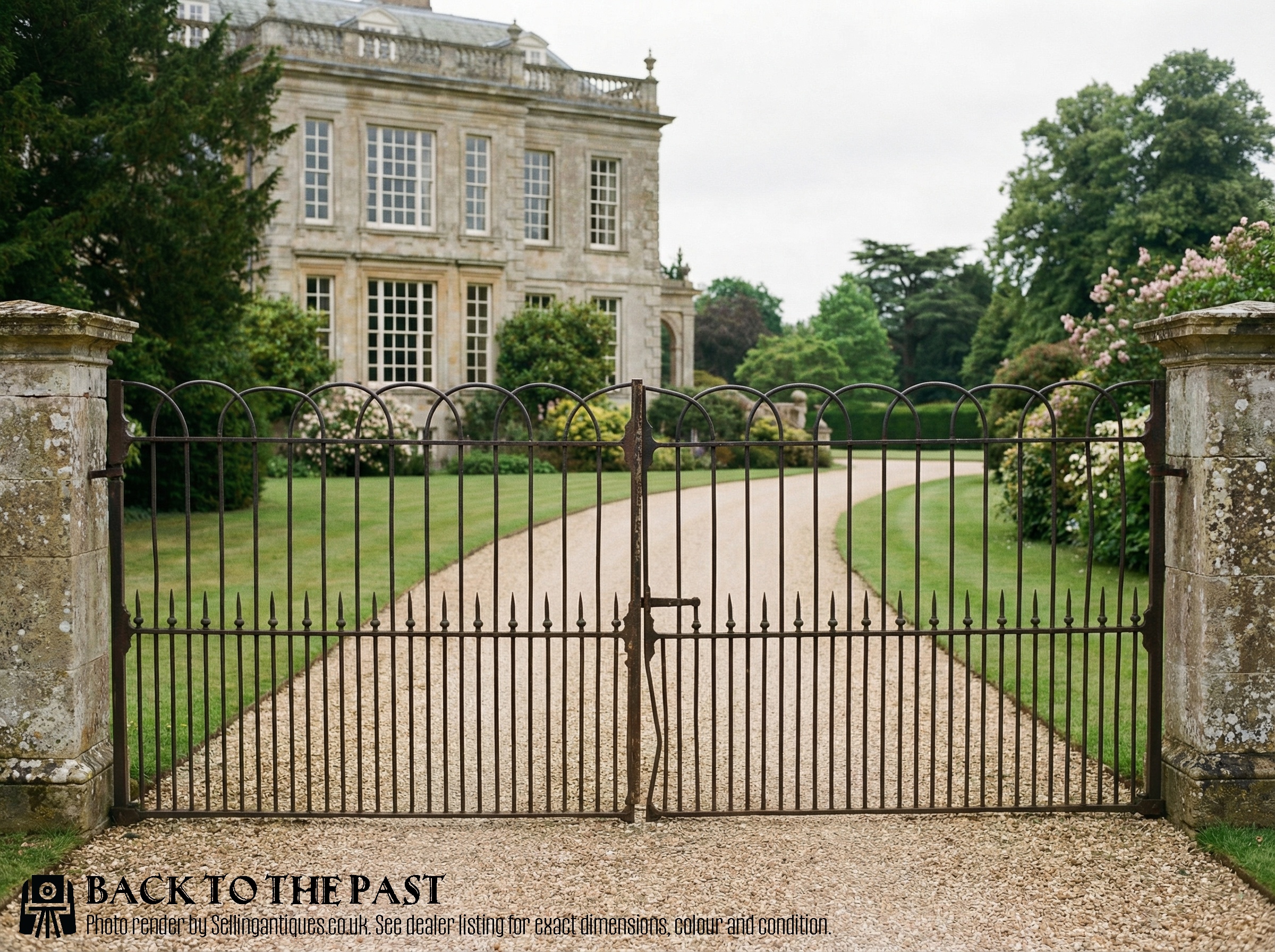
Heavy nineteenth-century gates require deep, reinforced concrete footings to support their substantial weight without sagging over time. Professional installation ensures that hinges align correctly with masonry piers.
Matching the pivot points and latch mechanisms carefully prevents structural strain during daily operation.
Can I leave cast iron outside year-round?
Cast and wrought iron withstand outdoor elements well due to their heavy metal mass, though regular maintenance preserves the surface. Protecting the metal with appropriate coatings prevents deep corrosion from moisture.
Harsh winter frosts can occasionally damage cast iron if trapped water freezes within narrow ornamental crevices.
How do I identify Victorian ironwork?
Victorian pieces often display classical revival motifs, heavy proportions, and distinct foundry marks or registration numbers stamped into the metal. The combination of cast decorative elements with hand-forged wrought iron frames is typical of this era.
Examining the construction joints reveals whether the maker relied on traditional hot riveting or later joining methods.
What is architectural salvage ironwork used for?
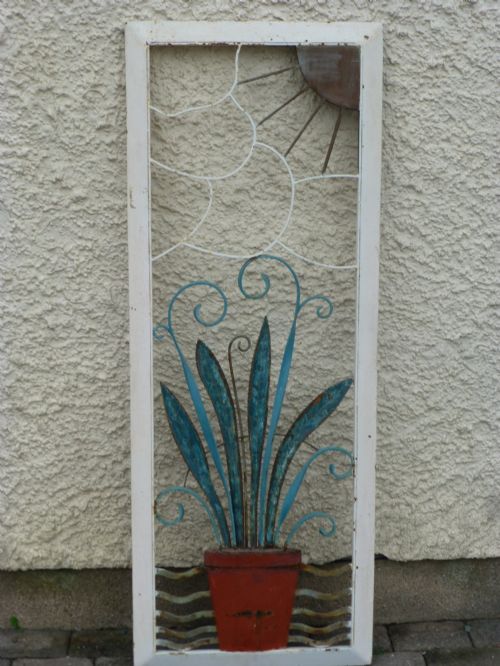
Salvaged iron panels, grilles, and screens find new life as garden dividers, wall art, or structural focal points in landscape design. Their weathered patinas add immediate historical depth to newly planted borders.
Gardeners often mount large gates against brick walls or hedges to create the illusion of hidden pathways.