


Architectural Salvage Iron Gates
Architectural salvage iron gates bring heavy historic structure and striking metalwork into gardens and properties.
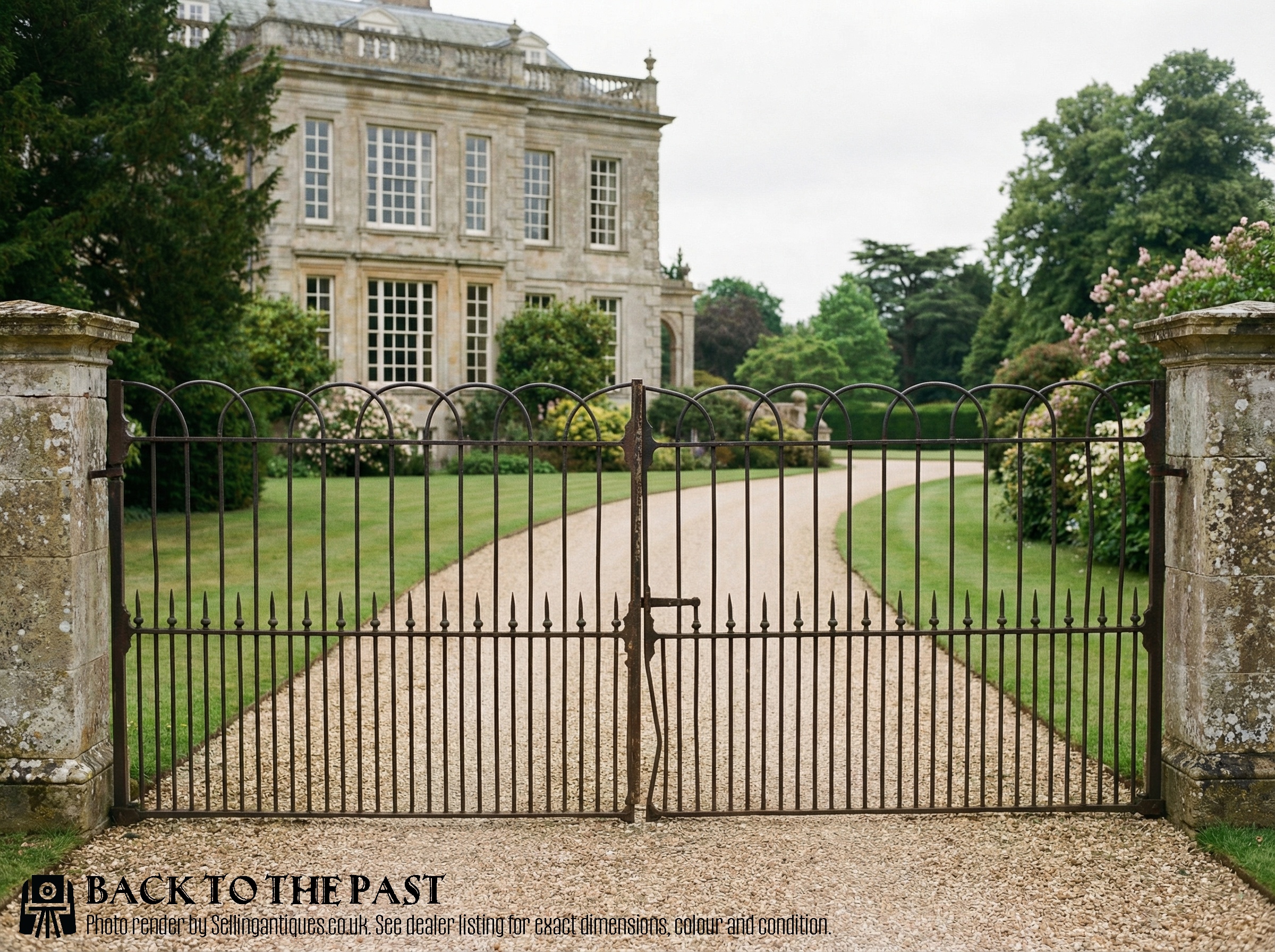
Architectural Salvage Iron Gates
When you search for architectural salvage iron gates, you encounter robust barriers drawn from periods spanning the eighteenth, nineteenth, and early twentieth centuries. These pieces emerge from diverse settings, including country estates, rustic farmhouses, and grand gardens.
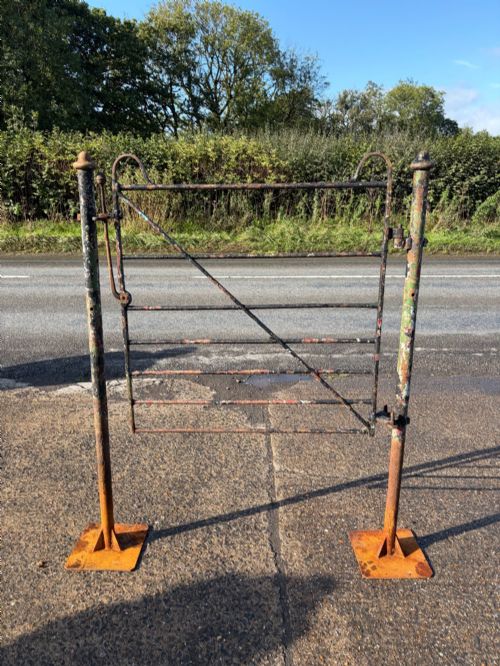
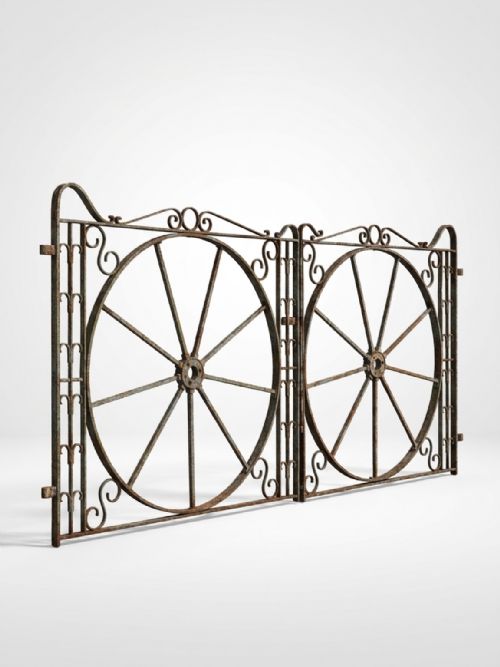
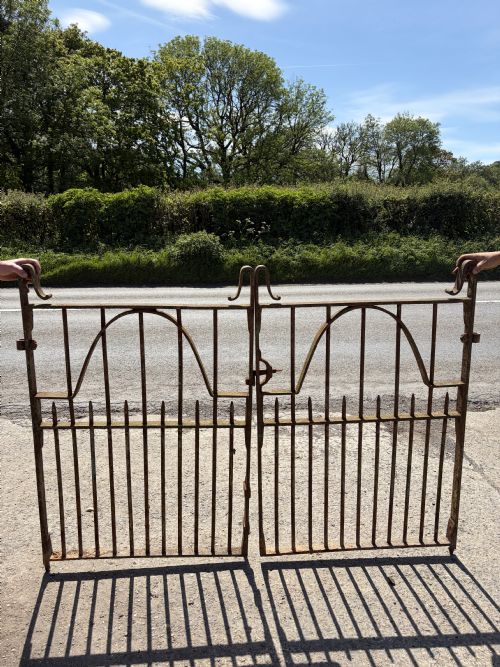
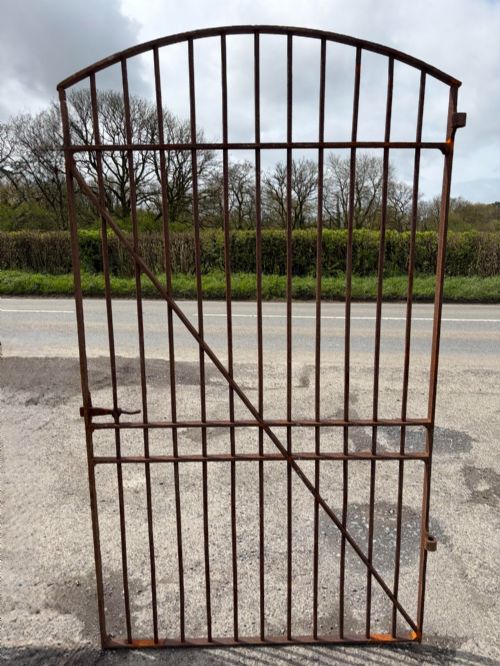
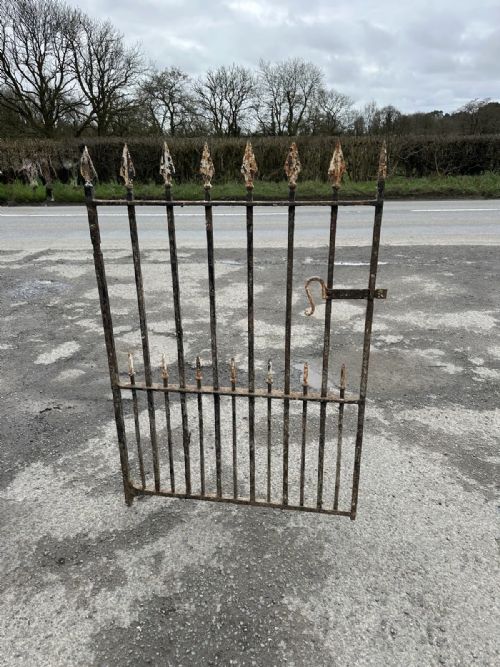
The selections on this page most frequently showcase Victorian wrought iron garden gates and large estate entrances. Alongside these traditional designs, you find specific forms such as tall arched top riveted gates, kissing gates, and strapwork panels.
Makers fashioned these structures to secure boundaries while offering visual weight to an entrance. The forms range from modest garden gates to monumental estate barriers spanning several feet.
Materials and construction methods
Blacksmiths and foundries utilised wrought iron, cast iron, bronze, and steel to forge these architectural pieces. Many items combine cast and wrought elements, securing components with rivets or traditional strapwork.
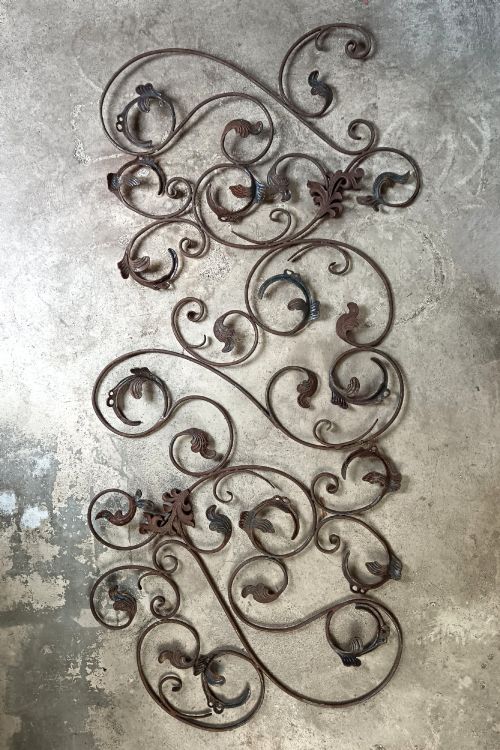
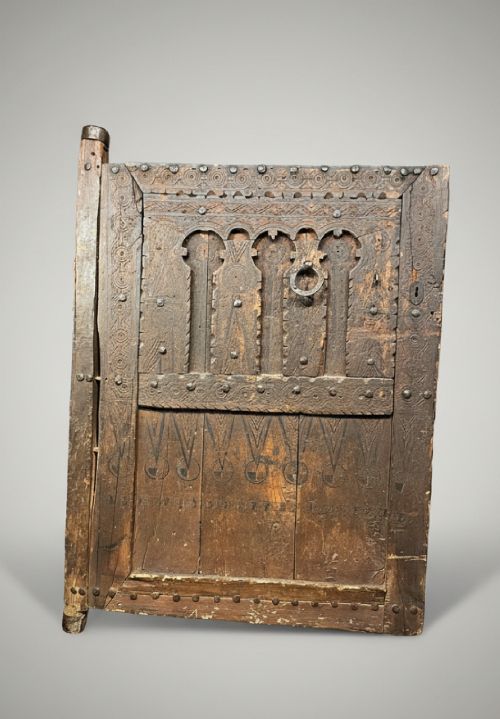
The production often involved hand-forging techniques by individual blacksmiths, yielding unique scroll panels and trident details. Timber also appears in certain constructions, working alongside the heavy metal frameworks.
Listings feature periods spanning the 18th century, 19th century, Victorian era, and 1920, alongside materials like wrought iron, cast iron, bronze, and timber.
Distinguishing quality in metalwork
The standard of an iron gate rests upon the complexity of its forged details and the integrity of its structural framing. Heavier gauge metal and intricate scrollwork or trident motifs distinguish finer examples from standard utilitarian barriers.
The degree of weathering and the preservation of original riveted joints influence the character of each piece. Superior items retain their structural balance and original formation despite decades of exposure.
Raymond Subes
The Architectural Salvage Iron Gates Glossary
- Wrought iron
- A tough, malleable form of iron containing slag inclusions that allows a blacksmith to hammer it into complex shapes. It resists corrosion better than modern steel and shows subtle fibrous textures on the surface.
- Strapwork
- Flat bands of metal arranged in geometric patterns or interlaced designs across a gate or panel. This technique adds structural rigidity while creating decorative surface depth.
- Riveted
- Joined together using metal bolts hammered flat while hot to secure overlapping plates or bars. This method provides permanent, immovable strength for heavy estate barriers.
- Kissing gate
- A small swinging gate enclosed in a U-shaped or V-shaped pen that allows one person to pass through at a time. It manages access along boundaries without requiring latches to be manually secured.
- Architectural salvage
- Building components rescued from structures slated for demolition or alteration. These items are preserved for reuse in new settings to maintain historic character.
Architectural Salvage Iron Gates: Frequently Asked Questions
How do I secure tall estate gates?
Heavy estate gates require robust brick piers, stone pillars, or reinforced timber posts to bear their considerable weight. Proper hanging involves substantial pivot hinges and ground fixings aligned to prevent sagging over time.
Securing these large barriers also involves drop bolts and heavy-duty latches suited to the scale of the metalwork. Professional installation ensures the structure remains stable under daily use.
How do I clean weathered iron gates?
Cleaning historic iron involves removing loose debris and flaking oxidation using stiff bristle brushes rather than harsh abrasive tools. Preserving the weathered patina is central to maintaining the historic character of salvaged metalwork.
Applying specialised protective oils or waxes helps inhibit further corrosion without altering the aged surface appearance. Regular light maintenance keeps outdoor installations stable against the elements.
Can garden gates be resized?
Altering the dimensions of historic ironwork requires skilled blacksmithing to cut, re-weld, and reshape the frame without compromising its structural integrity. Cutting into riveted strapwork or cast sections demands careful consideration of the original design.
Most buyers prefer to adapt the surrounding opening rather than modify the antique gate itself. This preserves the original proportions and historic fabrication of the piece.
What distinguishes Victorian ironwork?
Victorian ironwork typically displays confident proportions, robust strapwork, and decorative flourishes such as trident details or elaborate scrolls. These pieces reflect the industrial capacity and aesthetic tastes of the nineteenth century.
Estate gates from this period often combine heavy forged frames with precise blacksmith detailing. This balance of utility and ornament defines the era's architectural metal.