
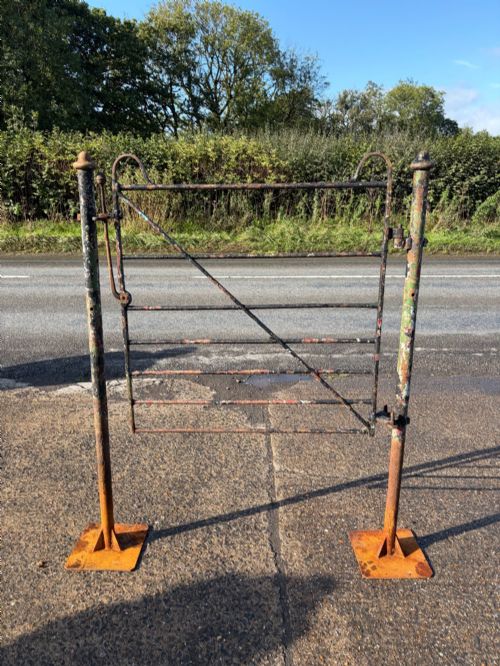
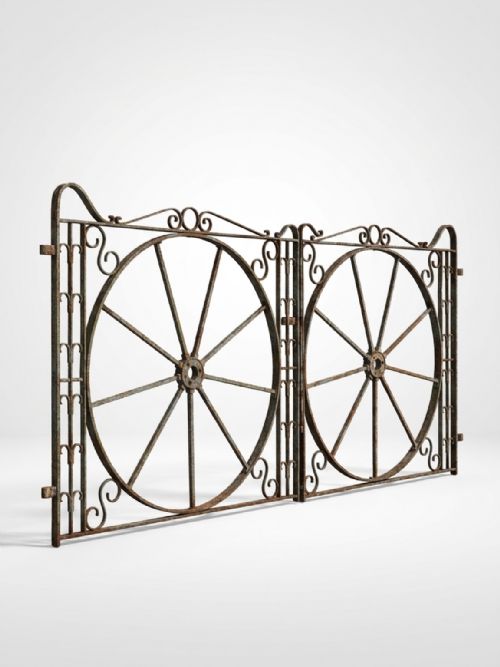
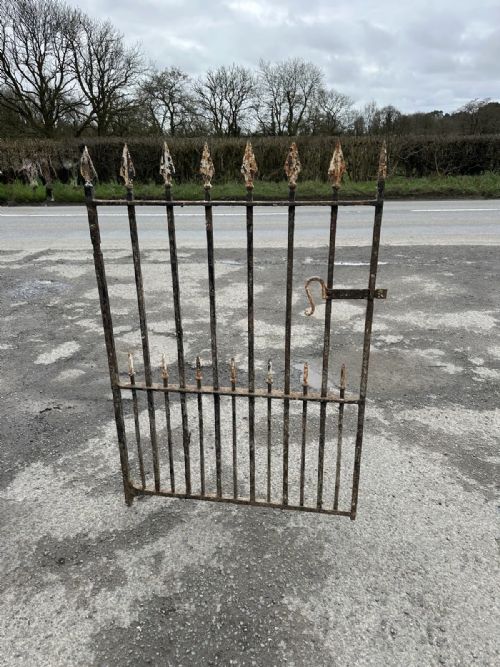


Antique Estate Gates
Antique estate gates are substantial iron barriers that frame a property line with authority, offering both security and architectural presence for a driveway or garden.
Antique Estate Gates
When you search for antique estate gates, you are looking at heavy metal entrance barriers designed for country properties and grand gardens. These structural pieces range from smaller pedestrian garden gates to monumental driveway entrances spanning several feet.
The versions you are most likely to meet on this page hail from the Victorian and nineteenth-century periods, alongside examples dating back to around eighteen hundred and the eighteenth century. They appear in styles such as Georgian, Victorian, and Edwardian country estate designs.
Architectural salvage forms the core of these listings, encompassing large driveway gates, garden gates, and kissing gates. Such survivors carry the weight of traditional smithing into modern landscapes.
How they were made
Many examples combine cast and wrought iron components, using casting for repetitive decorative elements and hand-forged wrought iron for the main load-bearing frames. This dual-material approach allowed makers to build barriers that could withstand decades of heavy daily use.
A blacksmith working around eighteen hundred relied on coal smoke and the sound of the anvil to judge the exact heat of the iron.
What varies in quality
The distinction between standard utility barriers and finer country estate examples lies in the ambition of the smithwork and the heaviness of the iron gauge. Monumental nineteenth-century pieces display complex strapwork and substantial framing that require superior blacksmithing skill.
Proportion and scale dictate the standing of a pair, with wider driveway versions demanding greater structural integrity to prevent sagging over time. The integration of cast decorative elements alongside hand-forged sections also marks the hierarchy of design.
The Antique Estate Gates Glossary
- Wrought iron
- A tough, malleable form of iron containing slag inclusions, traditionally hammered by blacksmiths. This material resists rust better than modern steel and bends rather than snaps under stress.
- Strapwork
- Flat strips of metal riveted or joined in patterns across the face of a gate. It provides both structural bracing and decorative surface rhythm.
- Cast iron
- Molten iron poured into a mould to create rigid decorative components or finials. It offers intricate detail but lacks the flexibility of forged metal.
- Kissing gate
- A small pedestrian gate that swings within a U-shaped or V-shaped enclosure, allowing only one person to pass at a time. These are typically found on country paths and boundary lines.
- Architectural salvage
- Building elements rescued from older properties for reuse in new settings. This field preserves original ironwork that would otherwise be lost to demolition.
Antique Estate Gates: Frequently Asked Questions
How do I hang heavy iron estate gates?
These iron barriers require substantial brick, stone, or metal piers to bear their considerable weight safely. Professional installation involves setting heavy-duty pin hinges directly into anchored masonry.
Because nineteenth-century examples often measure eight feet or wider, precise alignment ensures the swing operates smoothly without dragging across the ground.
Are these gates suitable for daily driveway use?
Many Victorian and nineteenth-century survivors were engineered specifically for carriage and cart traffic. Their robust wrought iron frames handle regular vehicle movement with ease.
Buyers often adapt historical driveway pairs for modern automated systems by mounting secure pivot arms to the original ironwork.
How do I date a wrought iron gate?
Dating relies on observing construction techniques, such as the presence of early hand-forged blacksmith marks versus later nineteenth-century machine rolling. Style indicators like Georgian symmetry or Victorian Gothic flourishes also point to specific eras.
Heavier strapwork and documented provenance help narrow down the period of manufacture.
How should I maintain antique outdoor ironwork?
Regular maintenance involves brushing away loose debris and applying protective metal coatings to prevent moisture penetration. Treating the iron with specialised paints guards against rust in damp outdoor climates.
Preserving the original surface texture while halting corrosion keeps the material structurally sound for decades.