


Reclaimed Victorian Iron Gates
Reclaimed victorian iron gates bring substantial historic boundary definition to gardens and grounds, offering heavy architectural presence.
Reclaimed Victorian Iron Gates
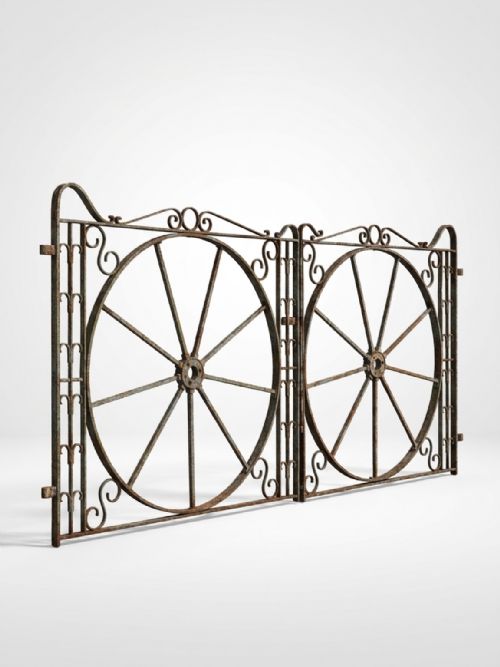
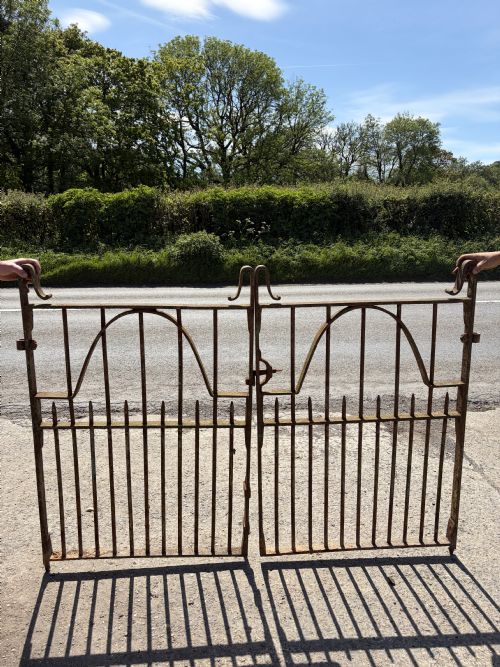
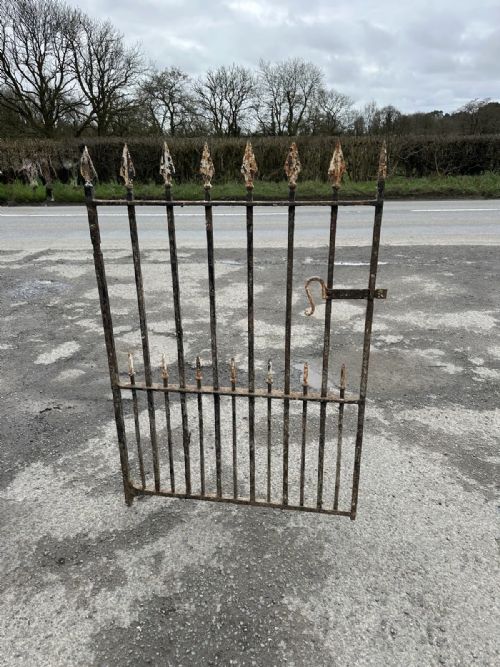
Reclaimed victorian iron gates span garden gates, kissing gates, and large estate driveway entrances shaped for country properties. These architectural salvage pieces originate mainly from the Victorian and nineteenth century periods, alongside examples dated around nineteen hundred or earlier eighteenth century.
Forms vary from modest garden entrances to monumental estate made barriers designed for boundary division and driveways. The prevalent styles encompass Victorian country estate, rustic farmhouse, and standard Victorian architectural formats.
How they were made
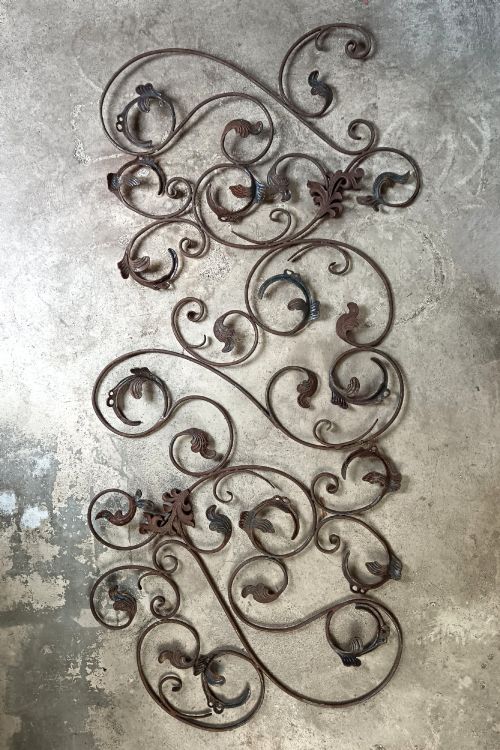
Makers utilised wrought iron and cast iron to construct these heavy structural barriers. Metal elements were shaped into strapwork, scroll panels, and architectural frameworks designed for exterior longevity.
Individual gates incorporate hand-forged or cast components combined to form rigid boundaries. Specific examples feature decorative additions like trident details welded or joined directly to the iron structure.
The listings feature materials restricted to wrought iron and cast iron, shaped across Victorian and nineteenth century periods into garden and estate gates.
What varies in quality
The standard of these gates is determined by the scale of the ironwork and the complexity of the smithing. Monumental estate gates with intricate strapwork and decorative scroll panels demonstrate superior ambition compared to standard garden pathways.
Preservation of the original metal fabric dictates the integrity of each piece. Surviving examples retain structural weight and unaltered forged joints across the nineteenth century timeline.
The Reclaimed Victorian Iron Gates Glossary
- Wrought iron
- A tough, malleable form of iron easily forged into bars, straps, and scrolls by a blacksmith. This material defines the construction of most nineteenth century estate gates.
- Cast iron
- Molten iron poured into a mould to create rigid decorative elements or structural components. It appears alongside wrought iron in paired nineteenth century gates.
- Strapwork
- Flat bands of iron arranged in geometric or intersecting patterns to reinforce and ornament large gates. This technique provides structural strength to estate entrances.
- Kissing gate
- A small pedestrian gate that swings within an enclosure, allowing one person to pass through at a time. These compact structures serve rural paths and boundaries.
- Architectural salvage
- Building elements and metalwork rescued from older properties for reuse in new settings. These items preserve historical manufacturing methods.
Reclaimed Victorian Iron Gates: Frequently Asked Questions
Where were these gates used?
These gates served country estates, farmhouses, and grand gardens as boundary markers and driveway entrances. Large paired structures defined main vehicle access points, while smaller versions secured garden pathways.
Pedestrian kissing gates controlled access across rural land divisions. Their heavy construction suited demanding exterior environments.
How do I install heavy iron gates?
Installation requires secure fixing posts capable of supporting substantial iron weight and movement. Proper alignment ensures the heavy strapwork and scroll panels swing freely without dragging.
Professional mounting to masonry or dedicated timber posts provides necessary structural stability for large estate versions.
Can these gates be restored?
Restoration involves treating surface oxidation and preserving the underlying nineteenth century metal fabric. Gentle cleaning removes loose debris while retaining the weathered patina developed over decades.
Protective coatings applied to the iron prevent further weathering once installed in modern garden settings.
What periods do these gates date from?
The listings span the Victorian era, the wider nineteenth century, and around nineteen hundred, with occasional eighteenth century origins. Stylistic clues include strapwork thickness and decorative scroll motifs.
Each period reflects distinct blacksmithing traditions applied to architectural salvage and garden security.