


Iron Driveway Gates
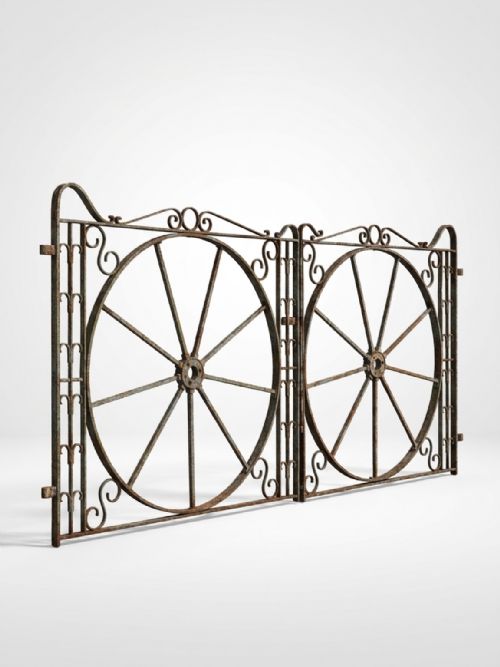
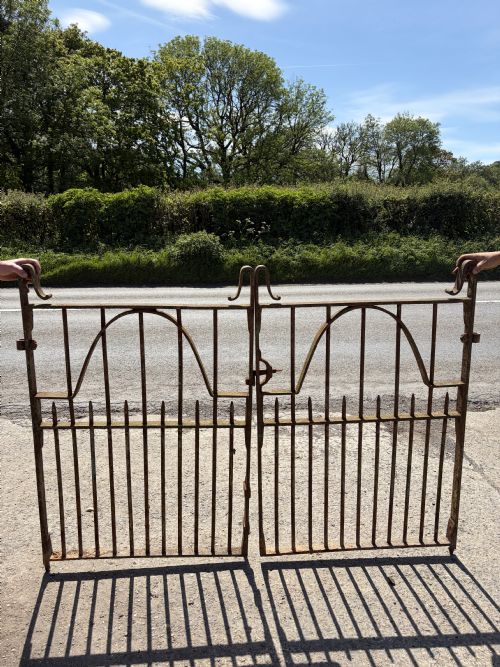
Iron driveway gates are heavy architectural salvage built for longevity, offering secure boundaries and robust entranceway presence.
Iron Driveway Gates
Iron driveway gates serve as substantial entrance fixtures designed to secure large residential and estate perimeters. Buyers searching for iron driveway gates encounter substantial architectural salvage salvaged from historic properties and country estates.
The selections on this page predominantly date from the nineteenth century, including distinct Victorian examples alongside nineteenth-century estate pieces. These heavy installations frequently appear as matched pairs or monumental single barriers built to span wide carriage openings.
Beyond standard driveway gates, the material record encompasses architectural salvage components, garden gates, strapwork estate variants, and combined cast and wrought iron formations. These survivors reflect the heavy industrial output and estate infrastructure of their respective periods.
Materials and Construction
Construction relies heavily on wrought iron and cast iron, often combined within a single structure to balance decorative rigidity with structural resilience. Blacksmiths and ironfounders utilised strapwork techniques to form interlocking patterns and reinforce heavy vehicular frames.
Associated elements incorporate copper and glass, particularly in allied outdoor lighting fixtures designed to complement the primary entrance installations. Metal components were traditionally hand-forged or cast in sections before being assembled for estate deployment.
Some nineteenth-century estate gates carry the literal scars of history, including ancient mounting holes from long-vanished carriage lamps.
Assessing Quality
Quality resides in the weight of the metalwork, the complexity of the strapwork, and the preservation of original structural joints. Superior examples display crisp casting details or skilled hand-forging that withstands centuries of operational stress.
Condition is determined by the depth of oxidation, the integrity of the iron sections, and the survival of original hanging furniture rather than superficial cosmetic repainting. Monumental scale and unbroken symmetry elevate the architectural standing of individual pairs.
The Iron Driveway Gates Glossary
- Wrought iron
- A tough, malleable form of iron containing slag inclusions, traditionally worked by hand while hot. This material resists rust better than modern steel and bends rather than snaps under pressure.
- Cast iron
- Iron poured into a mould in a molten state to create rigid, ornate architectural components. It offers high compressive strength but lacks the flexibility of wrought iron.
- Strapwork
- Ornamental work consisting of flattened bands resembling leather straps, frequently applied to historic estate gates. This technique provides both visual rhythm and structural bracing.
- Architectural salvage
- Building elements rescued from older structures slated for demolition or alteration. These items are preserved for reuse in historic restoration and landscape projects.
Iron Driveway Gates: Frequently Asked Questions
How do I measure for historic driveway gates?
Accurate measurement requires recording the exact distance between existing stone piers or mounting posts at multiple heights. Account for the swing radius and any necessary hanging hardware before selecting salvage pairs.
Historic iron gates often require bespoke adjustment to fit modern driveway openings securely. Consulting a professional installer ensures the masonry can support the substantial weight of nineteenth-century metalwork.
How should I maintain antique iron gates?
Maintenance involves inspecting the metal for active rust and applying protective coatings formulated for historic ironwork. Regular cleaning removes debris from intricate strapwork joints and prevents moisture accumulation.
Moving parts such as hinges and latches benefit from periodic lubrication to ensure smooth operation. Preserving the patina while halting structural degradation maintains the longevity of the metal.
Can antique gates be automated?
Automation is possible with careful engineering that respects the historic structure of the metalwork. Drive mechanisms must be chosen to handle the specific weight of solid wrought or cast iron without straining original frames.
Discrete underground or articulated arms are typically preferred to preserve the visual appearance of Victorian estate entrances. Professional installation prevents undue stress on vintage hinges and strapwork.
How do I identify Victorian ironwork?
Victorian ironwork is characterised by heavy section sizes, traditional hot-forged joinery, and specific decorative motifs from the period. Nineteenth-century production methods often leave subtle irregularities in the metal that distinguish older pieces from modern reproductions.
Examining the fixings, weight, and material composition provides clear indicators of age and origin. Surviving examples frequently display the robust proportions typical of nineteenth-century estate infrastructure.