

Antique Wrought Iron Pair
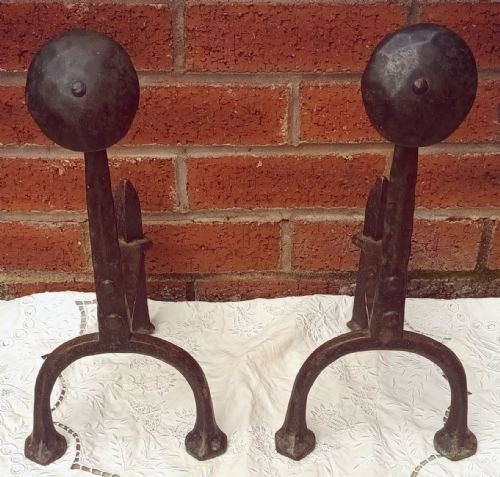
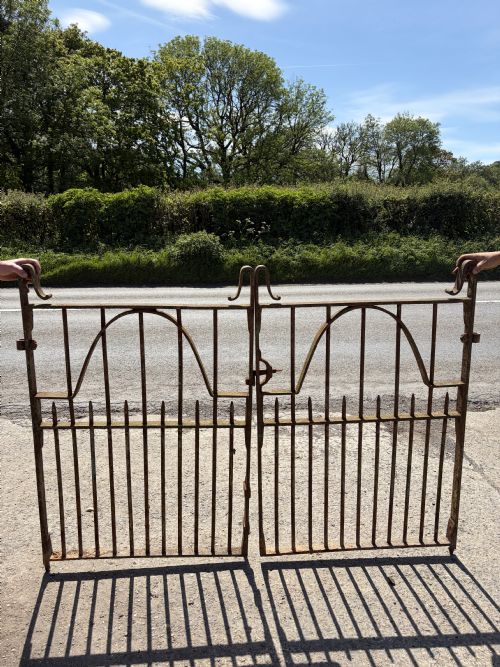
An antique wrought iron pair brings matched symmetry to a room or garden, spanning heavy architectural gates, hearth andirons and delicate wall sconces.
Antique Wrought Iron Pair
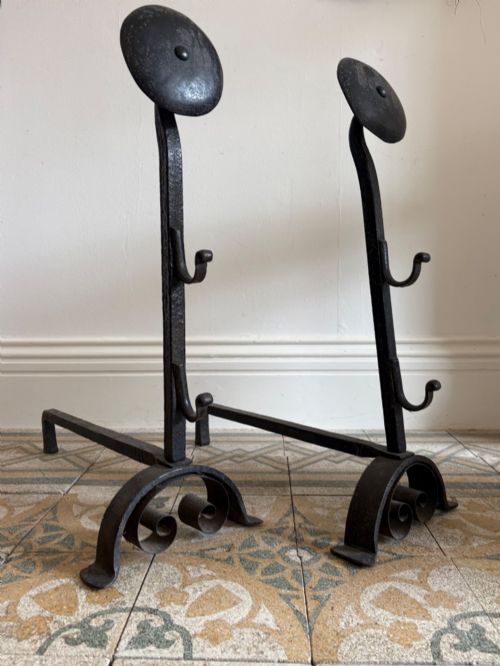
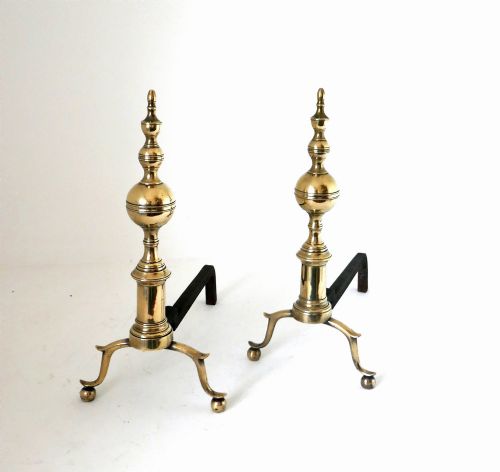
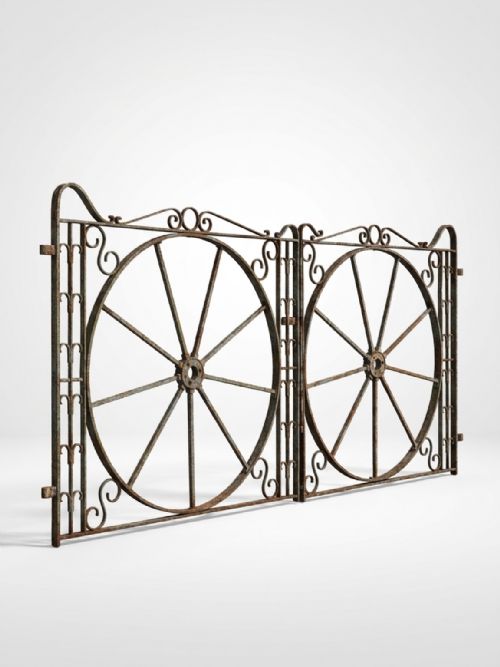
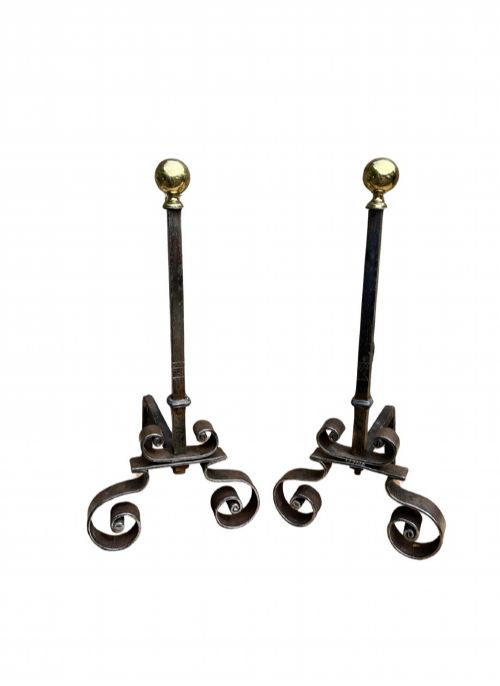
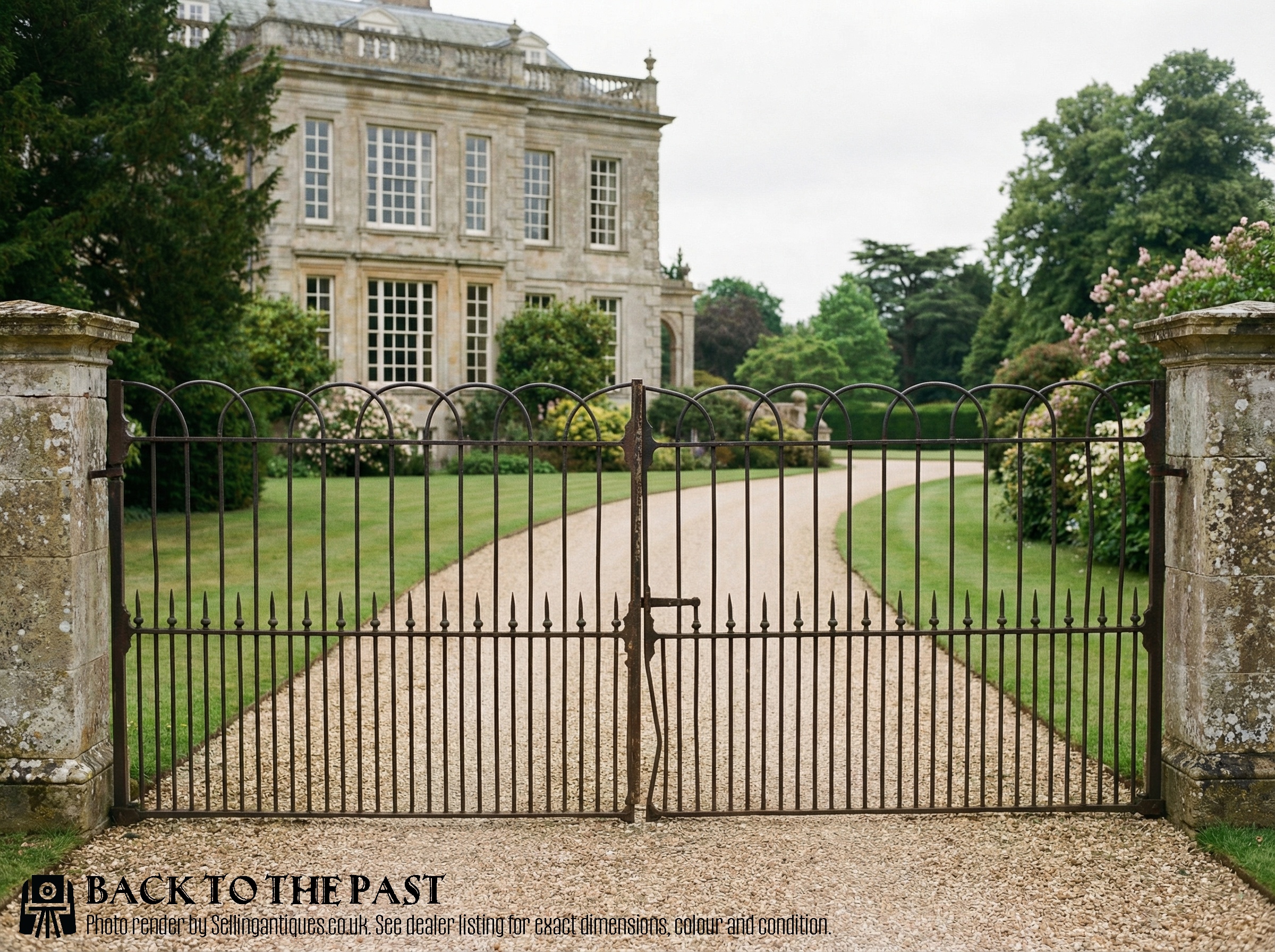
When searching for an antique wrought iron pair, buyers encounter an array of matching objects designed for utility and decoration. The evidence shows these matched sets range from substantial Victorian garden gates and architectural salvage to domestic hearth furnishings like andirons and fire dogs.
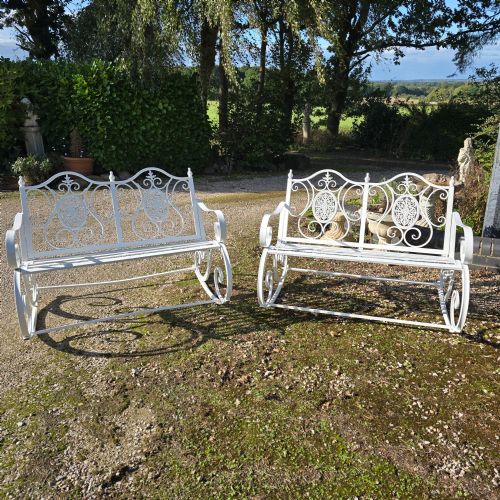
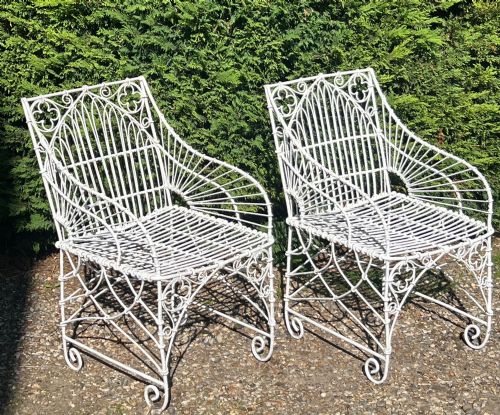
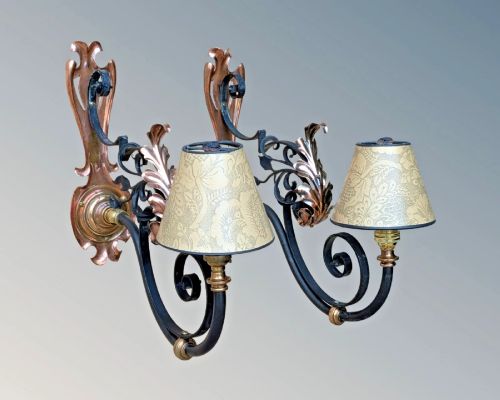
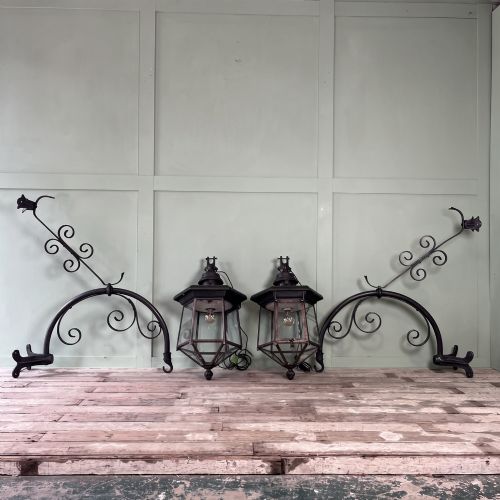
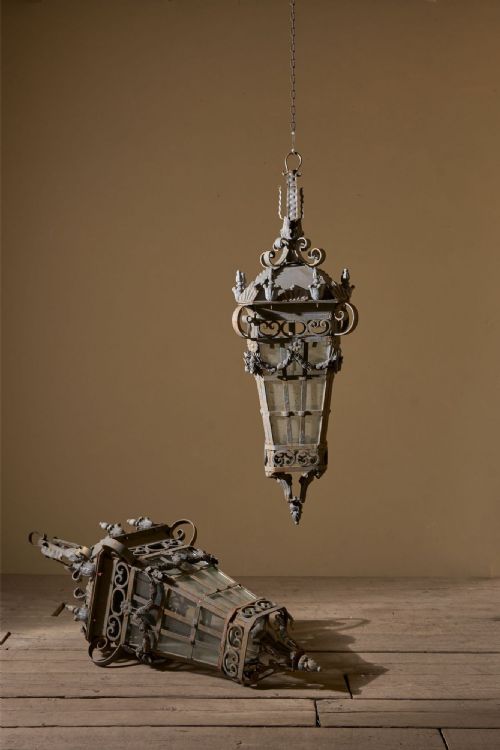
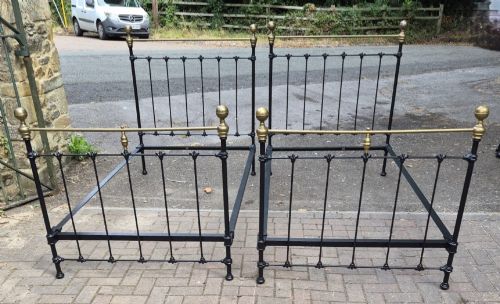
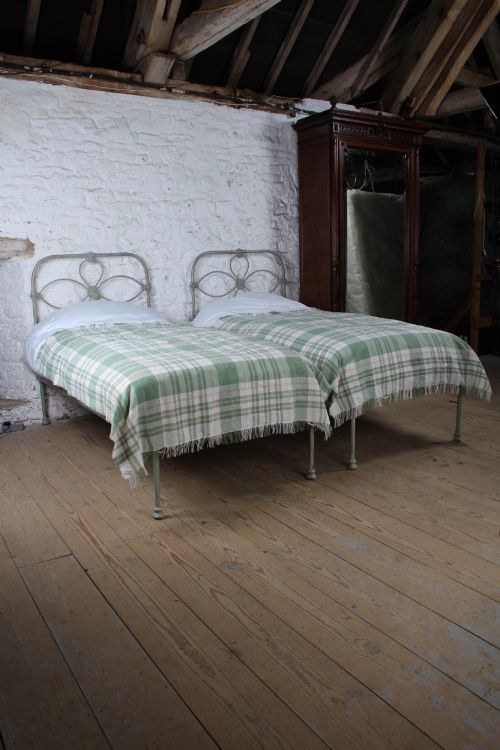
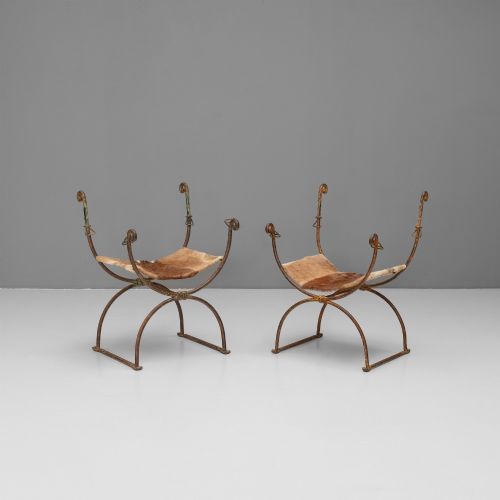
Interior lighting and seating also appear frequently in the record. Buyers will readily find matched wall lights, hanging lanterns, single bedsteads, and garden benches constructed during the nineteenth and early twentieth centuries.
Origin and period style influence the specific form these paired items take. French provincial pieces sit alongside English Arts and Crafts designs, demonstrating how diverse domestic requirements shaped the metalwork of the period.
Materials and construction methods
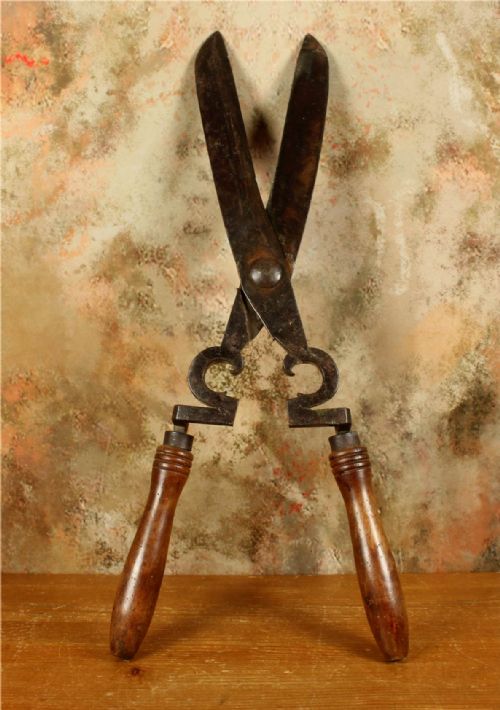
Blacksmiths shaped these items using heat and hand tools, hammering hot metal on an anvil to achieve the characteristic textured surface of forged iron. Copper and brass components often complement the primary iron structure, particularly on fireplace accessories and wall sconces from the Arts and Crafts movement.
Cast iron and zinc elements appear alongside hand-forged sections in larger structural pieces like gates, garden benches, and architectural lanterns. Protective surface treatments such as historic paint layers or applied patinas frequently survive on pieces dating from the Victorian era onward.
The listings show materials spanning wrought iron, brass, copper, cast iron, and zinc across the Victorian, Arts and Crafts, and Gothic Revival styles.
Factors determining quality
The distinction between ordinary utility items and exceptional pieces rests upon the finesse of the forging and the ambition of the design. Master blacksmiths executed scrolling and jointing with deliberate precision, creating balanced symmetry across both items in a pair without relying on modern industrial uniformity.
Surface preservation significantly influences the standing of a piece. Original lead or oil paint, untouched patinas left by centuries of use, and the absence of crude modern welding mark the upper tier of surviving examples.
REVO Leicester·Schneider
The Antique Wrought Iron Pair Glossary
- Andirons
- Iron supports placed in a fireplace to elevate logs for better air circulation. They often feature decorative front standards that match companion fire irons.
- Architectural Salvage
- Building components rescued from older structures before demolition. This category includes large estate gates, hinges, and exterior ironwork.
- Torchere
- A tall stand or pedestal designed to support a lamp or candle. In ironwork, these appear as slender vertical supports with decorative scrolling.
Antique Wrought Iron Pair: Frequently Asked Questions
What are antique wrought iron pairs used for?
These matched items serve both functional and decorative purposes throughout historic homes and gardens. Common domestic applications include hearth management with paired andirons, architectural division with estate gates, and ambient illumination via matching wall sconces.
Garden settings also utilise these coordinated pieces. Benches, plant holders, and large planters bring formal symmetry to outdoor spaces while enduring exterior conditions.
How do I care for antique ironwork?
Maintaining these metals requires keeping them in stable indoor or sheltered environments to prevent moisture accumulation. Dusting with a dry cloth preserves historic surface coatings and applied patinas.
Applying microcrystalline wax helps protect bare iron surfaces from oxidation. Avoid harsh chemical cleaners that strip original paint or historic finishes.
How do I date an antique iron piece?
Dating relies on observing construction techniques and stylistic markers recorded across different periods. Hand-forged items with irregular hammer marks often point toward earlier eras, while standardised fixings frequently indicate Victorian or later production.
Design motifs also provide chronological clues. Gothic Revival and Arts and Crafts aesthetics correspond to specific decades around the nineteenth and twentieth centuries.
Are both items in a pair always identical?
While matched sets share materials, design, and provenance, minor variations frequently occur in hand-forged items. The nature of blacksmithing means slight dimensional differences between two companion pieces are common.
These subtle irregularities confirm the handmade origins of the work. They distinguish genuine antique forge work from later machine-stamped reproductions.