
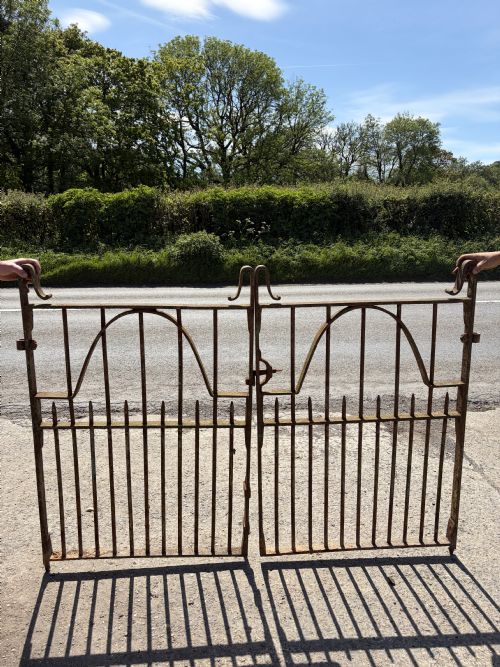
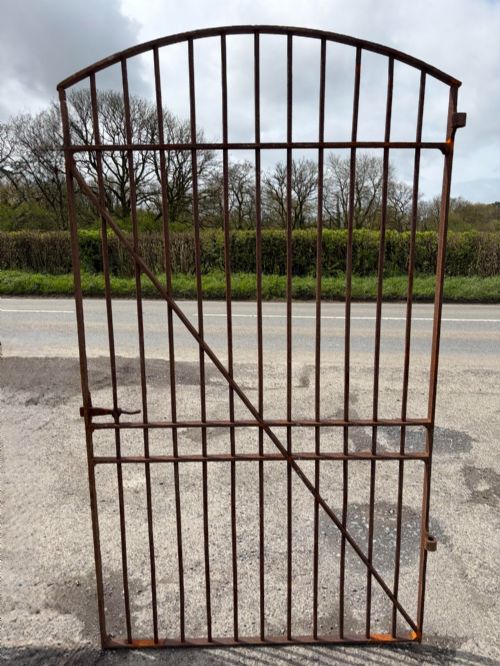
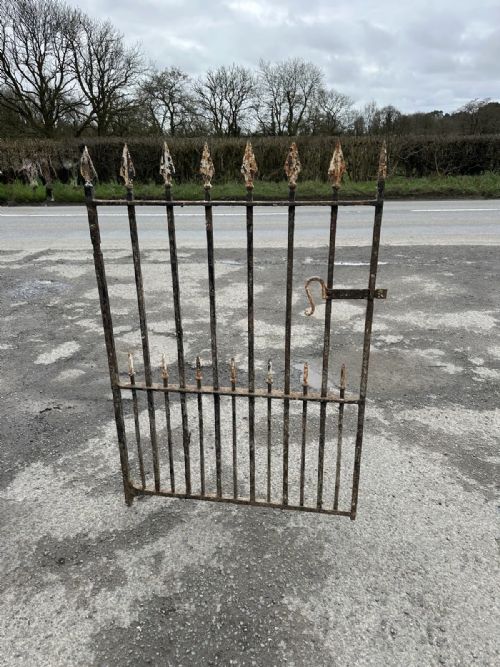


Antique Iron Garden Gate
These antique iron garden gate examples offer robust boundaries and striking metalwork for period grounds.
Antique Iron Garden Gate
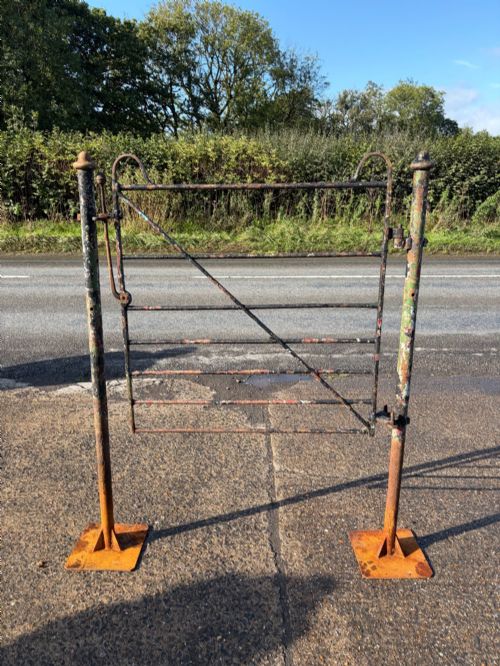
When you search for an antique iron garden gate, you encounter heavy architectural salvage built to secure paths, driveways, and country estates. The most common survivals on this page date from the nineteenth century, including Victorian pieces with scrollwork and strapwork.
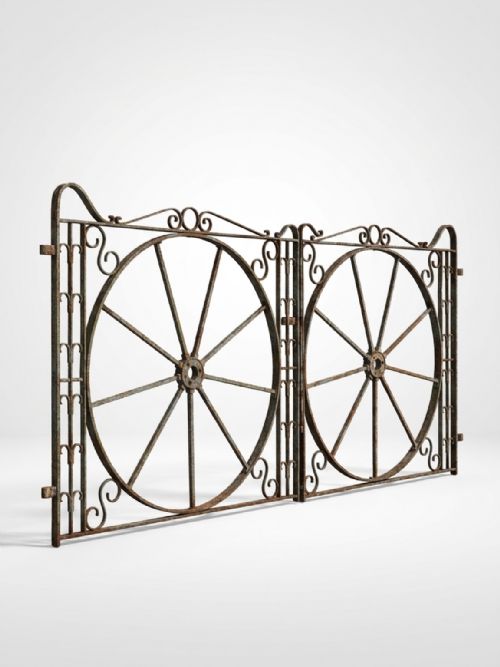
Many examples originate from British and European country houses, showing substantial scale such as eight-foot or larger estate configurations. Simpler garden gates and kissing gates appear alongside monumental pairs designed for carriage entrances.
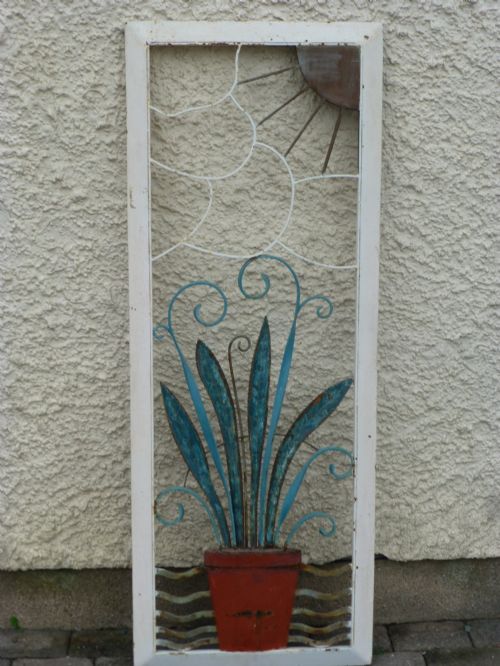
The selection includes variations from specific periods like Georgian and Art Deco, alongside blacksmith-made items spanning the eighteenth to early twentieth centuries. Structural forms range from arched tops to riveted frames incorporating decorative details like tridents.
How they were made
Blacksmiths and estate ironmongers fashioned these structures primarily from wrought iron and cast iron, often combining both metals within a single gate. Individual components were shaped by hand, heated, and joined using traditional techniques like riveting and strapwork construction.
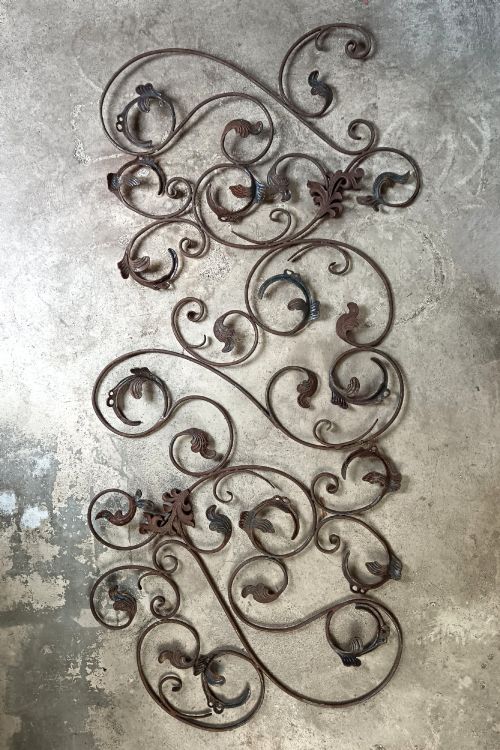
Surface details frequently incorporate bronze or copper elements, while some pieces feature applied scroll panels and finials. The resulting construction prioritised structural longevity, utilising heavy gauge iron bars capable of withstanding decades of outdoor exposure.
Listings feature periods spanning from the eighteenth century through to the Art Deco movement of nineteen twenty.
What varies in quality
The calibre of an antique iron garden gate depends largely on the ambition of its forging and the integrity of its original metalwork. Superior examples display sophisticated strapwork, hand-hammered scrolls, and substantial framing that resists sagging over large spans.
Raymond Subes
The Antique Iron Garden Gate Glossary
- Wrought iron
- A tough, malleable form of iron containing slag inclusions, traditionally worked by hand on an anvil. It resists rust better than modern steel and bends rather than snaps under stress.
- Cast iron
- Iron poured molten into a mould to create rigid components, frequently utilised for decorative finials, post tops, and architectural details. It offers high compressive strength but remains brittle.
- Strapwork
- A decorative pattern of flat, interlaced metal bands resembling leather straps, common in nineteenth-century gate construction. It adds significant rigidity to the main frame.
- Kissing gate
- A small swinging gate enclosed in a U-shaped or V-shaped pen that allows only one person through at a time. These served to contain livestock while permitting pedestrian access.
- Architectural salvage
- Building components rescued from demolition or restoration for reuse in new settings. This category encompasses garden gates, panels, and lanterns from older estates.
Antique Iron Garden Gate: Frequently Asked Questions
How do I date an iron gate?
Dating relies on construction methods, fastener types, and design styles characteristic of specific eras like the Victorian period or eighteenth century. Hand-forged details and riveted strapwork usually indicate older blacksmith-made origins.
Later nineteenth and twentieth-century examples often incorporate standardised rolled sections alongside traditional hand-wrought bars. Comparing the weight, corrosion patterns, and hardware style helps narrow down the decade of manufacture.
Can these gates be resized?
Altering historic ironwork requires a skilled metalworker using traditional forging or welding techniques to maintain structural integrity. Shortening a gate is generally straightforward, whereas widening requires matching the original bar stock and scrollwork.
Original mounting points and hinge hangers should be preserved where possible to protect the historical fabric of the piece. Professional restoration ensures the altered frame continues to support the weight without sagging.
How heavy are estate gates?
Monumental estate and driveway gates constructed from solid wrought iron possess considerable weight, often requiring mechanical assistance for transport and hanging. Even standard garden gates demand robust brick piers or stone posts for adequate support.
Wall fixings and hinge pivots must be rated to carry heavy loads safely over extended periods of outdoor use. Checking the load-bearing capacity of existing masonry is essential before installation.
How do I maintain weathered iron?
Preserving weathered surfaces involves removing active red rust through gentle wire brushing and applying a stabilizing oil or rust converter. Many collectors prefer to retain the aged dark patina rather than stripping the metal down to bare iron.
Applying a protective wax or specialised metal lacquer shields the surface from further atmospheric moisture while maintaining the antique appearance. Regular inspection prevents moisture from settling in riveted joints and strapwork.