


Antique Wrought Iron Gates
Antique wrought iron gates are heavy architectural barriers built by blacksmiths to secure boundaries, and you want one for its enduring forge-work and presence.
Antique Wrought Iron Gates
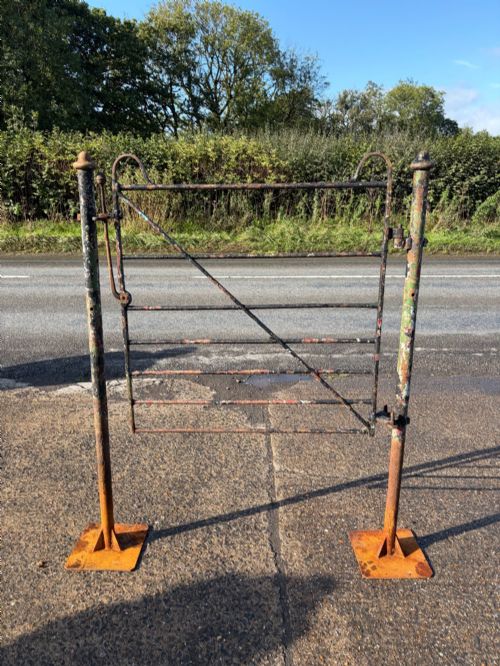
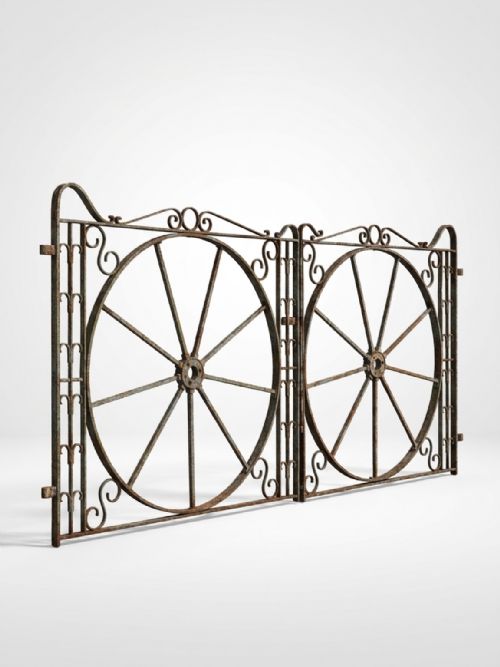
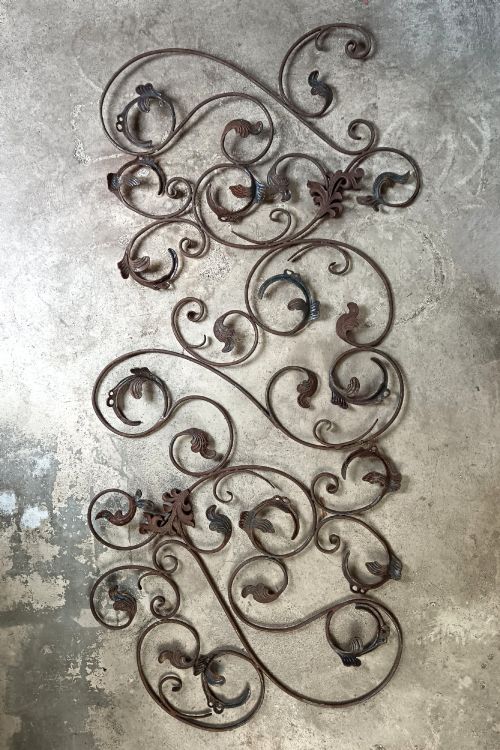
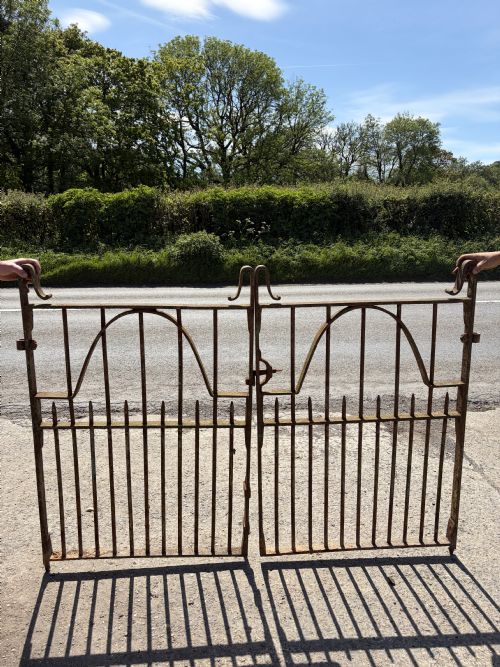
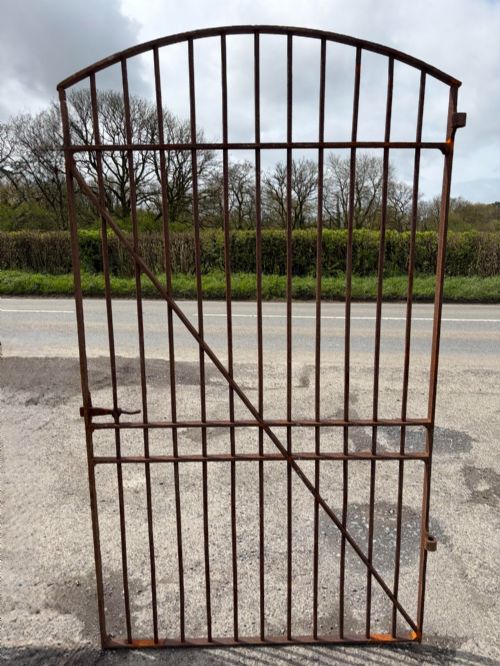
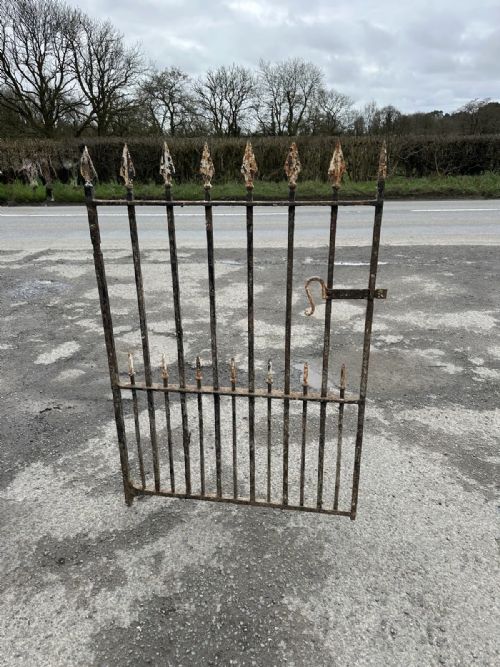
When you search for antique wrought iron gates, you are looking at substantial boundary markers and garden entrances forged by hand. The examples met on this page span the Victorian period, the nineteenth century, and the nineteen-twenties, appearing as single garden gates, kissing gates, architectural scroll panels, and large driveway estate gates.
The most common forms on this page are tall estate gates and garden gates originating from the nineteenth century and the Victorian era. These pieces frequently feature strapwork, arched tops, and riveted construction, occasionally incorporating cast iron or bronze elements alongside the primary wrought iron material.
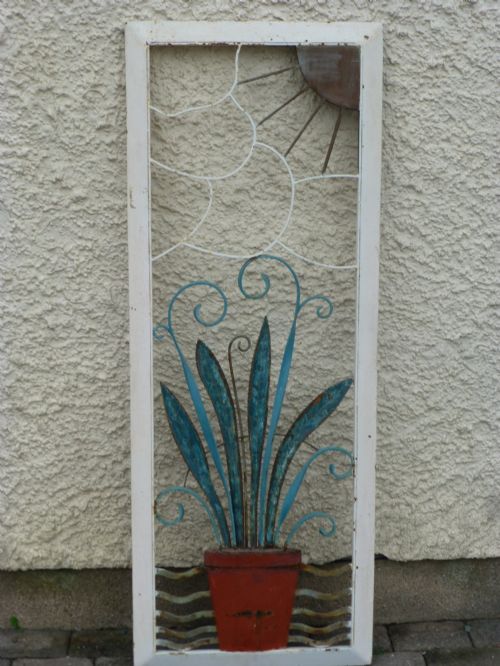
Stylistic variation ranges from austere rustic farmhouse and country estate designs to decorative Art Deco pieces and sweeping scrollwork. Buyers will also find architectural salvage panels and related items such as copper lanterns that share the same period aesthetic.
Materials and forging techniques
The construction of these pieces relies on traditional blacksmithing techniques, shaping iron over an anvil while hot. Individual sections are joined using rivets and strapwork rather than modern electric welds, creating a flexible and resilient structure.
While wrought iron dominates the construction, makers also utilised cast iron for specific decorative details and incorporated materials like bronze, copper, and glass in related architectural pieces and screens from the nineteen-twenties.
Several gates retain their original nineteenth-century latch mechanisms, proving that blacksmiths loved a good puzzle box almost as much as a sturdy hinge.
Judging quality and character
Quality in these heavy barriers lies in the precision of the blacksmith's handiwork and the complexity of the strapwork and scroll panels. Superior examples display clean rivet alignment, balanced symmetry across pairs, and substantial gauge metal that resists twisting.
The degree of weathering and the survival of original mounting hardware also dictate the appeal of a piece. Gates that retain their structural integrity without excessive pitting or deep corrosion command greater interest for restoration and installation.
Raymond Subes
The Antique Wrought Iron Gates Glossary
- Wrought iron
- A tough, malleable form of iron containing silicate slag inclusions, traditionally worked by hand on an anvil. It resists corrosion better than modern steel and shows a fibrous grain when fractured.
- Strapwork
- Flat bands of metal used to reinforce joints and frame panels on heavy gates. This technique provides structural rigidity while adding a linear decorative pattern across the structure.
- Kissing gate
- A small swinging gate enclosed in a narrow enclosure that allows one person through at a time while keeping livestock contained. These typically feature simple wrought iron latches and hinges.
- Architectural salvage
- Building elements rescued from older structures for reuse in gardens or new interiors. This category includes panels, screens, and gates removed from period estates.
- Riveted
- Joined together using metal pins hammered flat at the ends while hot. This traditional fastening method allows slight movement between components without snapping under stress.
Antique Wrought Iron Gates: Frequently Asked Questions
How do I hang heavy estate gates?
Hanging large iron barriers requires substantial stone or brick piers and heavy-duty pivot hinges anchored deeply into the masonry. Professional installation ensures the immense weight is supported properly without sagging over time.
Alignment is critical for ensuring the latches meet precisely. Most period gates require bespoke pintle and hook assemblies fitted by an experienced blacksmith or stonemason.
Can antique gates be used outdoors?
These pieces were built specifically for exterior use on estates, gardens, and driveways, weathering the elements for over a century. Their robust metal construction handles rain and wind well when maintained correctly.
Protection usually involves wire brushing loose scale and applying a stable paint or protective wax finish. Regular inspection prevents moisture from settling into riveted joints.
How do I date a wrought iron gate?
Dating relies on observing construction methods, such as the presence of hand-hammered rivets versus modern welds, alongside stylistic cues like Victorian scrollwork or Art Deco geometric lines. Eighteenth and nineteenth-century examples often display irregular hammer marks and heavier strapwork.
Documentation or provenance from an estate can also help narrow down the decade. Comparing the gauge of the iron and the style of the latch provides further clues to the period of manufacture.
What is the difference between wrought and cast iron?
Wrought iron is fibrous and malleable, shaped by hammering while hot, making it ideal for gates that must absorb physical impact without shattering. Cast iron is brittle and poured into moulds, typically used for decorative inserts rather than load-bearing frames.
Many nineteenth-century pieces combine both materials, using forged iron for the structural frame and cast elements for ornamentation.