
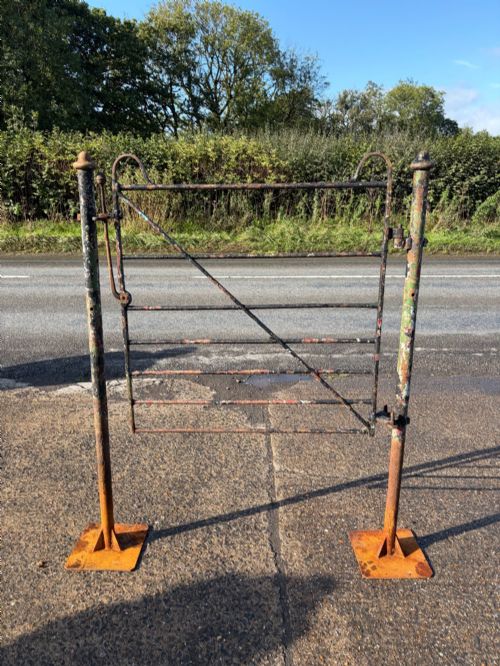
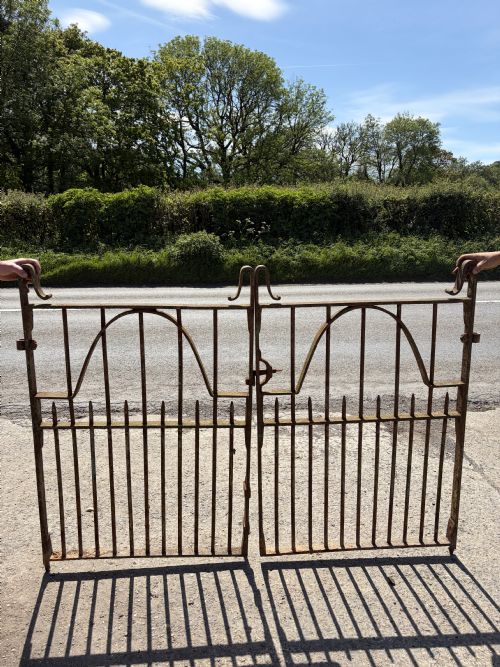


Traditional Metal Gate
A traditional metal gate brings honest weight and structure to a boundary, built from iron to last centuries.
Traditional Metal Gate
A traditional metal gate offers a sturdy boundary for gardens, pathways and estates, turning simple access into a formal statement. When you search for a traditional metal gate, you encounter heavy architectural salvage built for endurance rather than temporary decoration.
The pieces listed on this page span the eighteenth, nineteenth and early twentieth centuries, capturing Victorian, Edwardian and Georgian sensibilities. You are most likely to meet hardworking wrought iron garden gates and estate gates shaped by blacksmiths.
Forms range from smaller pedestrian garden gates and kissing gates to massive eight-foot estate entrances and paired driveway barriers. Alongside these full-size architectural pieces, related metalwork such as brass fire guards occasionally appears in the listings.
How they were made
Blacksmiths forged these traditional metal gates by hand, hammering hot metal into strapwork and structural bars. The reliance on wrought iron ensures the material possesses a fibrous grain that resists rust and withstands heavy daily use.
Cast iron components also feature across the inventory, often combined with wrought iron frameworks to introduce decorative finials or solid mounts. Detail work such as trident motifs demonstrates the makers' skill in marrying utility with ornamental design.
Listings feature wrought iron, cast iron and brass, spanning the eighteenth century through to the Edwardian era.
What varies in quality
Quality rests upon the heft of the ironwork and the integrity of the blacksmith's joinery, distinguishing utilitarian barriers from finer estate pieces. Thicker strapwork and thoughtful proportioning elevate a gate from standard boundary marker to notable architectural salvage.
The sophistication of decorative elements, from simple functional bars to elaborate period strapwork and trident details, dictates the visual distinction of the piece. Preservation of the original iron surface also shapes the overall character of the work.
The Traditional Metal Gate Glossary
- Wrought iron
- A tough, malleable form of iron containing slag inclusions, traditionally hammered by blacksmiths into durable bars and straps. It bends rather than snaps under sudden stress.
- Cast iron
- Iron poured into a mould while molten to create rigid, ornate components. It provides crisp decorative detail but lacks the flexibility of forged iron.
- Strapwork
- Flat bands of metal used to reinforce joints and form structural patterns across the body of a gate. This technique adds both strength and visual rhythm.
- Kissing gate
- A small gate enclosed in a U-shaped or V-shaped pen that allows one person through at a time while keeping livestock contained. These are common rural installations.
- Estate gate
- A large, tall barrier designed to span wide driveway entrances or property lines. These pieces require substantial framing to support their generous scale.
Traditional Metal Gate: Frequently Asked Questions
How do I hang a heavy iron gate?
Hanging a heavy iron gate safely requires fixing substantial anchor posts directly into brickwork or deep concrete foundations. The tremendous weight of solid iron demands robust hinges that can bear the load without sagging over time.
Professional installation ensures the gate swings true and aligns with existing walls or fences. Adjusting the hanging hardware periodically maintains smooth operation across seasonal temperature shifts.
Can these gates be fitted to new openings?
Most salvage gates can be adapted to new openings by adjusting the hanging posts or modifying the mounting brackets. Because historic gates come in various widths and heights, measuring the exact clearance before purchase is essential.
A skilled blacksmith or metalworker can alter mounting points or add extension sections if the opening differs from the original span. Careful planning guarantees the proportions remain balanced within your boundary wall.
How do I protect wrought iron from rust?
Protecting wrought iron involves applying specialised metal paints or traditional linseed oil treatments to seal out moisture. Removing active surface rust with wire brushes before coating preserves the underlying metal.
Inspect the iron annually for chips or weathering, particularly around ground level where moisture collects. Regular maintenance prevents oxidation from pitting the historic surface.
How do I identify a Victorian gate?
Victorian gates often display specific decorative motifs such as spear tips, scrolls and trident details forged directly into the ironwork. The heavier proportions and dense strapwork reflect the industrial confidence of the nineteenth century.
Comparing construction techniques against dated examples helps confirm the period of manufacture. Blacksmith marks and traditional riveting methods further aid in dating the piece accurately.