


Decorative Metal Gate
A decorative metal gate offers secure boundaries and architectural presence, drawing the eye across gardens and hearths alike.
Decorative Metal Gate
A decorative metal gate brings solid structure and intricate ironwork to gardens, entryways, and domestic interiors. Buyers searching for a decorative metal gate will encounter substantial architectural salvage alongside domestic fireplace accessories.
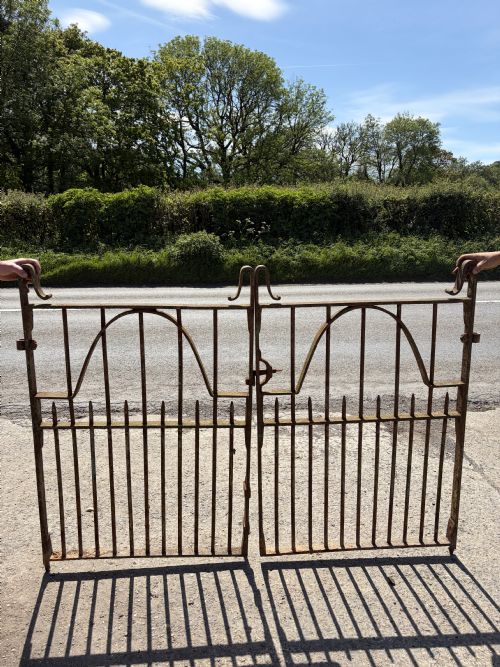
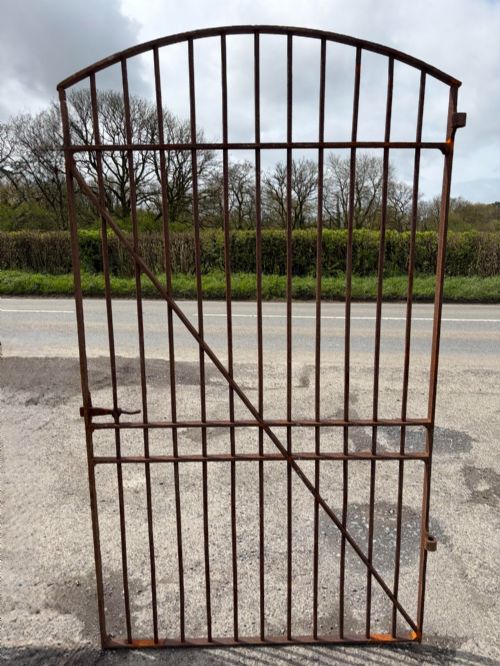
The selection ranges from tall nineteenth-century arched estate gates to smaller garden wickets and brass fire guards. Victorian and Art Deco examples dominate the available styles, often featuring robust strapwork or distinctive trident details.
How they were made
Blacksmiths shaped wrought iron and steel through hot forging, joining heavy bars with structural rivets and decorative strapwork. Bronze and brass elements were cast or beaten to provide contrasting ornamental details against the iron frames.
Makers utilised architectural salvage techniques to combine durability with artistic flair, evident in riveted joints and bronze integrations. These methods ensured each gate or screen withstood outdoor exposure while maintaining fine visual proportions.
Listings span four distinct periods: eighteenth century, nineteenth century, Victorian, Edwardian, and nineteen-twenty.
What varies in quality
The distinction between standard utility and superior craftsmanship rests in the complexity of the forging and the integrity of the metal. Heavier strapwork, precise riveting, and integrated bronze or brass decorative motifs mark out the superior examples.
Artistic attribution also defines the upper tier, where named designers elevate utilitarian ironmongery into sculptural architectural screens. Lesser pieces rely on simpler repetitive patterns without the bespoke hand-forged flourishes found on estate-scale items.
Raymond Subes
The Decorative Metal Gate Glossary
- Architectural salvage
- Building elements rescued from older structures for reuse in new settings. These items preserve historical craftsmanship and materials.
- Strapwork
- Ornamental flat bands of metal arranged in geometric patterns. This technique reinforces structural joints while adding surface decoration.
- Estate gate
- A large vehicular or pedestrian barrier designed for country properties. They provide substantial security and grand formal entry.
- Fire guard
- A protective screen placed in front of an open hearth. Brass and iron versions shield rooms from sparks while framing the fireplace.
Decorative Metal Gate: Frequently Asked Questions
How do I secure an estate gate?
Large wrought iron gates require sturdy brick piers or stone posts for reliable hanging. Professional installation ensures the heavy metal framework operates smoothly over time.
Ground clearance and proper latch alignment prevent sagging. Regular inspection of the pivot points keeps movement effortless.
Can these garden gates be used indoors?
Architectural iron panels and smaller screens transition effectively into interior spaces as room dividers or wall art. Their open strapwork design maintains light flow while defining distinct areas.
Mounting requires solid wall anchors to support the substantial weight of forged iron. Ensure the chosen surface can bear the structural load securely.
How do I date a wrought iron gate?
Construction methods provide the clearest indicator of age. Hand-forging, structural riveting, and specific period motifs point toward nineteenth or early twentieth-century origins.
Stylistic cues such as Art Deco geometric lines or Victorian trident details narrow the manufacturing era. Comparing the weight and strapwork proportions confirms the historical context.
What maintenance do metal gates need?
Outdoor ironwork requires periodic cleaning and protective coatings to prevent rust formation. Inspecting the surface for paint flaking protects the underlying metal from moisture.
Moving parts benefit from occasional lubrication to ensure smooth operation. Keeping foliage cleared from the base prevents dampness accumulating against the lower rails.