



Antique Brass Hardware
Antique brass hardware brings tactile historical function to doors and furniture, offering enduring detail through solid construction.
Identifying antique brass hardware
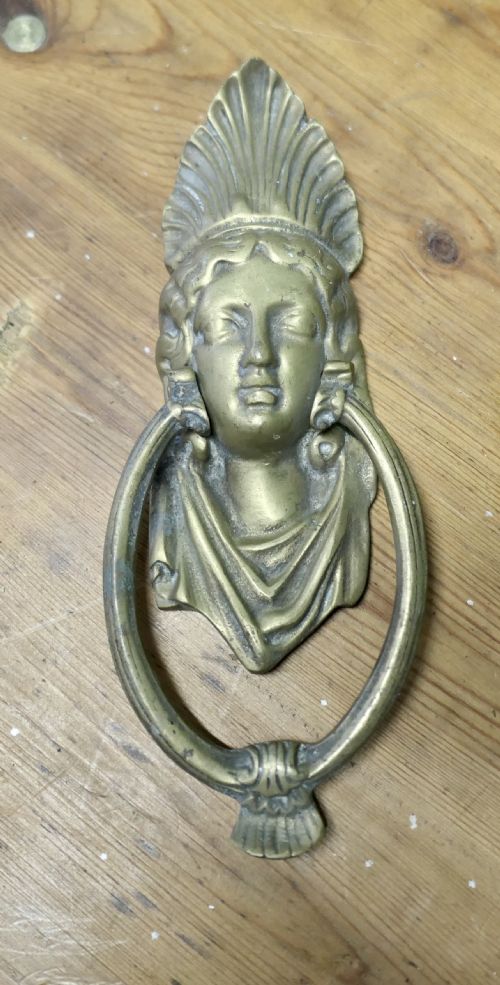
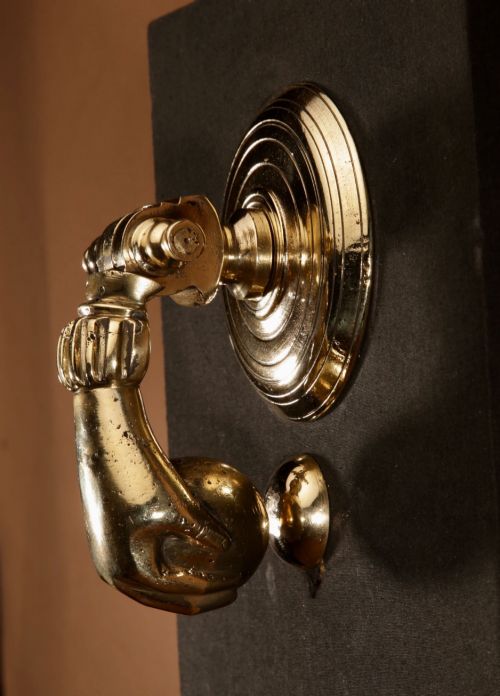
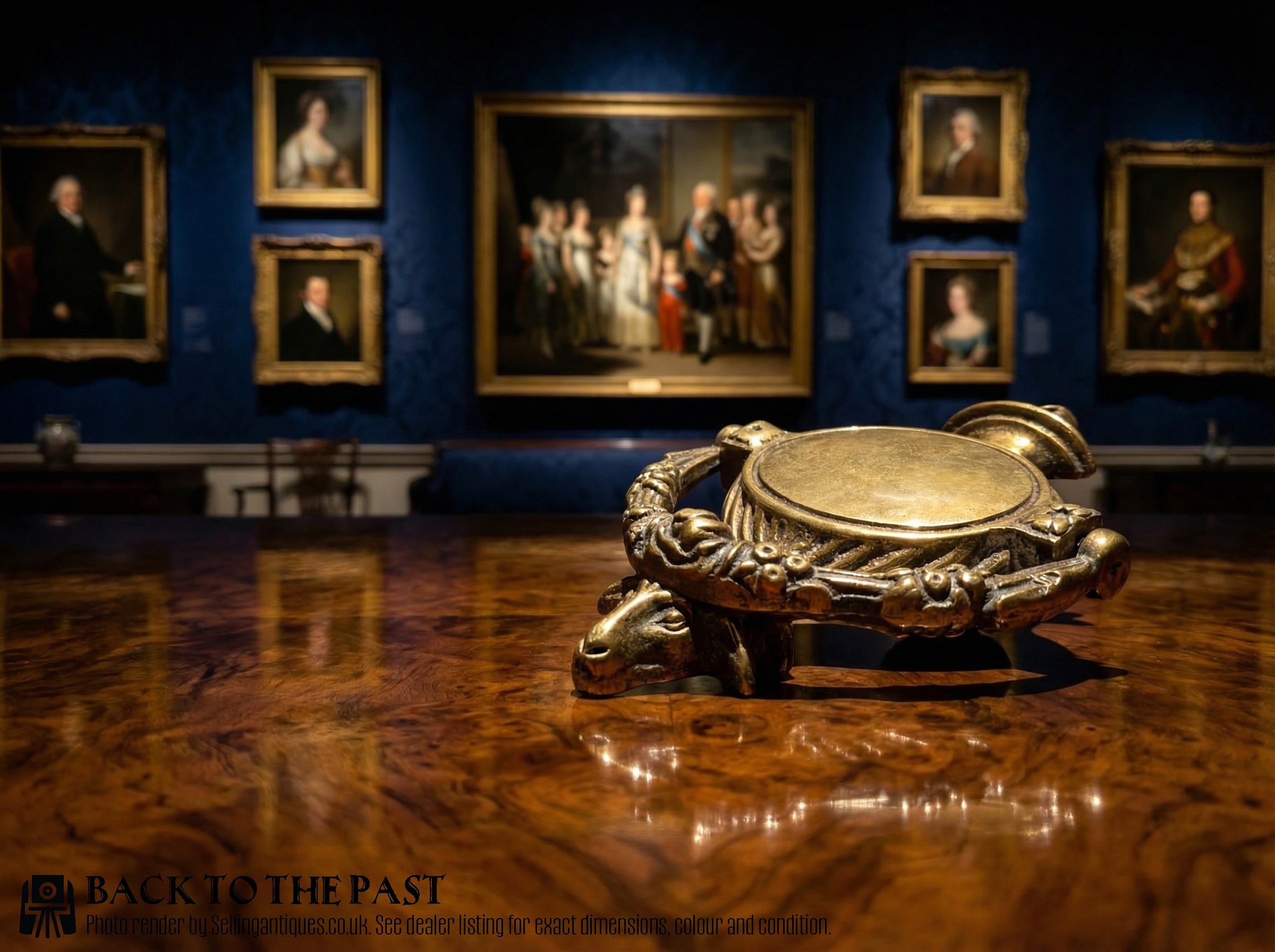
When you search for antique brass hardware, you explore functional fittings that span the Georgian and Victorian periods. The selection includes door hinges, coat hooks, door knockers, and bell ringers.
Most pieces date to the Victorian era and the year eighteen-eighty, alongside earlier eighteenth-century examples. Forms range from ornate architectural fittings to cabinet hardware.
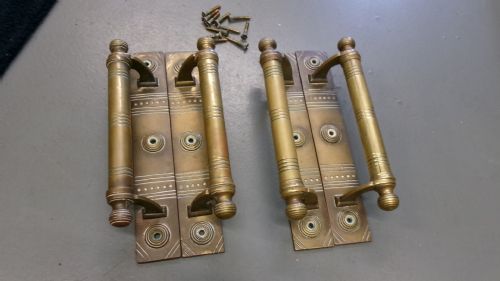
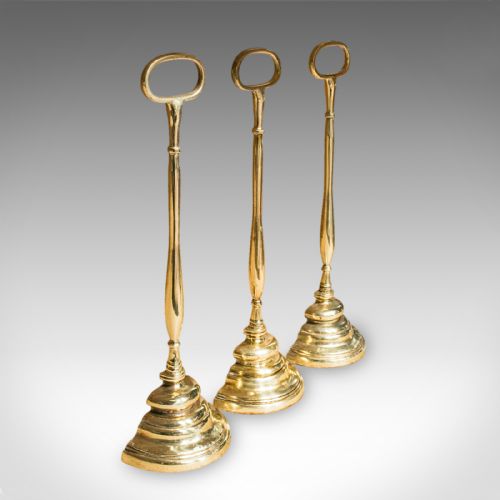
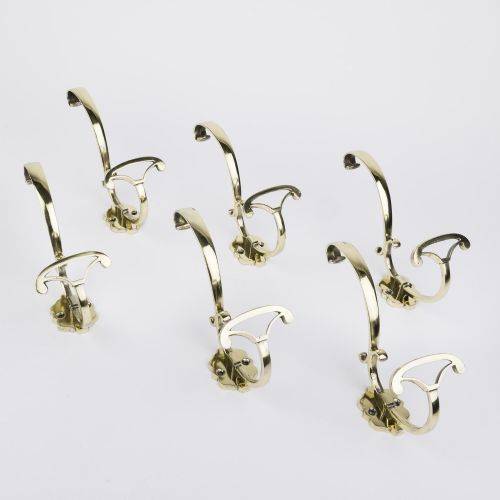
Buyers frequently encounter pairs of Victorian coat hooks and finial hinges among these listings. Walnut furniture items also appear, incorporating brass elements.
Materials and construction
Makers utilised cast brass and solid brass for durability in high-touch architectural settings. These metals provide the substantial weight characteristic of period pieces.
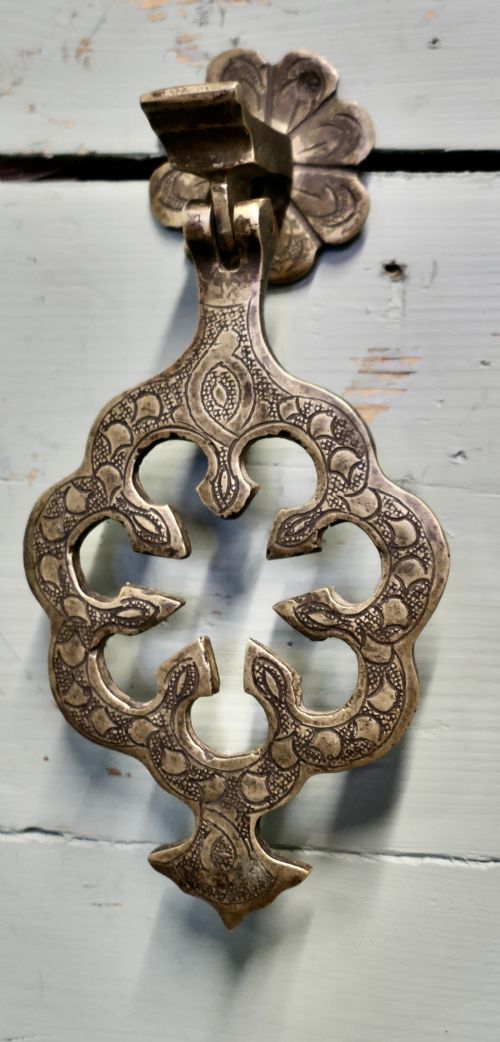
Selected items combine brass with walnut wood and horn, demonstrating varied material application. Surface details reflect Gothic Revival and Neoclassical styles.
Retail Price Guide 2026
Typical UK retail prices for brass hardware, calculated from the Sellingantiques database of over a million retail prices indexed since 2003. This retail price guide relies exclusively on Sellingantiques data; no external sources or auction records are used, so the figures do not describe the wider market.
An eighteenth-century bell ringer pairs gleaming brass with horn, ready to summon staff with antique flair.
Assessing quality
Distinction in quality lies in the crispness of cast ornamentation and the depth of detail on finials and knockers. Ornate Georgian and Victorian castings display sharper relief than standard production.
The integrity of matching sets, such as four-piece hinge collections, indicates superior original output. Material selection, notably the integration of horn or solid brass, further elevates a piece.
The Antique Brass Hardware Glossary
- Cast Brass
- Molten metal poured into a mould to create solid fittings. This technique allows for intricate surface patterns.
- Gothic Revival
- A nineteenth-century design style drawing on medieval architectural motifs. Pieces in this style often display pointed arches and heavy detailing.
- Neoclassical
- A style inspired by classical antiquity focusing on symmetry and restraint. Hardware in this manner complements formal Georgian interiors.
- Bell Ringer
- A mechanical device operated by a pull mechanism to summon service. These domestic objects often combine brass with horn.
Frequently Asked Questions
What periods do these pieces span?
The inventory spans the eighteenth century through to the Victorian era. Pieces include Georgian designs and items dated around eighteen-eighty.
Each era brings distinct stylistic influences, from Neoclassical symmetry to Gothic Revival ornamentation.
What materials are used in this hardware?
Items are primarily constructed from solid brass and cast brass. Selected pieces also incorporate walnut and horn.
These materials ensure structural longevity and distinct tactile qualities across door hinges and bell ringers.
How do I identify Victorian hinges?
Victorian hinges often feature decorative finials, such as acorn shapes, or follow Gothic Revival patterns. They were cast to serve functional roles on doors.
Sets of matching hinges indicate standard architectural configurations from the period.
Where were these items fitted?
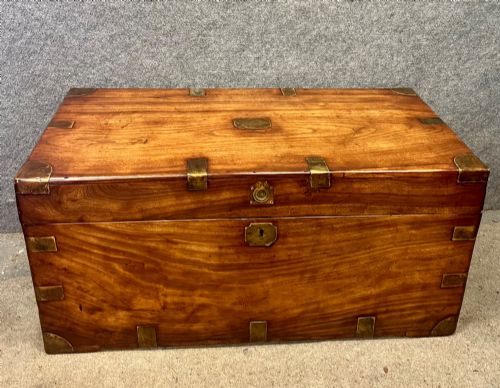
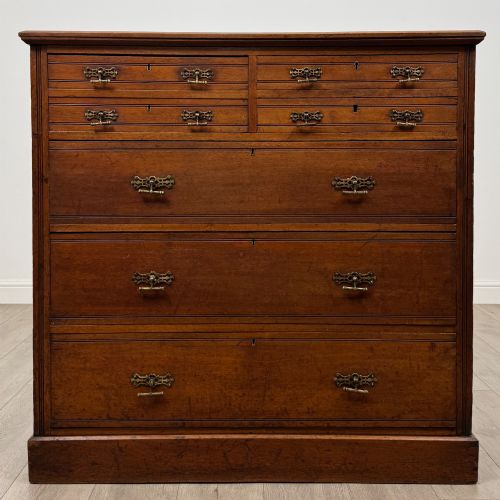
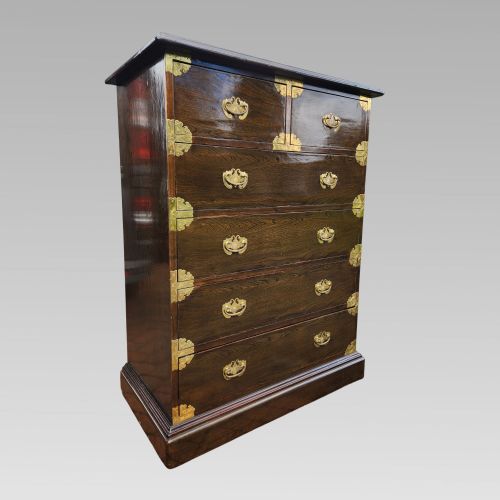
Hardware was utilised on doors, cabinets, and chests of drawers. Items like knockers and bell ringers served entrances and interior communication systems.
Coat hooks provided functional wall storage in domestic hallways.