
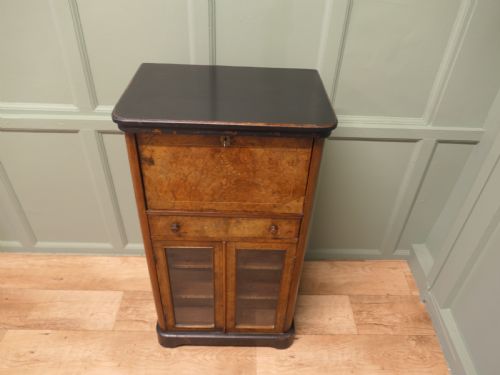
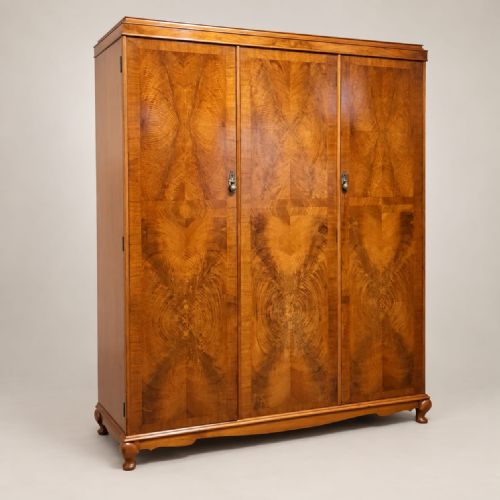


Antique Walnut Storage
Solid timber and figured veneers give antique walnut storage pieces a rich, warm tone that transforms a room.
Antique Walnut Storage
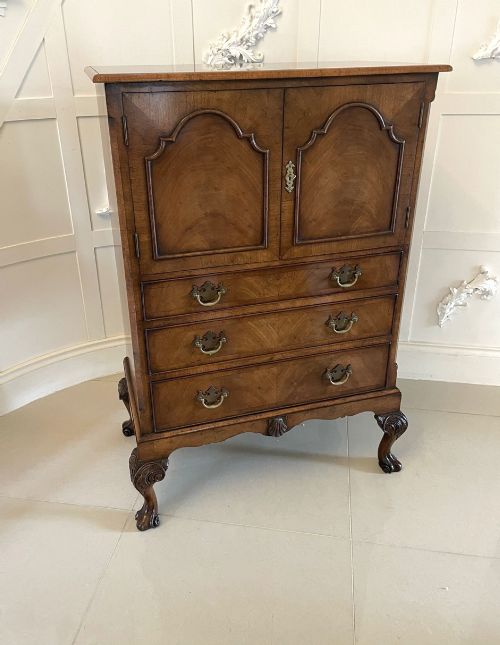
Antique walnut storage encompasses everything from compact chests of drawers and music filing cabinets to grand triple wardrobes and linen presses. These functional items served domestic needs across multiple centuries, adapting to changing household requirements.
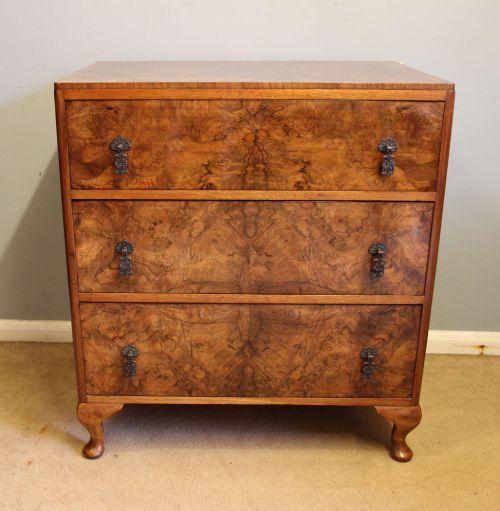
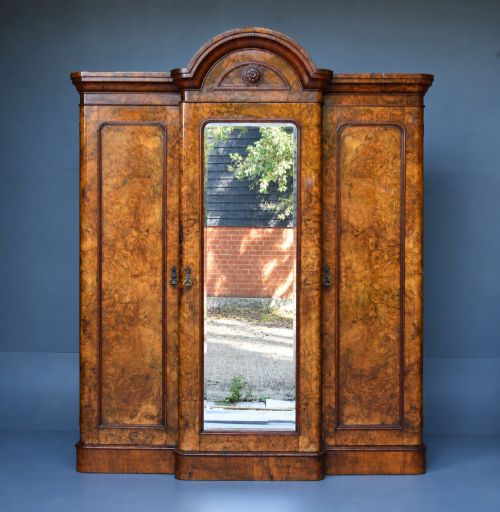
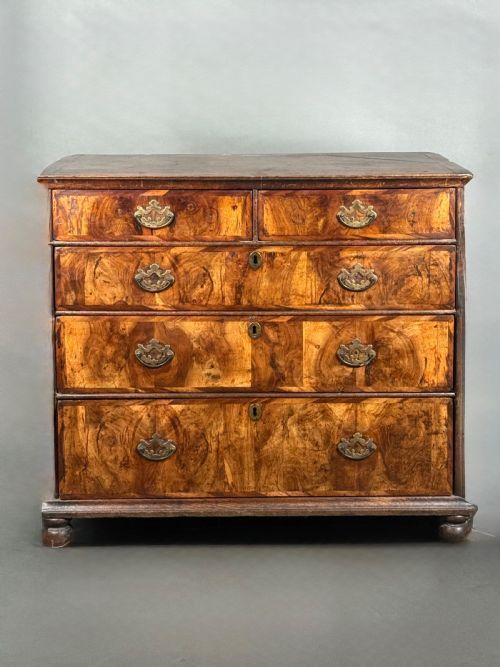
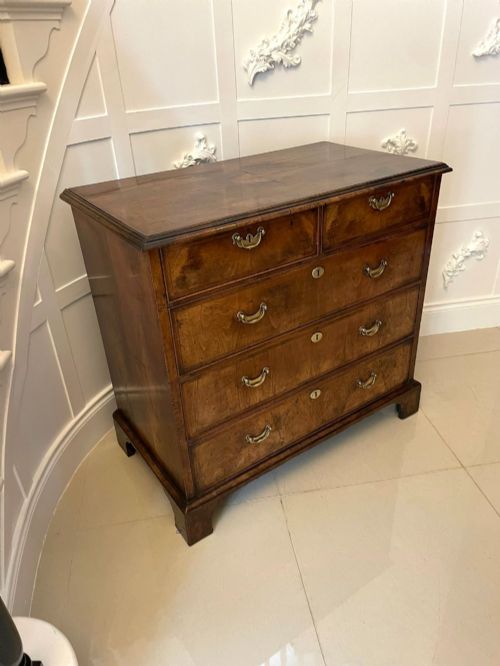
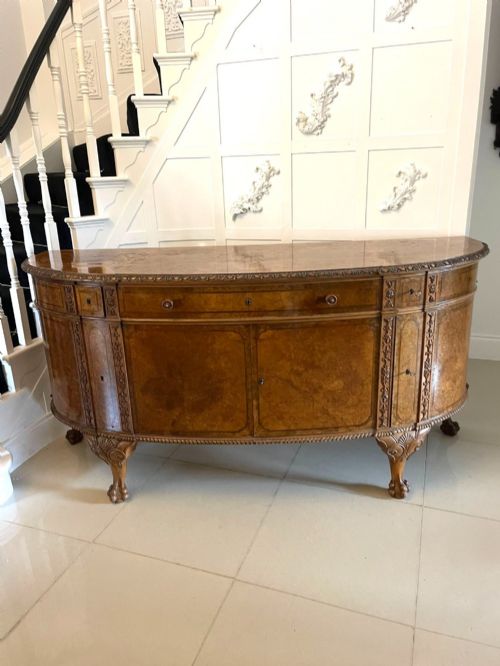
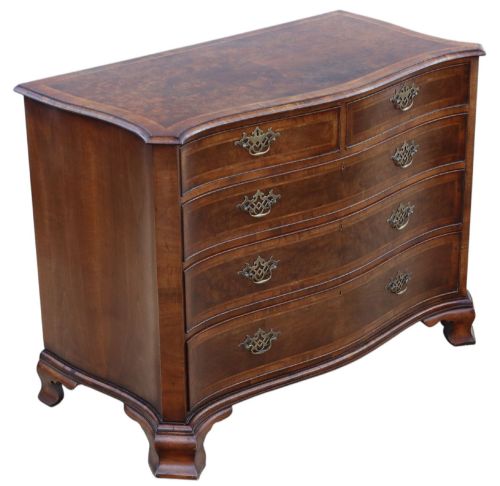
The pieces seen on this page span several distinct periods, including the 18th century, the Victorian era, the Edwardian period, and the 1930s. Buyers frequently encounter chests of drawers and wardrobes showcasing this timber's natural figure.
Forms range from simple George I drawers to elaborate Art Deco sideboards and French commodes with marble tops. Each type reflects the design priorities of its era, combining practical capacity with decorative presence.

How they were made
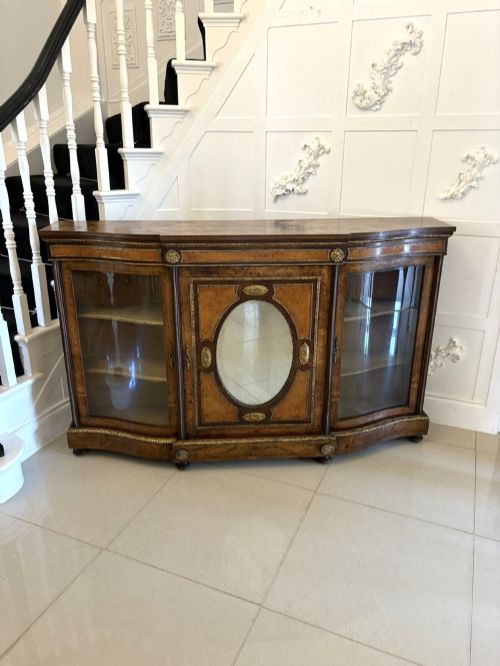
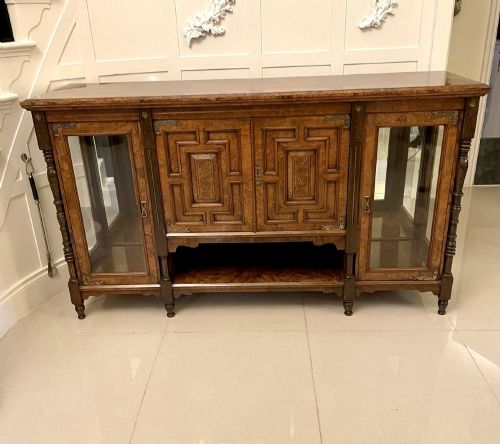
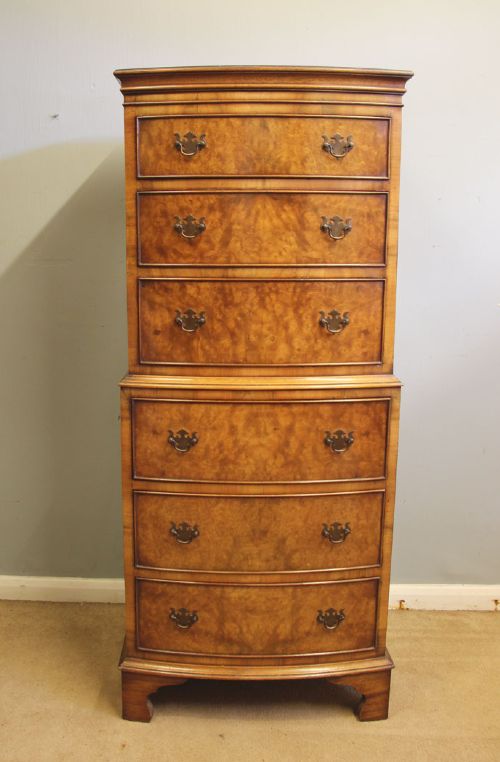
Cabinet makers utilised solid walnut alongside figured veneers, burr walnut, and contrasting timbers like oak. Veneering allowed workshops to display dramatic grain patterns across large drawer fronts and cabinet doors.
Decorative techniques include marquetry, parquetry, crossbanding, and floral inlay, sometimes accented with brass handles or mother of pearl. Construction methods relied on traditional joinery to ensure stability in large pieces like wardrobes and linen presses.
Listings feature walnut, burr walnut, oak, glass, and marble alongside brass and metal hardware.
What varies in quality
The visual impact of the wood figure largely determines the tier of a piece, with matched burr walnut and figured veneers commanding attention. Superior examples exhibit careful selection and symmetrical arrangement of the grain across the surface.
Execution of secondary details, such as marquetry inlay, brass hardware, and carved elements, separates standard production from exceptional masterwork. The integration of marble tops on commodes and cabinets also indicates a higher specification.
Shoolbred & Co.·Jas Shoolbred·Walker & Sons
The Antique Walnut Storage Glossary
- Burr walnut
- A prized veneer taken from the wart-like growths on walnut trees. It yields complex, swirling patterns highly sought after by cabinet makers.
- Crossbanding
- A narrow strip of veneer laid around the border of a panel with the grain running at a right angle. This frames the central wood figure.
- Parquetry
- A geometric mosaic of wood pieces used for decorative floors and cabinet surfaces. It creates sharp, repeating patterns.
- Linen press
- A tall storage piece traditionally used for storing household linen. It usually combines upper cupboard space with lower drawers.
Antique Walnut Storage: Frequently Asked Questions
How do I care for antique walnut?
Keep wooden surfaces away from direct sunlight and steady heat sources to prevent the timber from drying out. Regular dusting with a soft, dry cloth maintains the finish without chemical buildup.
Apply a quality beeswax polish sparingly when the wood appears dry, buffing it gently to preserve the natural sheen. Avoid silicone-based sprays, which can damage aged finishes over time.
How can I tell the period?
Examine the construction methods, drawer linings, and overall proportions to determine the era of manufacture. 18th-century pieces often feature hand-cut dovetails and secondary woods like oak or pine.
Stylistic markers, such as Queen Anne cabriole legs or Art Deco geometric symmetry, provide clear clues. Hardware styles and locking mechanisms also change noticeably between the 1700s and the 1930s.
Where should I place a wardrobe?
Position large wardrobes against interior walls to minimise exposure to damp external masonry and temperature fluctuations. Ensure the floor is level so the doors hang true and open smoothly.
Allow adequate clearance around the piece to appreciate the figured grain and decorative mouldings. Avoid placing antique timber directly beside radiators or air vents.
What is burr walnut?
Burr walnut comes from a tree growth that produces highly distorted, swirling grain patterns. It creates a striking visual texture when sliced into thin veneers.
Cabinet makers utilised this striking material on prominent surfaces like drawer fronts and cabinet doors. Its decorative appeal made it a favourite for high-end furniture across multiple centuries.