

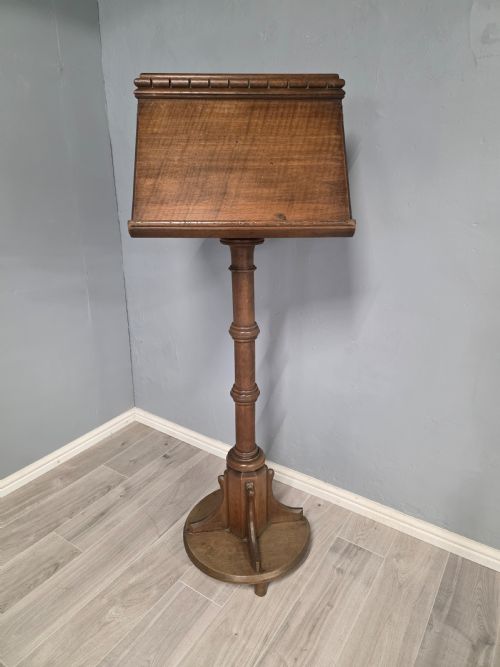


Carved Oak Columns
These carved oak columns are architectural timbers and structural supports shaped from sturdy wood, prized by collectors for bringing substance and historic character to a room.
Carved Oak Columns
When you search for carved oak columns, you encounter architectural elements and decorative supports drawn from centuries of craftsmanship. The pieces on this page span several eras, originating predominantly from the nineteenth and eighteenth centuries.
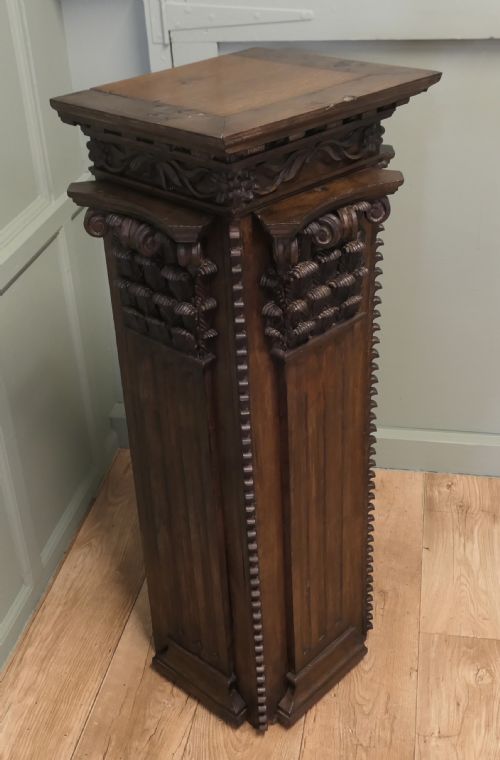
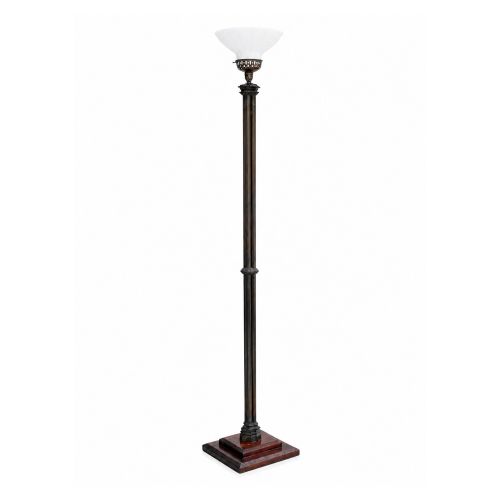
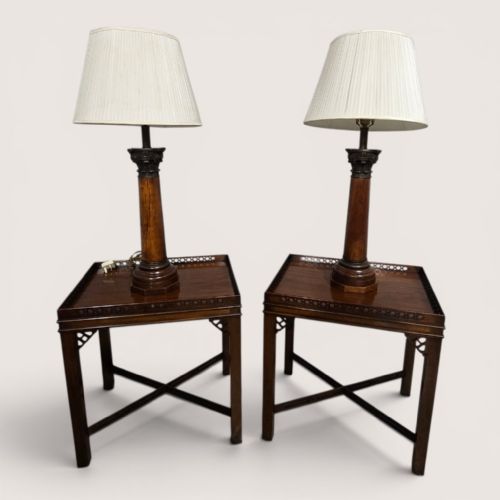
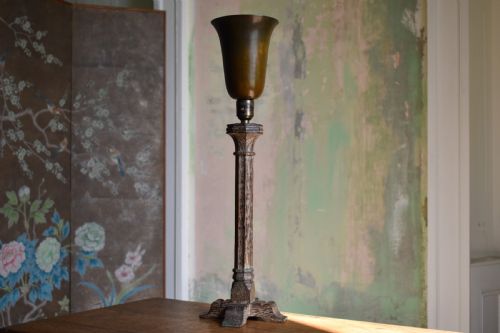
You find these columns incorporated into larger furniture forms or standing independently as pedestals, torcheres, and bed posts. Many examples emerge from Victorian revivals, echoing earlier Gothic, Jacobean, and Renaissance designs.
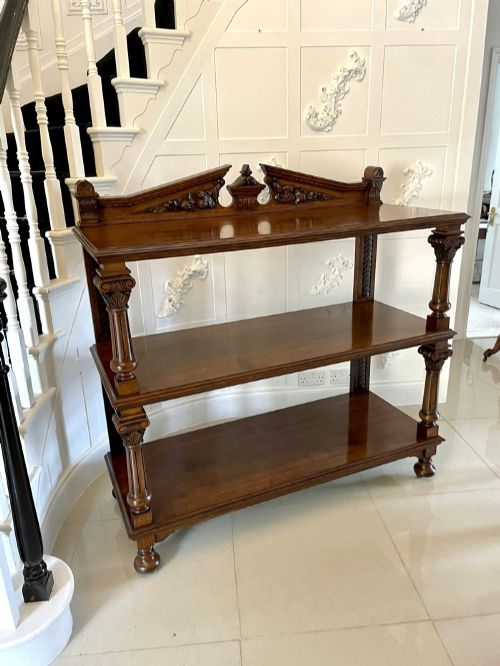
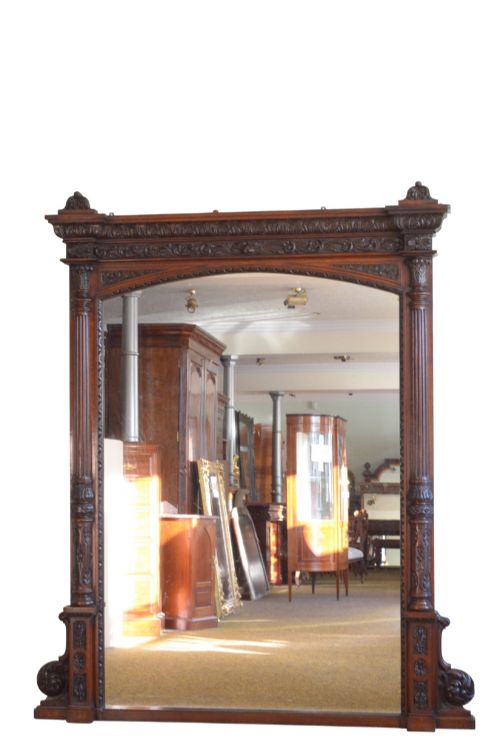
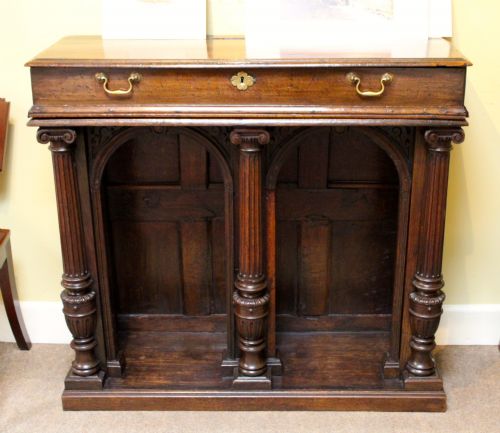
The selection ranges from solitary pillars and matched pairs to columns integrated into bookcases, sideboards, and mirrors. Solid oak dominates the construction, sometimes displaying the rich grain of golden oak or limed finishes.
How they were made
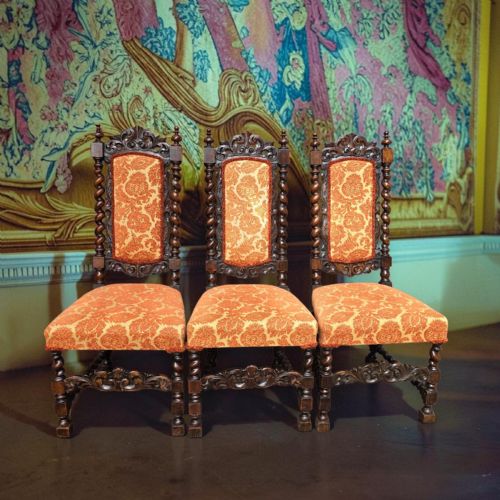
The makers of these pieces relied on dense native timber, shaping solid oak by hand with chisels, gouges, and lathes before applying finishes. Carpenters and turners employed traditional joinery techniques, turning sections on lathes to create spiral twists or leaving surfaces flat for deep relief carving.
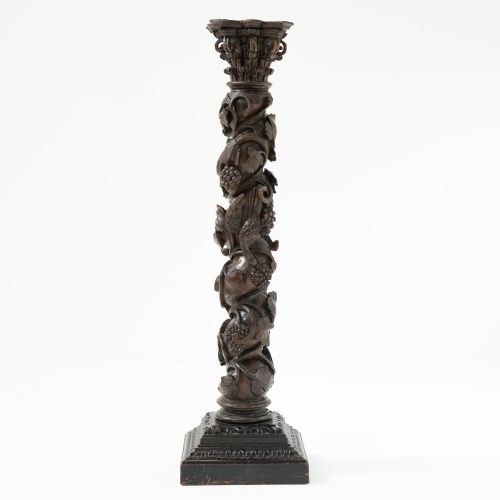
Decoration often involved architectural motifs such as fluting, Corinthian capitals, and spiral twists reminiscent of Solomonic columns. Secondary woods like pine or walnut appear occasionally in related cabinetry, while brass fittings and stone bases provide structural support or contrast.
Form categories on this page include pedestals, torcheres, bed posts, mirrors, and architectural display cabinets.
What varies in quality
The distinction between standard items and exceptional pieces lies in the crispness and depth of the hand-carved detail. Superior examples display sharply defined foliage, figures, or fluting carved directly into the solid timber rather than applied in separate moulded sections.
Proportion and scale dictate the visual impact of a column, with grander pairs demonstrating careful symmetry and balanced turning. The integrity of the timber, the presence of original surfaces, and the depth of the oak patina govern the desirability of each piece.
The Carved Oak Columns Glossary
- Solomonic pedestal column
- A twisted, rope-like column shaft originating in classical architecture and revived frequently during the seventeenth and nineteenth centuries. This distinctive form creates strong diagonal movement along the timber.
- Torchere
- A tall, slender stand or pedestal designed to support a lamp, candle, or decorative object. These pieces frequently incorporate turned columns or barley twist shafts.
- Corinthian
- An architectural order marked by ornate capitals decorated with acanthus leaves. On these pieces, the top of the column adopts this classical leafy elaboration.
- Barley twist
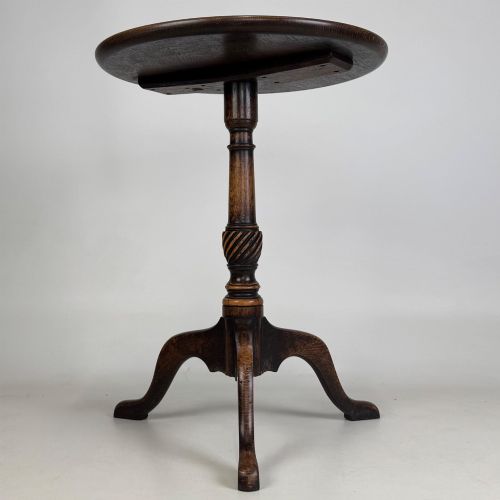
- A type of turning that creates a spiral column resembling a twisted strand of barley. This technique appears widely on seventeenth-century furniture and nineteenth-century revival pieces.
- Caryatid
- A sculpted female figure serving as an architectural support taking the place of a column. They bring figurative sculpture directly into structural woodwork.
Carved Oak Columns: Frequently Asked Questions
What are carved oak columns used for?
These pieces serve as decorative architectural accents, structural supports for larger furnishings, or freestanding display pedestals for art and lamps.
Collectors utilise them to add historical weight, vertical lines, and texture to interior spaces.
How do I date an antique oak column?
Dating relies on examining tool marks, timber shrinkage, style revivals, and the joinery methods used in the construction.
Nineteenth-century revival pieces often mimic seventeenth-century styles, so tool evidence and wood oxidation help determine the true age.
Are these columns solid oak?
The majority of the listings feature solid oak construction, though secondary woods such as pine occasionally appear in backing boards or internal framing.
Matching pairs and grander architectural elements are typically hewn from heavy, durable timber.
How do I display a column at home?
Freestanding columns and torcheres work well in corners or flanking doorways as structural focal points in a room.
Shorter pairs can support lighting or display objects on tabletops, while architectural fragments mount directly onto walls.