




Gold Column Stand
These gold column stand pieces bring upright architectural presence into a room, offering elevated display surfaces or tall lighting.
Gold Column Stand
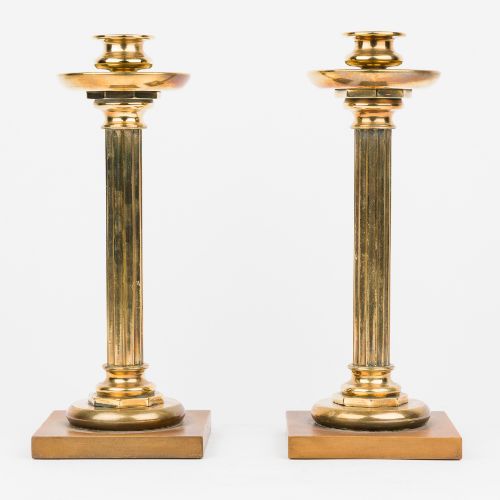
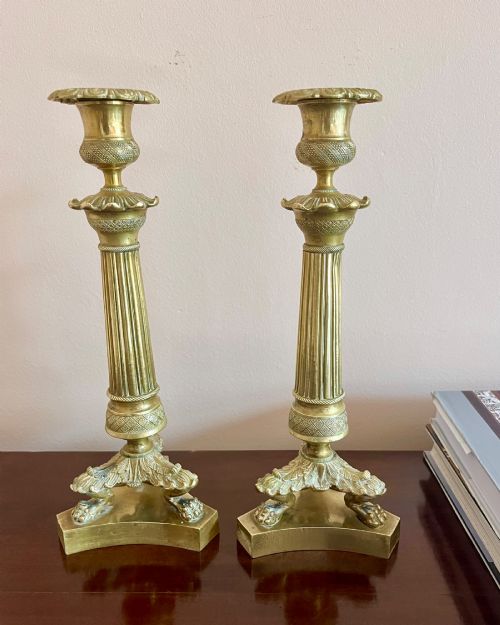
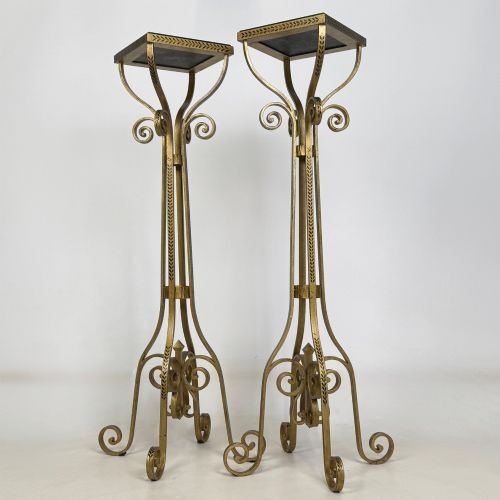
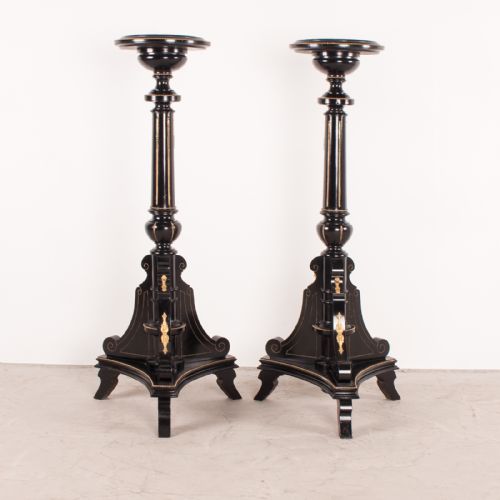
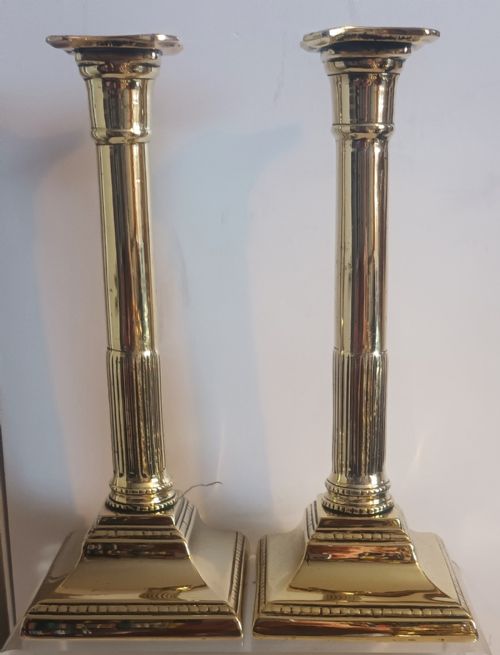
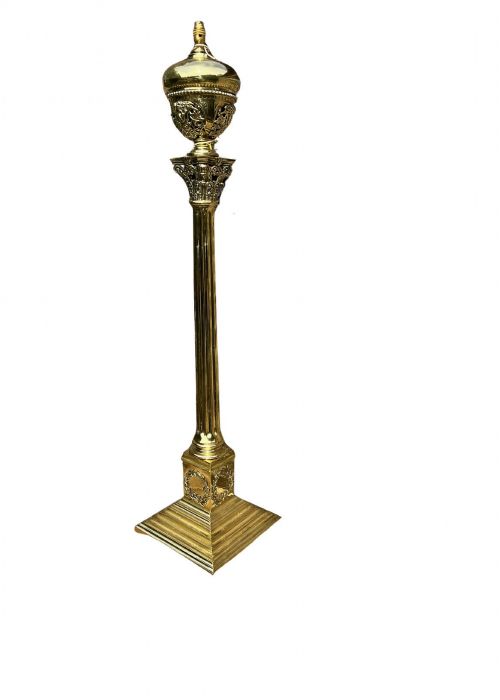
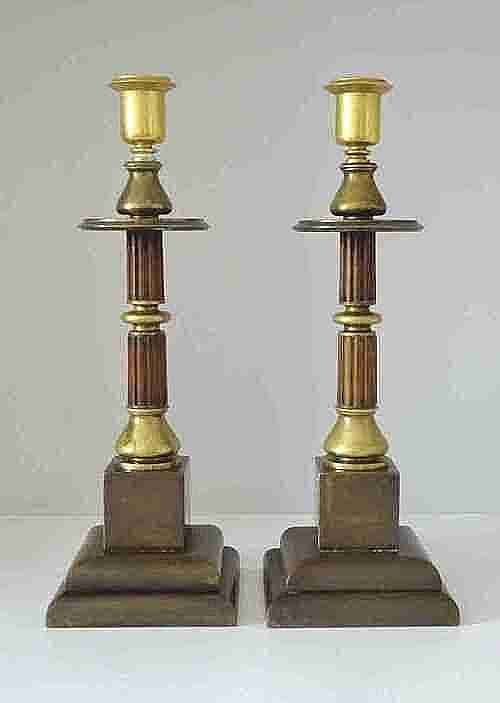
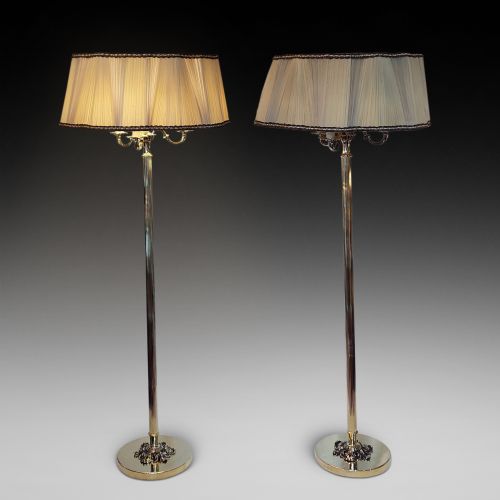
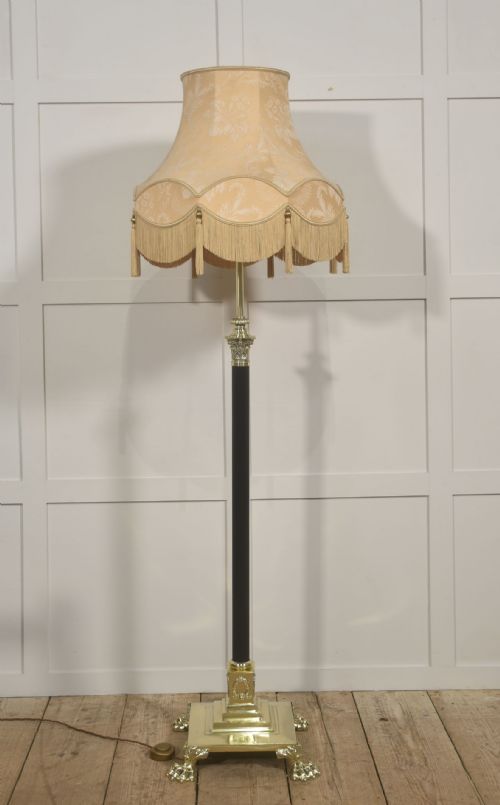
A gold column stand takes the form of tall vertical supports, lighting fixtures, and display tiers meant to elevate objects or illuminate spaces. When you search for a gold column stand, you encounter floor lamps, torcheres, candlesticks, and plant stands created across the eighteenth, nineteenth, and twentieth centuries.
The selections span several distinct aesthetic movements, including Neoclassical, Regency, Victorian, and Edwardian designs. Many pieces utilise classical orders like the Corinthian column, translated into domestic lighting and display furniture.
Makers shaped these tall supports to function as functional lighting or decorative pedestals for urns, plants, and art pieces. Their vertical geometry draws the eye upward, making them useful in corners or beside seating areas.
Materials and construction methods
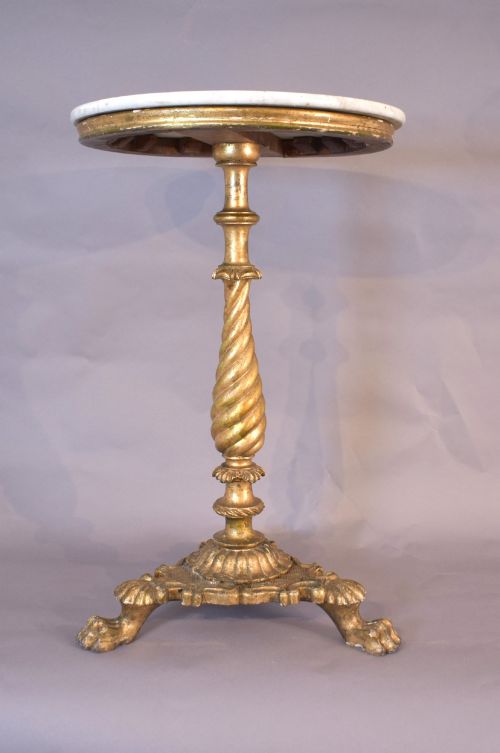
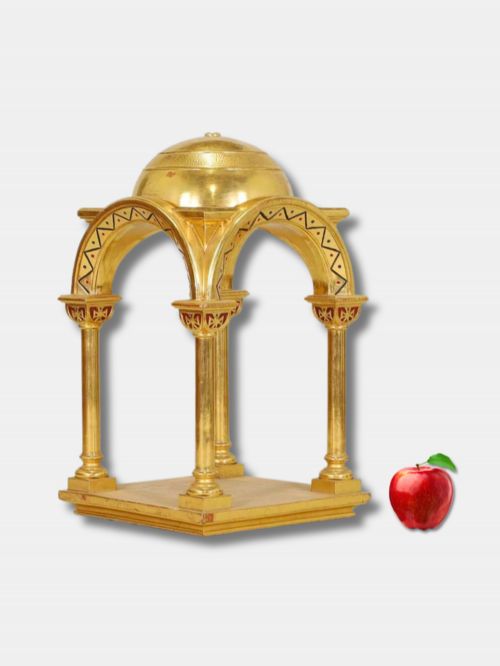
Craftsmen built these items using a foundation of carved wood, cast bronze, or brass, applying gold leaf, gesso, or paint to achieve a gilded surface. Giltwood and gilt bronze provide the reflective metallic finish characteristic of the form, often paired with marble or onyx tops.
Carpenters and metalworkers assembled columns using weighted bases, triform supports, and adjustable stems. Joinery in the wooden elements sits alongside cast metal components secured with threaded rods and heavy bases to ensure stability for tall floor lamps and torcheres.
Several tall standards arrive with adjustable stems, proving that past generations also enjoyed tweaking the reading lights.
Evaluating craftsmanship and detail
Quality reveals itself in the crispness of the carving or casting, particularly in foliate capitals and fluted columns. Finer examples display hand-chased metalwork or meticulously applied gold leaf rather than uniform modern paints.
Structural integrity dictates the longevity of tall standards; heavy cast brass bases and solid timber triforms prevent wobble in floor lamps and torcheres. The weight and selection of inset materials, such as genuine marble or onyx tops, separate standard production items from finer decorative pieces.
The Gold Column Stand Glossary
- Torchere
- A tall stand or candlestick designed to carry a light or hold an ornament. These pieces often feature slender vertical shafts.
- Corinthian column
- A classical pillar style characterised by ornate capitals decorated with acanthus leaves. This motif appears frequently on nineteenth-century standard lamps.
- Giltwood
- Timber coated with a thin layer of gold leaf or gold paint. This technique gives wooden frames and stands a metallic sheen.
- Gesso
- A plaster-like mixture applied to wood as a base for gilding or painting. It allows craftsmen to carve intricate relief details before applying gold leaf.
- Triform
- A base or table supported by three legs or feet. This configuration provides stability for tall pedestals.
Gold Column Stand: Frequently Asked Questions
Where should I place a standard lamp?
These tall floor lamps suit corners of reception rooms or beside reading chairs where vertical reach and downward illumination are useful.
Their narrow footprints allow them to occupy minimal floor space while delivering significant decorative impact.
How do I distinguish Victorian from Edwardian pieces?
Victorian stands tend to feature heavier, ornate castings with deep relief and dark patination, drawing on classical or Gothic revival idioms.
Edwardian examples often display lighter proportions, sometimes incorporating painted surfaces or simplified neoclassical motifs.
What is the difference between a torchere and a pedestal?
A torchere traditionally holds a light source or acts as a tall decorative plant stand, whereas a pedestal or plinth provides a sturdy flat surface for heavy sculptures or urns.
Both utilise vertical column forms to elevate objects above floor level.
Can these metal stands be polished?
Brass and bronze components respond well to gentle dusting and occasional cleaning with non-abrasive cloths to preserve their natural patination.
Aggressive metal polishes should be avoided on antique surfaces to maintain the historical character of the metal.