






French Display Column
A French display column elevates sculpture or porcelain with classical dignity.
French Display Column
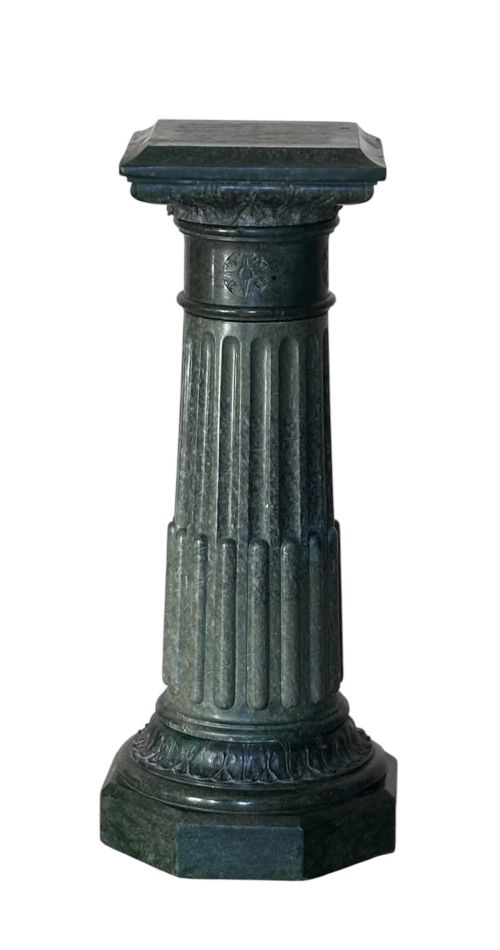
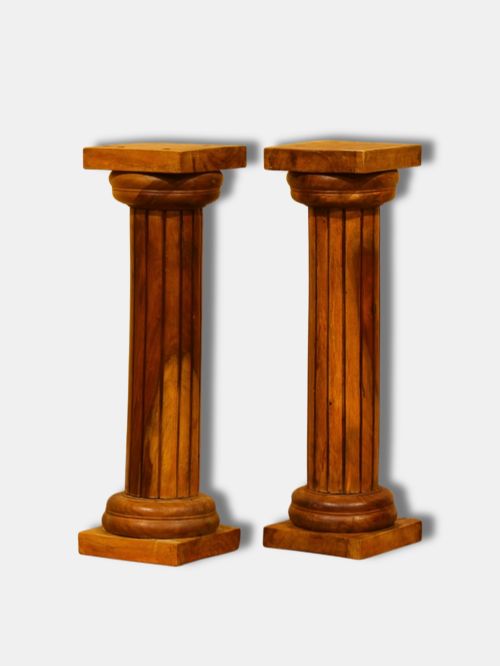
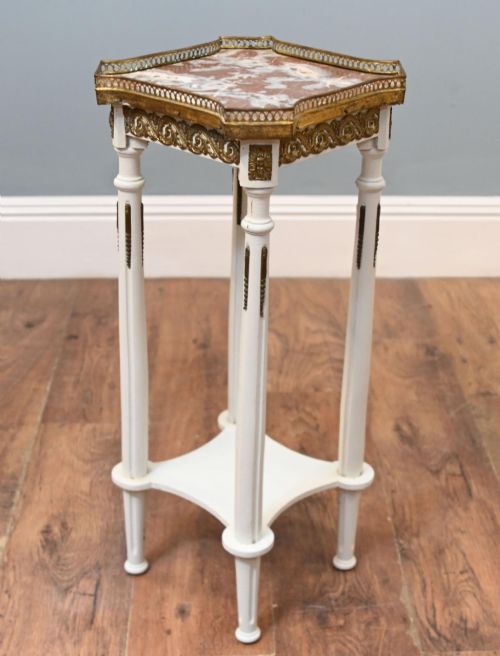
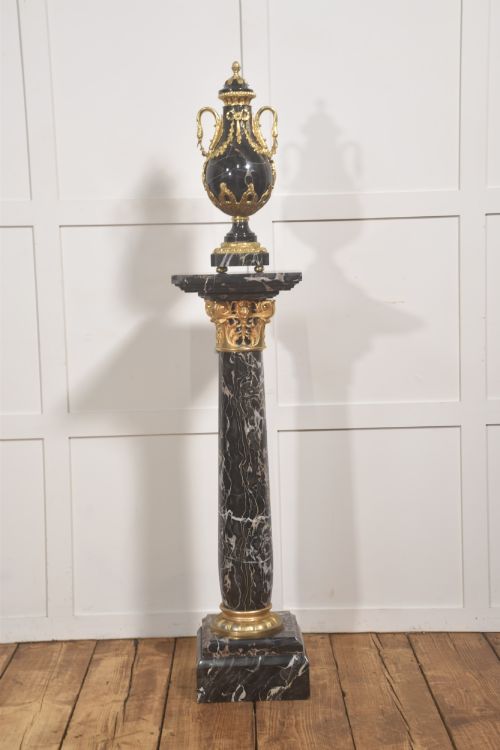
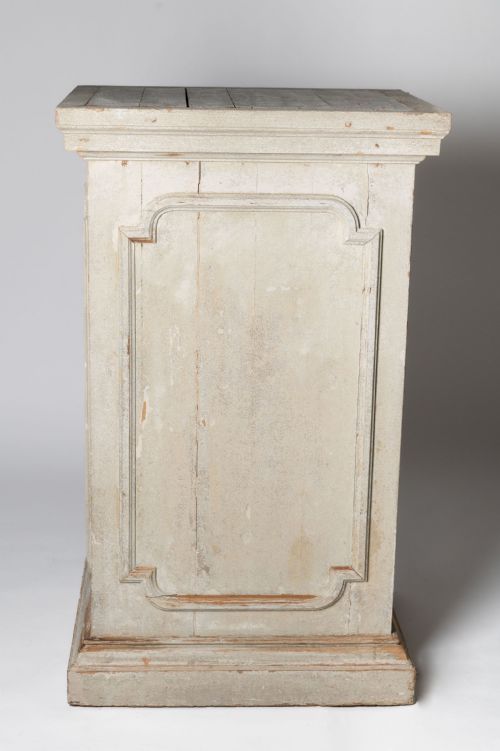
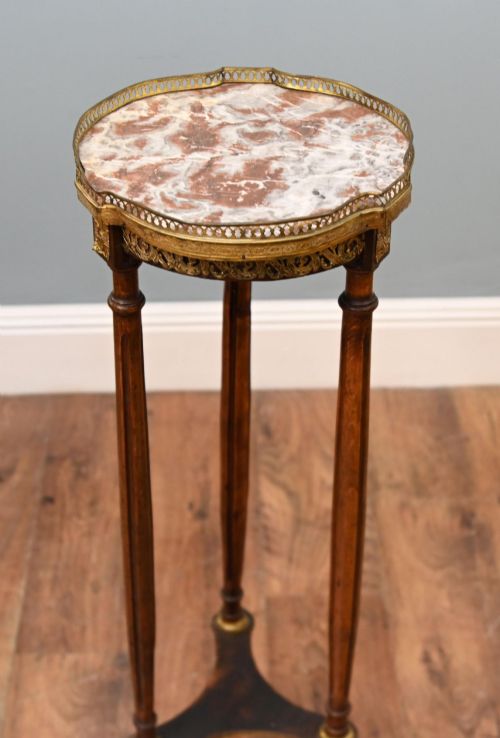
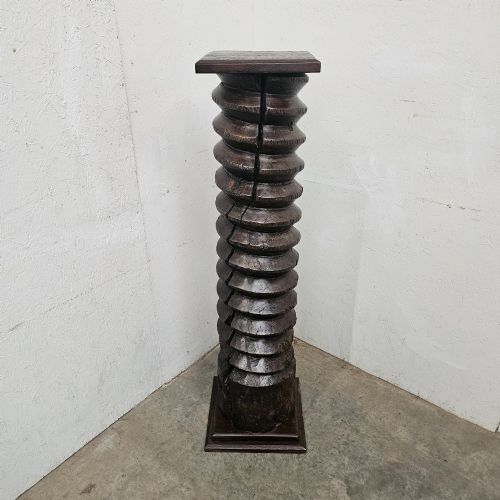
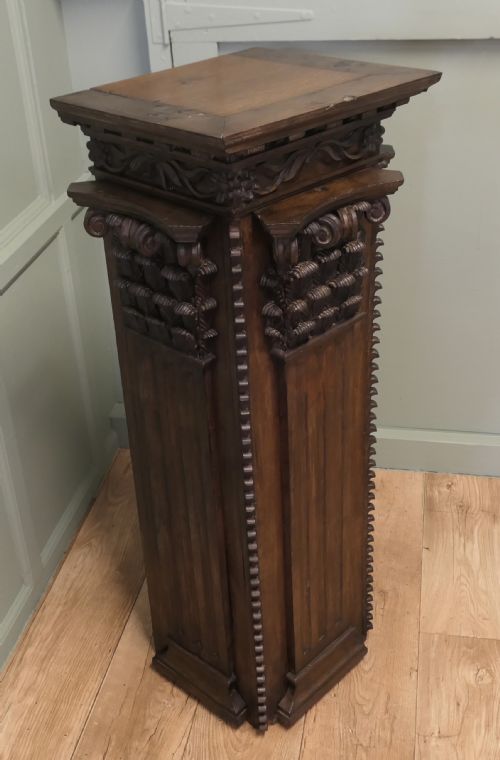
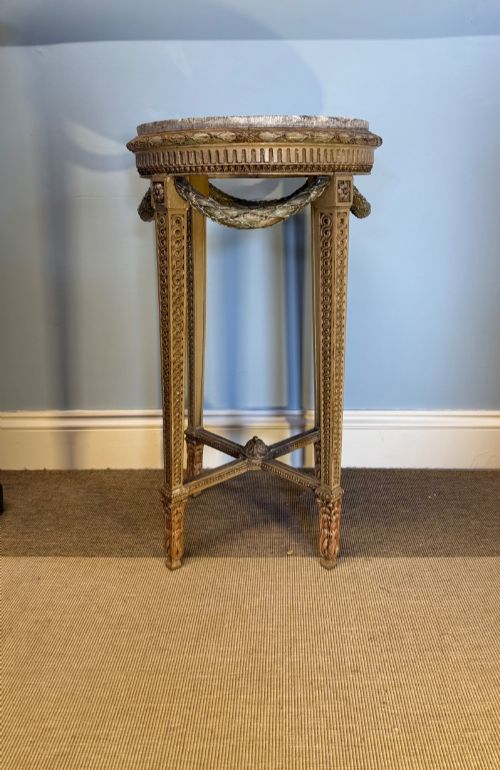
A french display column acts as a structural stage for decorative objects, elevating them within a room. When you search for this phrase, you encounter architectural supports shaped as cylindrical shafts, square plinths, and plant stands.
Nineteenth-century examples dominate the selections here, often styled in the Neoclassical or French Empire manner. These pieces range from slender torchères designed for lighting to robust marble and onyx columns built to bear substantial weight.
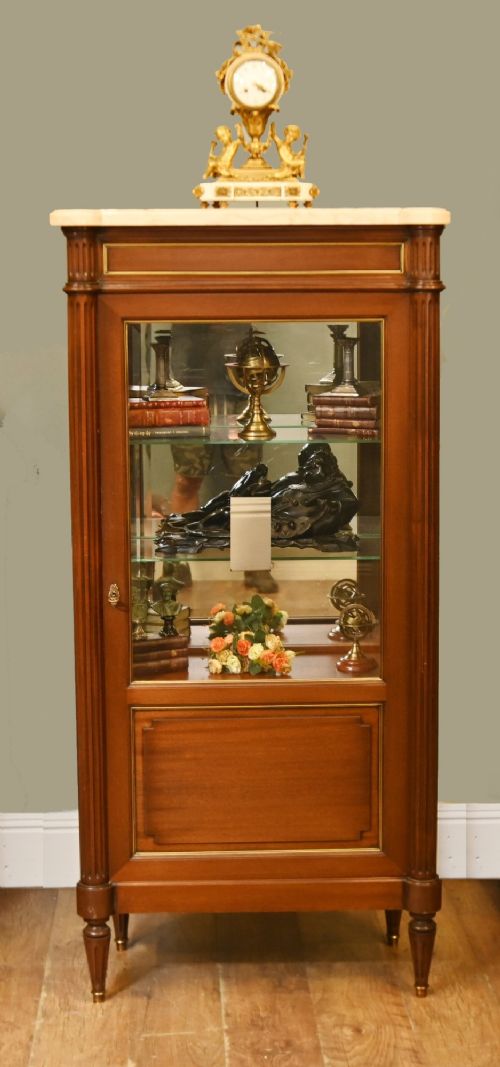
The assortment also includes occasional stands and display cabinets sharing the same vertical emphasis. Makers constructed these items to draw the eye upward and showcase treasured possessions at standing height.
Materials and Techniques
Craftsmen built these columns using dense stones like marble, serpentine, and onyx, frequently paired with mahogany, walnut, or kingwood. Metal mounts in ormolu, brass, and gilt bronze accentuate the structural lines of the stone and timber shafts.
Carvers employed gesso and paint on giltwood and softwood surfaces to mimic heavier or richer materials. Joiners turned timber on lathes and fitted stone sections precisely with concealed iron rods for stability.
French Display Column Retail Price Guide 2026
Typical asking prices for french display column among the pieces listed under this phrase on Sellingantiques today, from the lower quarter to the upper quarter. They describe what is for sale here now, not the wider market.
Listings feature eighteenth-century styles alongside nineteenth-century originals in mahogany, walnut, brass, and marble.
Evaluating Quality
Quality rests upon the choice of raw materials and the crispness of the carving or metalwork. Solid marble and rich onyx shafts possess a natural depth that lesser painted substitutes lack.
Finely chased ormolu collars and crisp gilt bronze mounts separate standard workshop production from exceptional pieces. The weight and rigidity of the central column determine its functional capacity to support heavy bronzes safely.
Marguerite
The French Display Column Glossary
- Ormolu
- Gilded bronze used for decorative mounts on furniture and columns. This technique involved applying finely ground gold mercury amalgam to bronze.
- Torchère
- A tall ornamental stand designed to hold a lamp or candle. These slender supports often feature carved giltwood or polished brass.
- Plinth
- The heavy base supporting a column or statue. It provides stability and visual weight to the structure above.
French Display Column: Frequently Asked Questions
What were french display columns used for?
These vertical stands held bronze sculptures, ceramic urns, and heavy floral arrangements in formal nineteenth-century interiors. By lifting objects to eye level, they allowed guests to inspect fine details without bending down.
They also served as independent architectural accents that filled empty corners and added symmetry to formal room layouts.
How do I choose the right height?
Consider the height of the object you intend to place on top and the overall ceiling height of your room. Taller torchères suit larger spaces and heavier pieces, while shorter stands work well beside seating furniture.
Ensure the top surface area matches or exceeds the base footprint of your display item for secure placement.
How do I care for marble and onyx columns?
Dust the stone and timber surfaces regularly with a soft, dry cloth to prevent grit accumulation. Avoid using acidic cleaners or household detergents on marble and onyx, as these substances etch the polished finish.
Apply a microcrystalline wax sparingly to wood and metal parts to protect the finish from atmospheric moisture.
How do I distinguish Neoclassical from Empire styles?
Neoclassical columns draw inspiration from ancient Greek and Roman architecture, featuring restrained fluting and delicate floral or leaf motifs. They often utilise white or softly coloured marbles.
Empire style pieces display a heavier military and imperial influence, incorporating bold ormolu mounts like sphinxes, laurel wreaths, and claw feet.