




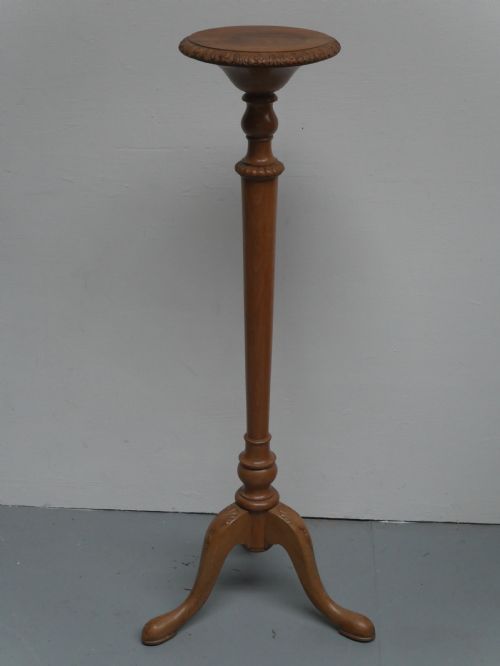


Brown Timber Column Stand
These brown timber column stand pieces elevate urns and sculptures with vertical presence.
Brown Timber Column Stand
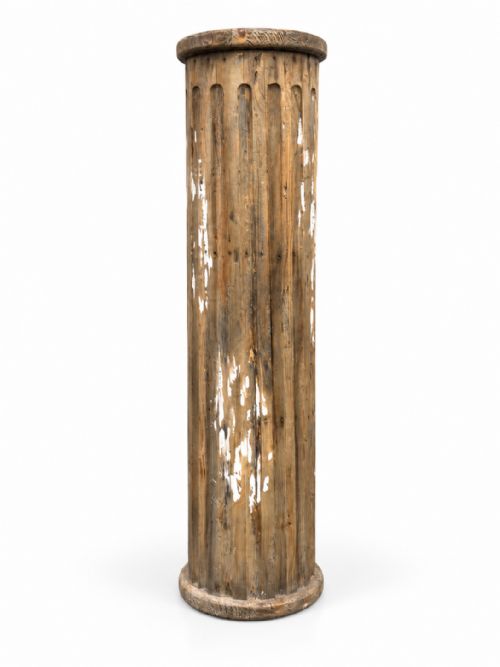
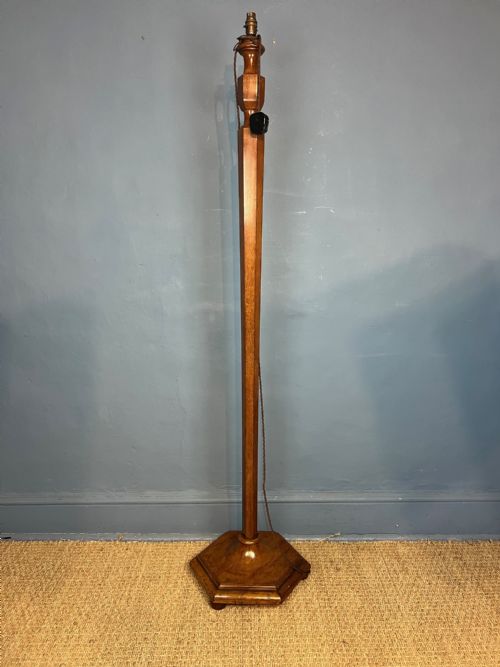
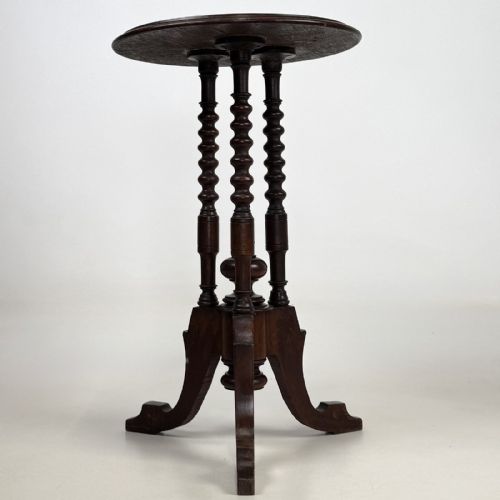
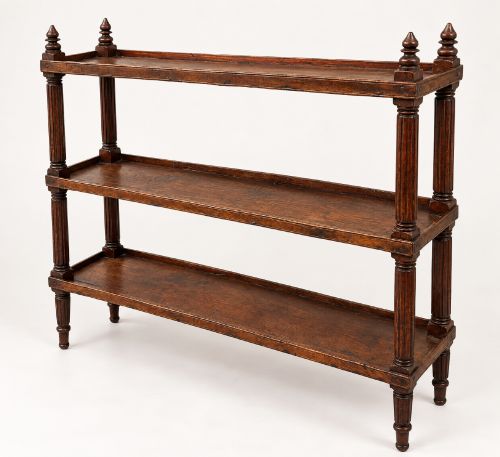
A brown timber column stand provides a raised platform for display, holding plants, sculptures, lamps, and decorative objects in a room. The selections here span the Victorian era, the nineteenth century, and the nineteen-thirties, offering varied heights and column profiles.
Most examples function as pedestals, plant stands, torchiere columns, and display columns. You will find straightforward mahogany and walnut shafts alongside carved wooden examples with specific architectural detailing.
The forms range from simple fluted wooden columns to pieces incorporating storage cabinets or secret compartments. They serve to lift focal objects into the line of sight within hallways, drawing rooms, and studies.
How they were made
Cabinetmakers constructed these columns using dense hardwoods such as mahogany, walnut, rosewood, oak, and beech, frequently enhanced with brass fittings or marquetry inlay. Timber selection dictated the structural stability required to support heavy stone or bronze sculptures.
Carving techniques created fluting, caryatid supports, and figural details directly into the solid wood or applied components. Surfaces received hand-applied finishes that highlighted the natural grain and colour of the timber.
Brown Timber Column Stand Retail Price Guide 2026
Typical asking prices for brown timber column stand among the pieces listed under this phrase on Sellingantiques today, from the lower quarter to the upper quarter. They describe what is for sale here now, not the wider market.
Listings feature mahogany, walnut, rosewood, oak, and beech across nineteenth-century and early twentieth-century periods.
What varies in quality
Quality rests in the crispness of hand carving and the selection of figured timber veneers. Superior examples display balanced proportions, stable weight distribution at the base, and tight joinery.
Simple turned columns contrast with intricately carved caryatids and inlaid surfaces, reflecting the original workshop ambition. The integration of functional elements like secret compartments or cabinet doors also separates standard production from finer cabinetwork.
The Brown Timber Column Stand Glossary
- Pedestal
- A structural support or base designed to elevate a sculpture, vase, or lamp above floor level. These items often feature a square or circular top plate and a heavy foot for stability.
- Torchiere
- A tall stand or floor lamp designed originally to hold a torch or candle, adapted in later periods for electric lighting. They share the slender vertical column form common to display pedestals.
- Caryatid
- A sculpted female figure serving as an architectural support taking the place of a column or pilaster. In these pieces, the figure supports the upper display platform.
- Jardiniere
- An ornamental pot or stand for plants and flowers, often integrated into nineteenth-century column designs. They provide a waterproof liner or surface specifically for botanical displays.
- Inlay
- A decorative technique where contrasting materials are inserted into recessed areas of the base timber. Common motifs include geometric lines and botanical patterns executed in lighter woods.
Brown Timber Column Stand: Frequently Asked Questions
What can I display on a column stand?
These stands accommodate heavy items like bronze sculptures, marble busts, large house plants, and decorative vases. The sturdy wooden tops and balanced bases provide secure elevation for display.
Heavier items benefit from wide-based pedestals, while lighter lamps and jardinieres suit slimmer fluted columns and standard lamp formats.
How do I date a wooden pedestal?
Dating relies on timber choice, construction methods, and stylistic revival periods. Nineteenth-century pieces often use solid mahogany or walnut with hand-carved classical details.
Later items from the nineteen-thirties reflect simpler geometric lines or Art Deco influences, moving away from heavy Victorian revival ornamentation.
Are these stands stable on carpets?
Most columns feature weighted or wide bases designed to maintain balance on various flooring types. Tall stands holding heavy sculptures require careful placement to ensure absolute stability.
Checking the footprint and weight distribution of each individual stand helps determine its suitability for high-traffic areas.
How do I care for antique timber columns?
Routine maintenance involves dusting with a soft, dry cloth and avoiding placement near direct heat sources or strong sunlight. These precautions protect the polish and prevent the wood from drying out.
Applying a traditional beeswax polish occasionally helps nourish hardwood surfaces and maintain their natural sheen.