


Antique Statue on Pedestal
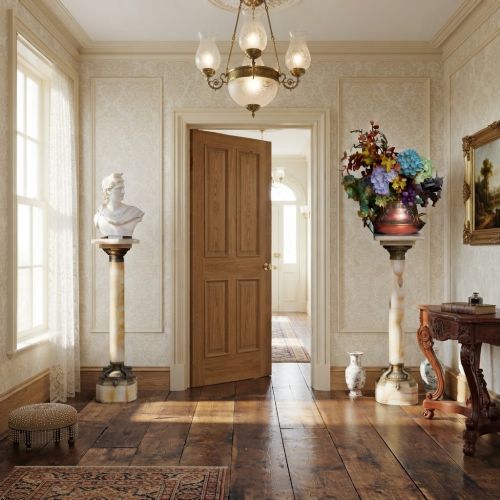
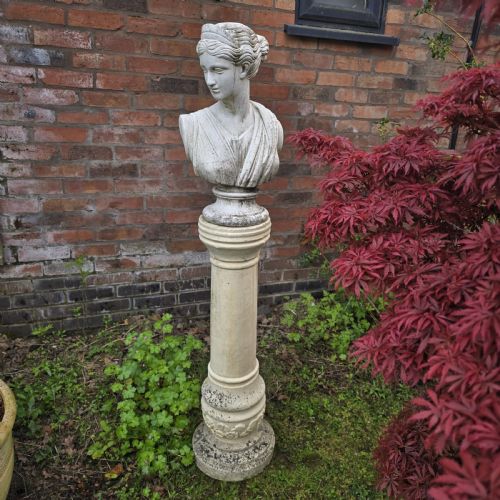
An antique statue on pedestal brings classical presence to a room, combining figural sculpture with a matching column.
Antique Statue on Pedestal
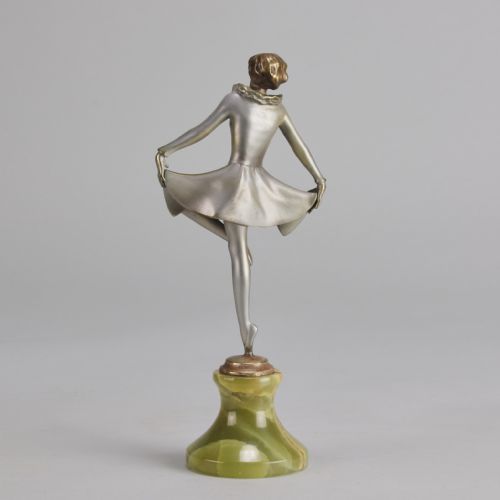
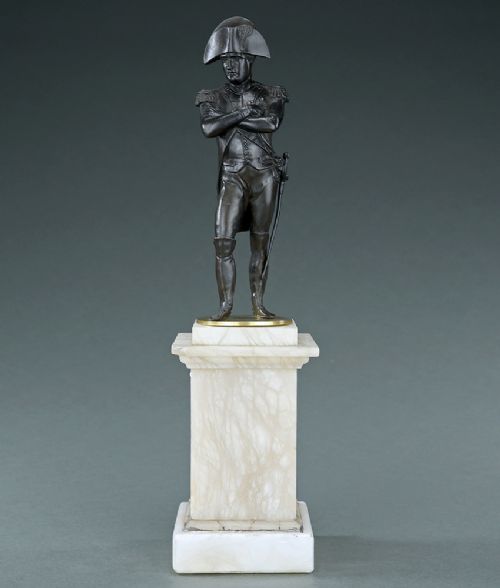
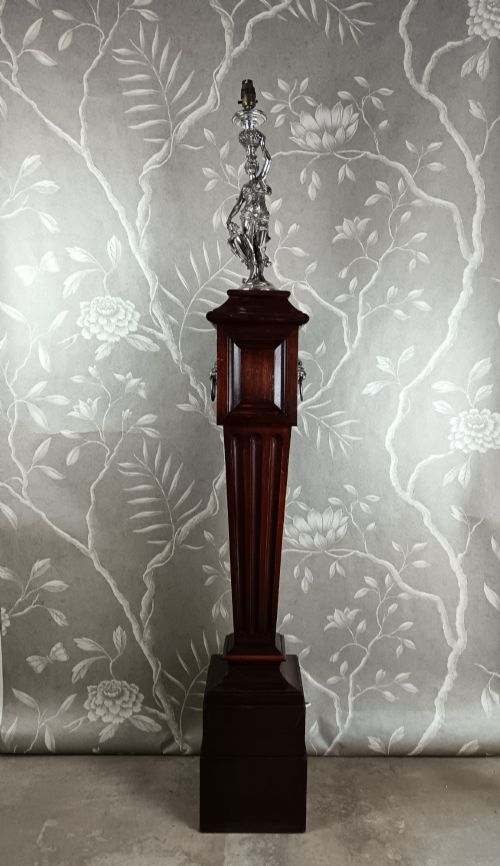
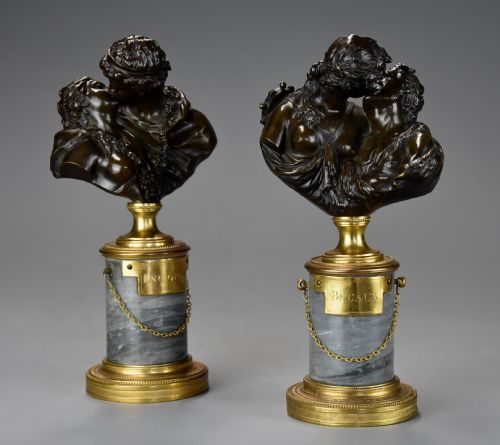
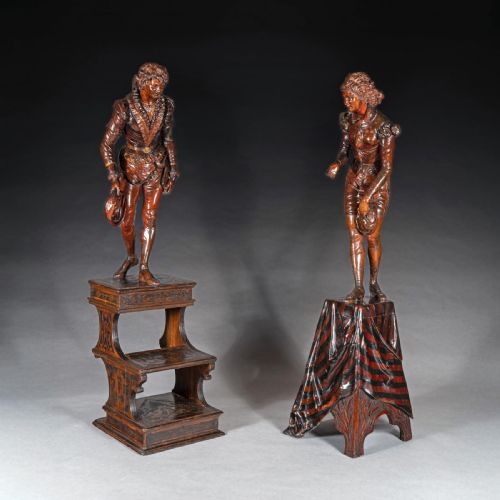
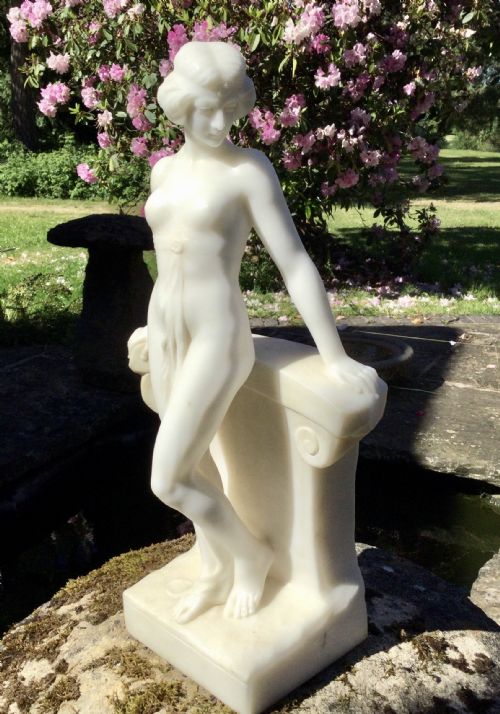
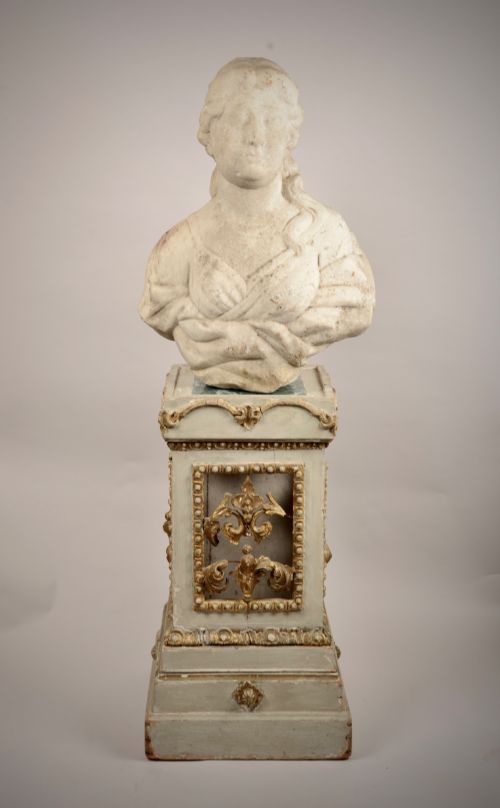
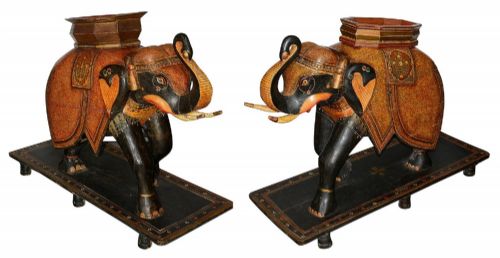
When you search for an antique statue on pedestal, you are looking at figural sculptures paired with supporting columns, torchieres, or plinths. The pieces range from grand bronze figures on marble bases to carved wood figures on display stands and garden statuary on plinths.
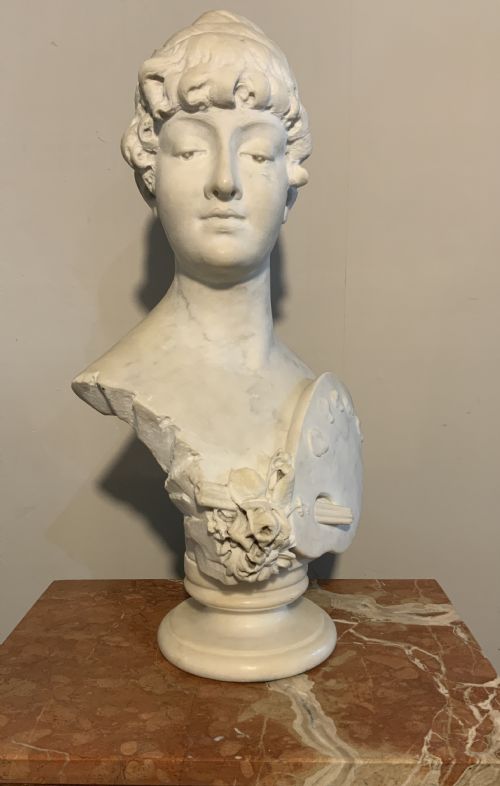
The selections on this page span several centuries, with nineteenth-century examples appearing frequently alongside items from the eighteenth and twentieth centuries. You will encounter marble busts, bronze studies, and painted wooden figures designed to elevate sculptural works.
Makers and foundries appear across these listings, alongside Grand Tour bronzes and Venetian figures with original gilt polychrome finishes. The forms encompass interior library busts and large garden statues paired with matching columns.
Materials and methods of construction
Sculptures and their supports utilise materials such as marble, bronze, cast iron, carved wood, and terracotta. Bronze figures are cast and often finished with cold-painted details or patination, while marble and stone examples are carved and polished.
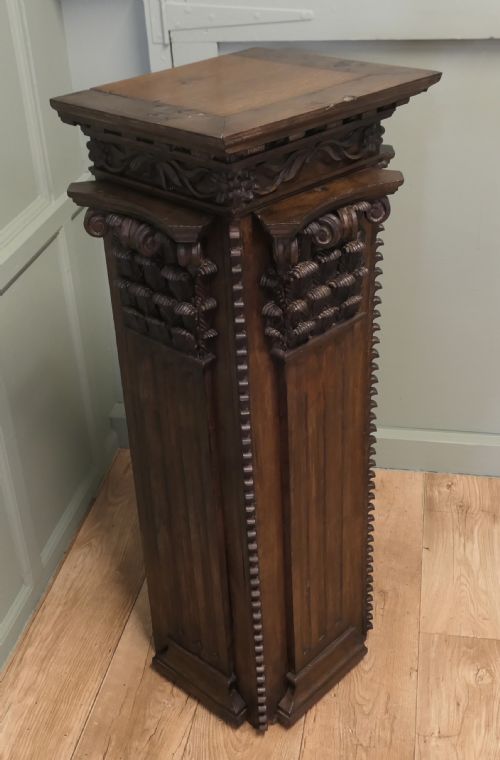
Columns and pedestals employ turned timber, faux marble, onyx, and cast stone to support the weight of the sculpture above. Ormolu collars, silver-plating, and polychrome paint provide decorative surface enhancement.
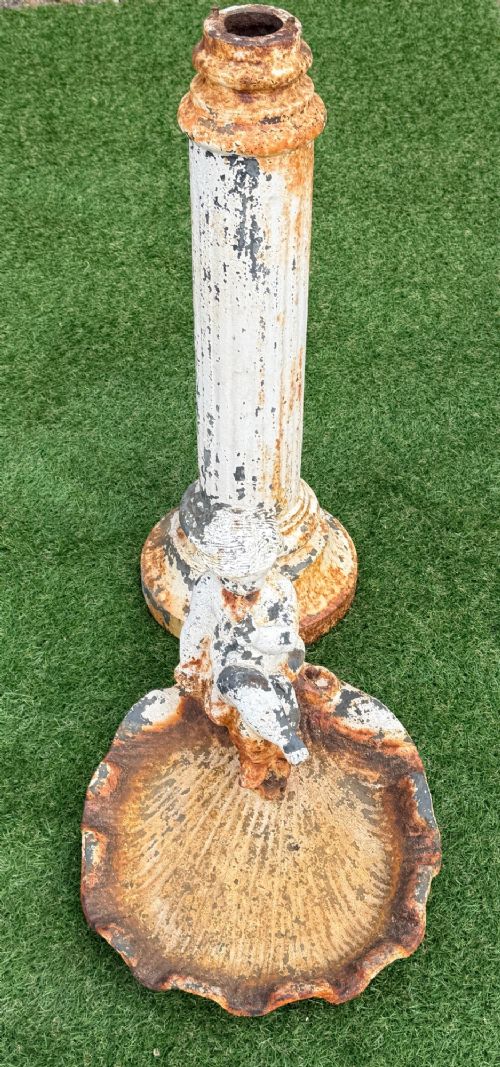
Materials range from Carrara marble and cold-painted bronze to carved oak, satinwood, and weathered cast stone.
Distinguishing quality in sculpture and pedestals
Quality rests in the precision of the carving, the crispness of the bronze cast, and the harmony between the statue and its pedestal. Finer pieces demonstrate careful attention to facial expression, drapery folds, and the integration of the base.
The choice of material dictates the character of the object, from fine Carrara marble and cold-painted bronze to weathered garden stone and carved wood. Superior examples retain original surface treatments such as gilding and polychrome paint without modern intervention.
Josef Lorenzl·Emile Guillemin·WMF·Jean Antoine Houdon·Valentino Besarel·John Wenlock Rollins·Sir Thomas Brock·F. De Luca
The Antique Statue on Pedestal Glossary
- Column
- A vertical structural element with a base, shaft, and capital, utilised here to elevate a bust or figure. It provides architectural structure to the display.
- Torchiere
- A tall stand or floor lamp designed to hold a light source or figural statue at height. These tall supports often feature elaborate cast bronze or silver-plated work.
- Polychrome
- Painted in several colours, frequently applied to carved wood or plaster figures. This surface decoration gives a lifelike appearance to historical sculptures.
- Grand Tour
- Souvenirs purchased by travellers on nineteenth-century European educational journeys, typically including small bronze classical figures and busts. These items replicate famous antiquities.
Antique Statue on Pedestal: Frequently Asked Questions
How do I display an antique statue on pedestal?
Position the column and sculpture in a corner or focal point of a room where it receives adequate light. Ensure the weight of the sculpture matches the stability of the supporting pedestal.
For garden pieces, place stones and plinths on level ground to prevent shifting during weather changes. Keep indoor wooden and marble columns away from direct heat sources to protect the finish.
What materials are common for these statues?
Sculptures commonly utilise bronze, marble, carved wood, and bisque porcelain. Bases and columns are constructed from onyx, satinwood, oak, cast iron, and stone.
Garden versions frequently employ reconstituted stone, cast stone, and well-weathered stone. Interior pieces often feature decorative additions like ormolu collars and silver-plating.
Are pedestal and statue sets original?
Many listings present matched pairs or matched column and statue combinations created during the nineteenth and early twentieth centuries. Some pieces feature integrated bases carved from the same block of marble as the bust.
Examine the mounting points and wear patterns to understand how the sculpture rests on the pedestal. Period descriptions indicate whether the base and figure share a unified origin.
How do I date an antique statue?
Dating relies on stylistic clues, foundry marks, artist signatures, and material analysis. Nineteenth-century pieces often reflect Neoclassical, Victorian, or French Empire tastes.
Examine the patina on bronze castings and the tooling marks on carved wood or marble. Signed works and dated inscriptions provide precise chronological reference points.