


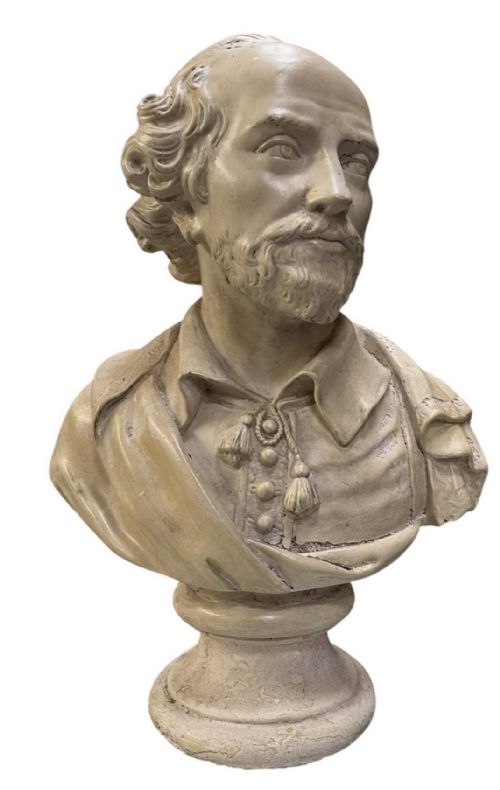


Victorian Stone Statue
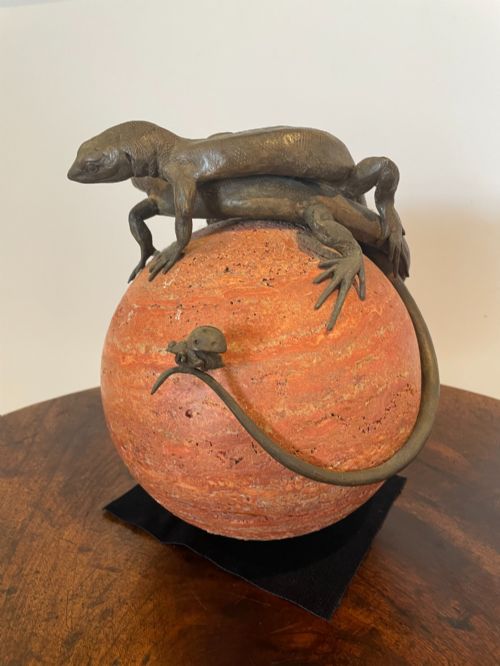
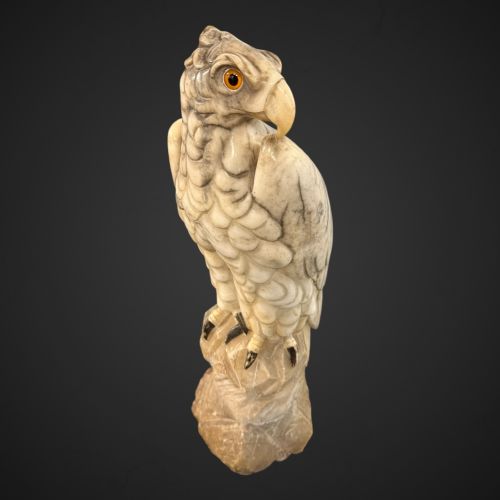
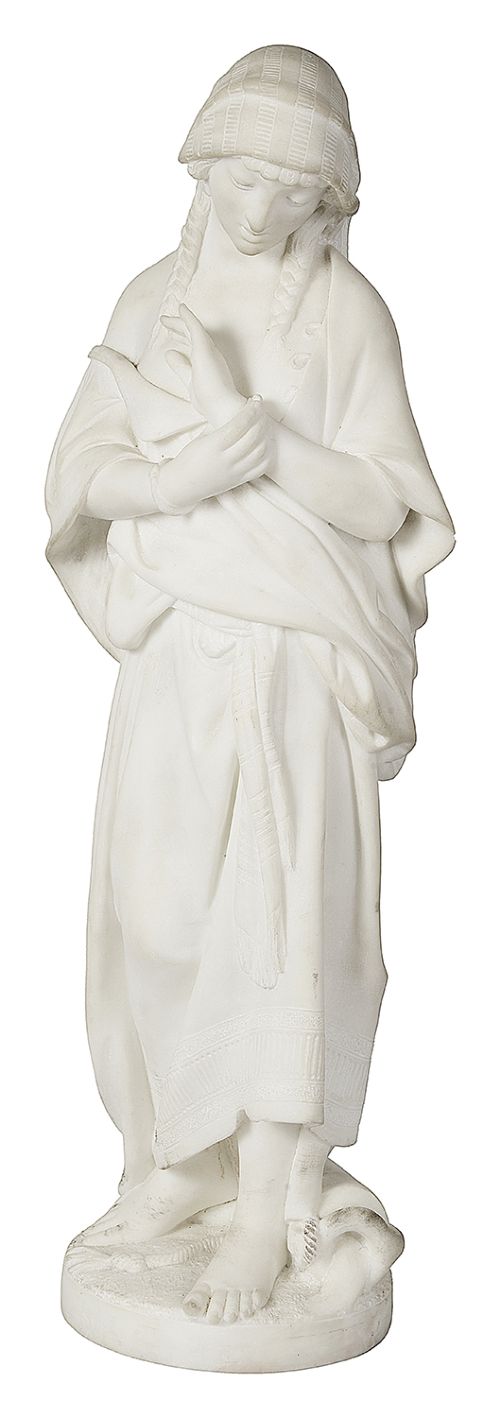
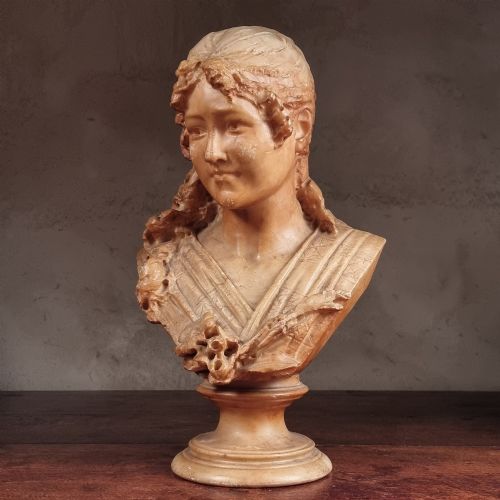
A victorian stone statue brings grand neoclassical presence into a room, spanning carved marble figures, terracotta animals and alabaster portrait busts.
Victorian Stone Statue
When browsing for a victorian stone statue, buyers encounter a diverse range of sculptural forms originating predominantly from the nineteenth century. These pieces encompass monumental civic portrait busts, classical garden figures, and decorative animalier subjects carved or cast in various mineral mediums.
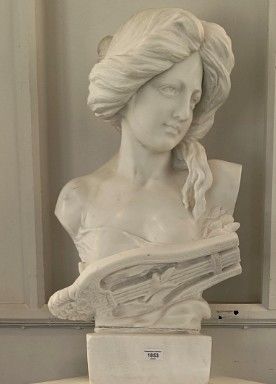
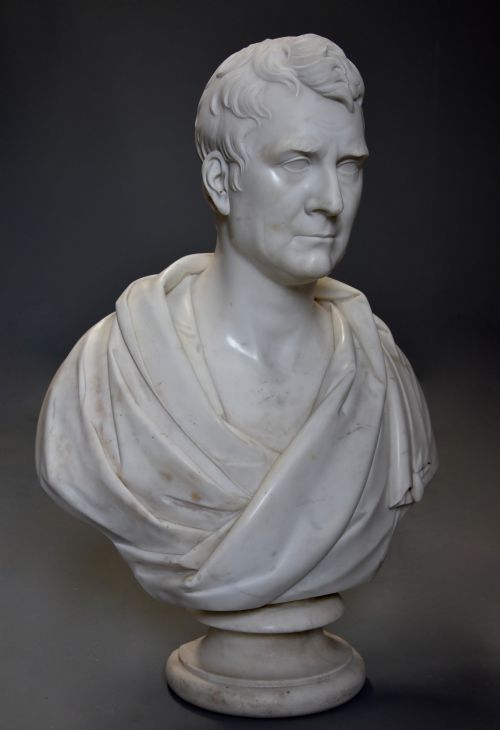
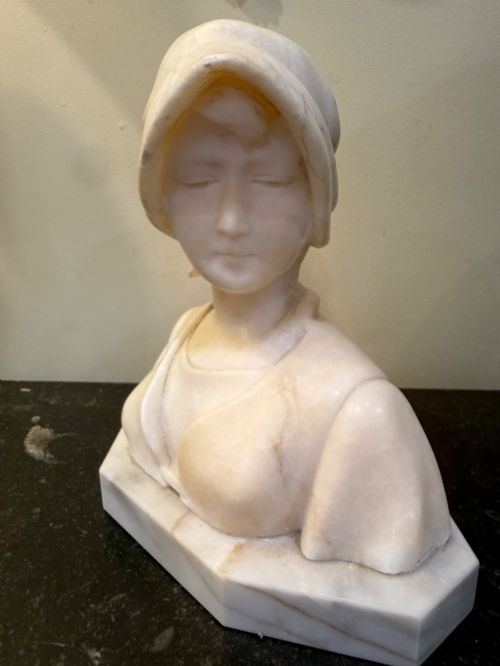
The selection on this page leans heavily toward carved white and Carrara marble portraits, alongside substantial terracotta garden lions and translucent alabaster studies. Works span specific decades such as the eighteen-fifties and eighteen-nineties, reflecting both classical revivalism and naturalistic portraiture.
Forms extend beyond standalone figures to include architectural elements like stoneware plinths, functional bookends, and torchieres. Collectors seek these objects to anchor domestic interiors or gardens with historical gravitas and tangible sculptural craftsmanship.
Materials and methods
Makers shaped these works primarily through direct carving of white marble, veined Carrara marble, and soft Derbyshire alabaster using chisels, rasps, and abrasive stone-powders for smoothing. Terracotta pieces and garden figures involved pressing clay into moulds before high-temperature kiln firing, frequently resulting in buff or red earthenware bodies.
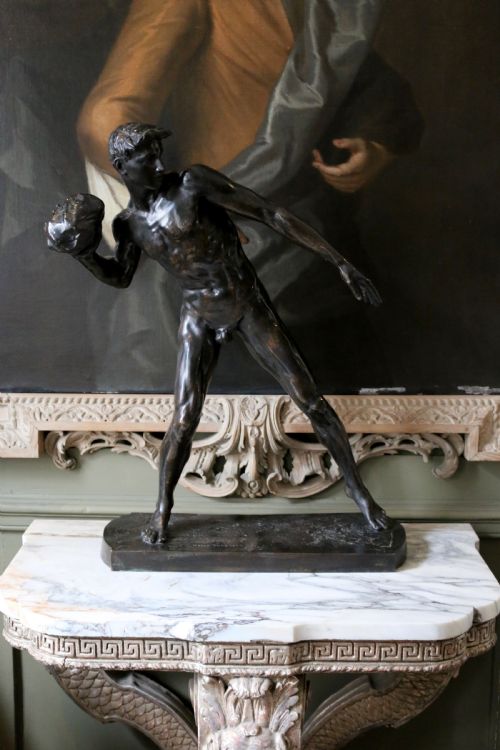
Surface finishing ranged from high polishes on neoclassical marble busts to matte, porous textures on salt-glazed pottery and terracotta lions. Artisans combined traditional hand-carving techniques with foundry casting for mixed media additions, securing bronze or metal elements where structural support or detail required.
Listings feature nineteen-century works spanning marble, alabaster, terracotta, and bronze across sculptural forms from garden statues to bookends.
Assessing sculptural quality
Quality rests upon the sensitivity of the hand-carving in the facial expressions, drapery folds, and musculature of the subject. Superior pieces display fluid undercut work and precise anatomical definition, whereas lesser examples rely on mechanical stamping or coarse finishing.
The choice of raw material dictates the underlying potential of the piece, with flawless veined Carrara marble or pure white alabaster commanding greater sculptural depth than coarse plaster or lower-grade stoneware. Signature placement by documented nineteenth-century sculptors elevates historical interest significantly.
Barranti Florence·Hamo Thornycroft·J Francis·Raffaelo Monti·Bright And Sons·Mieczyslaw Leon Zawiejski·John Wenlock Rollins·Eduardo Giolli·P Della Vedova
The Victorian Stone Statue Glossary
- Neoclassical
- A style rooted in classical antiquity, revivalist in nature and prevalent across nineteenth-century portrait busts. It emphasises restrained emotion, balanced proportions, and heroic subject matter drawn from mythology.
- Animalier
- A genre dedicated to the realistic portrayal of animals, particularly lions, dogs, and lizards. Practitioners captured beasts in naturalistic poses.
- Alabaster
- A fine-grained, translucent mineral frequently utilised for Victorian portrait busts and sculptural groups. Its softness permitted intricate undercutting before easy scratching.
- Carrara Marble
- High-grade white stone quarried in Tuscany, prized for its uniform crystalline structure. Sculptors favoured this material for detailed portraiture and classical maidens.
- Terracotta
- Baked clay modelled into garden statues, architectural ornaments, and large animal figures. Weather-resistant variants occupied nineteenth-century lawns and gateways.
Victorian Stone Statue: Frequently Asked Questions
Where were these statues placed originally?
Sculptures in marble and alabaster stood primarily within nineteenth-century libraries, halls, and drawing rooms as displays of civic pride or classical education.
Larger terracotta and stoneware figures occupied outdoor positions, guarding gateways, garden walls, and terraces against the elements.
How do I care for marble and alabaster?
Dust these stone surfaces regularly with a soft, dry cloth to prevent particulate accumulation within microscopic crevices.
Avoid chemical cleaning agents or excess water, particularly on alabaster which absorbs moisture readily and dissolves over time.
Are these pieces signed by artists?
Many nineteenth-century portrait busts and figurative sculptures carry carved signatures or foundry stamps near the base or rear edge. Documentation often connects these inscriptions to recorded European sculptors and workshops of the period.
Unsigned works remain common, attributed instead through stylistic analysis, material choice, and comparative study of period techniques.