




Antique Venus Statue
An antique venus statue brings classical mythology into a room through bronze reductions and marble carvings modelled on ancient masterpieces.
Antique Venus Statue
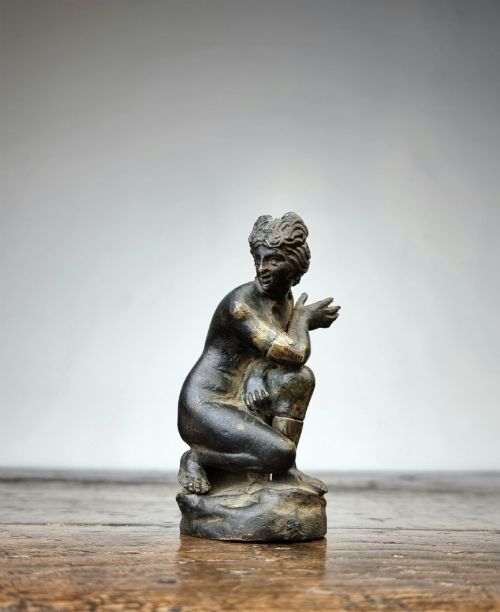
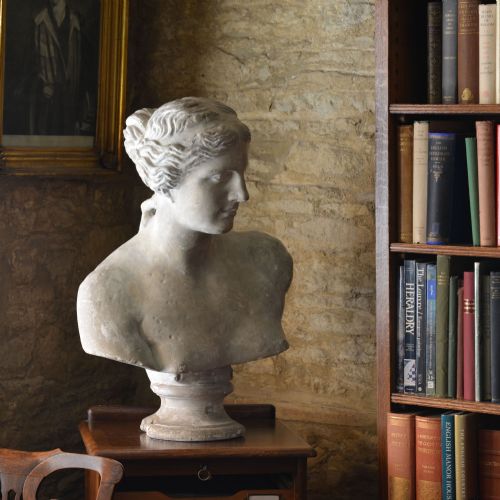
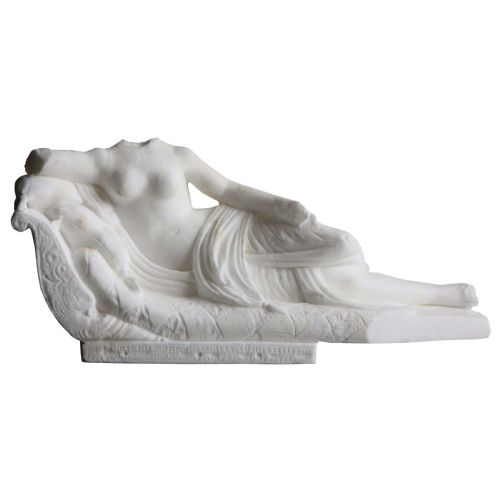
An antique venus statue represents classical ideals of beauty, most commonly drawing inspiration from the Venus de Milo, the Venus de Medici, or the crouching figure of antiquity. Buyers seek these sculptural works to anchor a study, library, or drawing room with historical weight and sculptural presence. The selection ranges from diminutive Grand Tour souvenirs purchased by travellers abroad to substantial bronze reductions cast in European foundries.
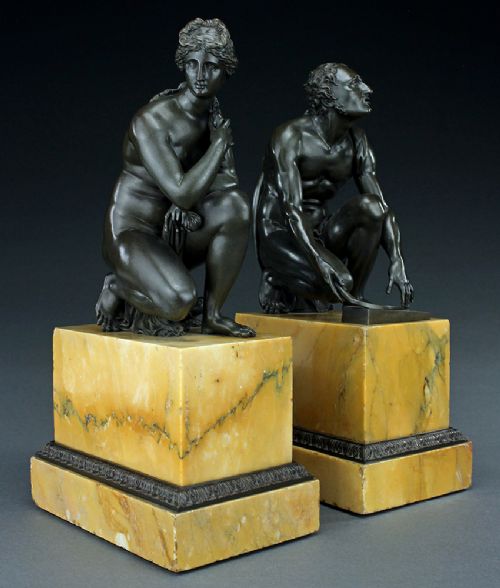
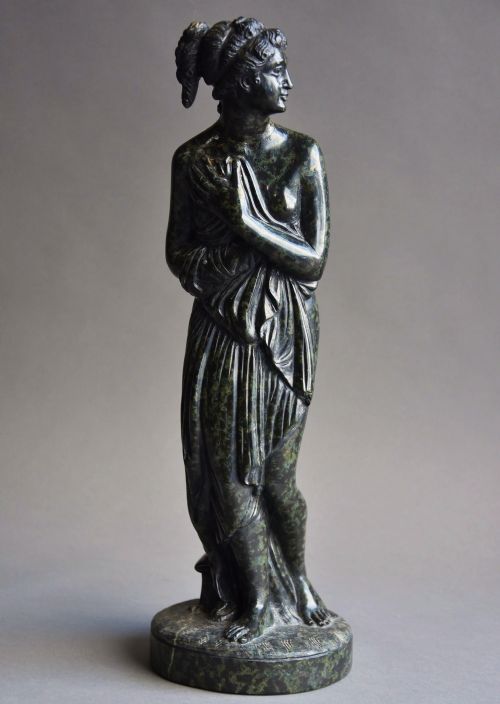
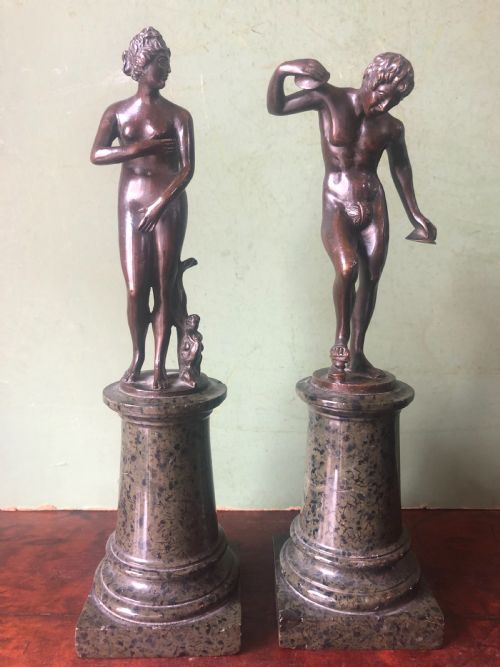
The nineteenth century dominates the available forms, capturing a widespread Victorian enthusiasm for copying classical sculpture. Pieces take the shape of full-length statuettes, busts, or pairs mounted upon marble plinths, reflecting both grand domestic display and scholarly interest. Works after Antonio Canova and classical prototypes appear frequently, bridging ancient Greek forms with nineteenth-century manufacturing methods.
Materials and casting methods
Foundries utilised bronze and brass for durable metal casts, applying patination to achieve deep brown or dark green surfaces that mimic aged metal. Marble and serpentine provided heavy, polished bases or principal carved figures, whilst terracotta and plaster offered alternative mediums for modelled busts and statuettes. Cast stone served for heavier garden or architectural figures.
Antique Venus Statue Retail Price Guide 2026
Typical asking prices for venus statue among the pieces listed under this phrase on Sellingantiques today, from the lower quarter to the upper quarter. They describe what is for sale here now, not the wider market.
Several figures hold miniature lamps, transforming the goddess of love into an unexpected nineteenth-century desk accessory.
Distinctions in craftsmanship
The precision of the chisel or the fidelity of the bronze chase defines the upper echelon of these sculptures. Superior pieces exhibit sharp definition in the hair, hands, and folds of drapery, whereas lesser examples present softened details from worn or multiple-generation moulds. The depth and richness of the bronze patination or the purity of the marble veining further separate a workshop masterpiece from a standard tourist souvenir.
The quality of the mount significantly influences the piece, particularly where figures are paired with Siena marble bases or multi-material assemblies. Heavier, tightly fitted bases and stable structural integrity show the hand of a dedicated maker rather than mass production. Proportion and balance relative to the original classical source material dictate whether a reduction succeeds aesthetically.
Ferdinand Barbedienne·Ferdinando de Luca
The Antique Venus Statue Glossary
- Grand Tour
- A traditional trip through Europe undertaken by upper-class scholars and travellers to study classical art and architecture. Souvenirs purchased during these journeys generated a vast market for small bronzes and marble carvings.
- Reduction
- A scale copy of a larger monumental sculpture produced mechanically or by skilled artisans. These smaller versions allowed collectors to display famous museum pieces within domestic interiors.
- Patination
- The chemical treatment or natural ageing applied to the surface of bronze to alter its colour and texture. A fine patina protects the metal whilst enhancing the visual depth of the sculpture.
- Neoclassical
- A Western cultural movement drawing inspiration from the art and culture of classical antiquity. This style heavily influenced nineteenth-century sculptors and foundries reproducing ancient forms.
Antique Venus Statue: Frequently Asked Questions
What is a Grand Tour Venus statue?
A Grand Tour Venus statue is a smaller souvenir version of a famous classical sculpture, purchased by travellers touring European cultural centres during the nineteenth century. These reductions allowed collectors to bring ancient sculptural forms into private homes.
Foundries in France and Italy produced these pieces in bronze and marble, often mounting them on decorative stone bases. They serve as tangible links to the history of travel and classical collecting.
How do I identify a Barbedienne bronze?
Bronzes produced by the Barbedienne foundry typically feature distinct foundry marks or signatures cast into the metal surface. They are known for exceptional sharpness in chasing and sophisticated patination.
These pieces represent the highest standard of nineteenth-century commercial bronze casting. The attention to anatomical detail and drapery sets them apart from unsigned souvenir pieces.
Where should I display a marble bust?
Marble busts require a stable surface capable of supporting considerable weight, such as a sturdy pedestal, console table, or heavy sideboard. Positioning them away from direct sunlight and fluctuating heat sources protects the stone.
Because these sculptures are three-dimensional works meant for observation from multiple angles, placing them with adequate surrounding space highlights the carved details of the drapery and hair.
What is the difference between bronze and terracotta figures?
Bronze figures offer metallic durability and permit intricate surface patination, making them suitable for handling and detailed casting. Terracotta pieces consist of fired clay, presenting a porous, earthy texture and a matte finish.
Whilst bronze sculptures rely on foundry casting and metal chasing, terracotta sculptures often display more direct modelling by the hand of the artist. Both materials record nineteenth-century interpretations of classical antiquity.